2026 Best Electrochromic Glass Features Benefits and Uses?
Electrochromic Glass is revolutionizing how we think about windows and natural light. Industry expert Dr. Jane Morgan explains, "This technology allows us to control light and energy in innovative ways." The growing interest in Electrochromic Glass highlights its incredible features and potential benefits.
In recent years, the demand for smart materials has surged. Electrochromic Glass stands out for its energy efficiency and aesthetic appeal. It can change color or transparency when an electrical voltage is applied. This property allows buildings to optimize daylight and reduce heat gain. However, the technology is still evolving. Challenges remain in cost and durability.
As we look towards 2026, it's essential to explore the full range of uses for Electrochromic Glass. Applications are already seen in commercial buildings, cars, and even residential homes. But can it be widely adapted? The potential for innovation is vast, yet we must recognize the hurdles. Balancing functionality and expense remains a significant concern. The future of Electrochromic Glass is bright but requires careful reflection.
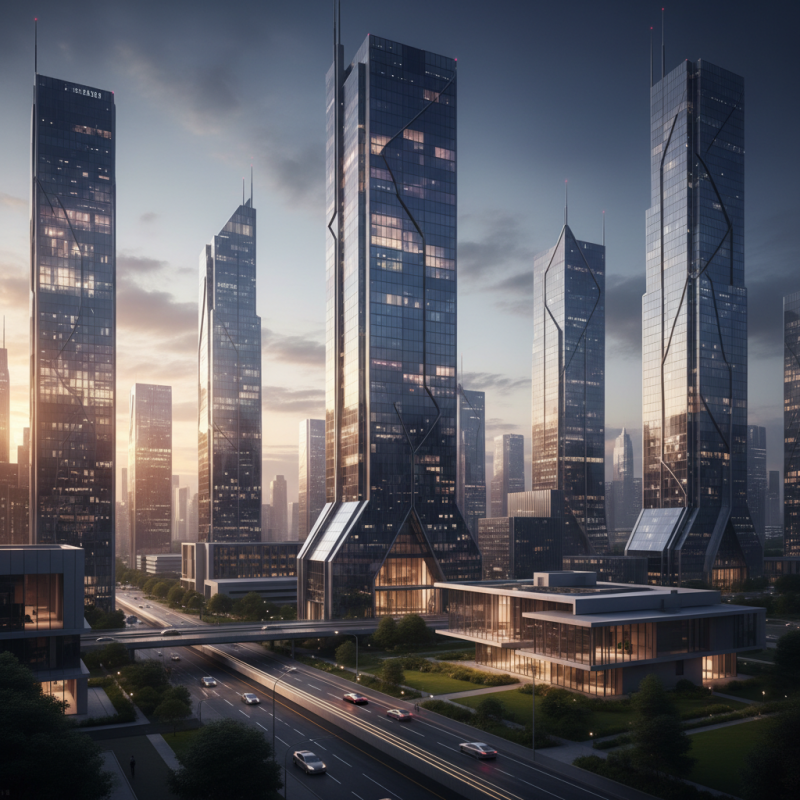
2026 Overview of Electrochromic Glass Technology and Innovations
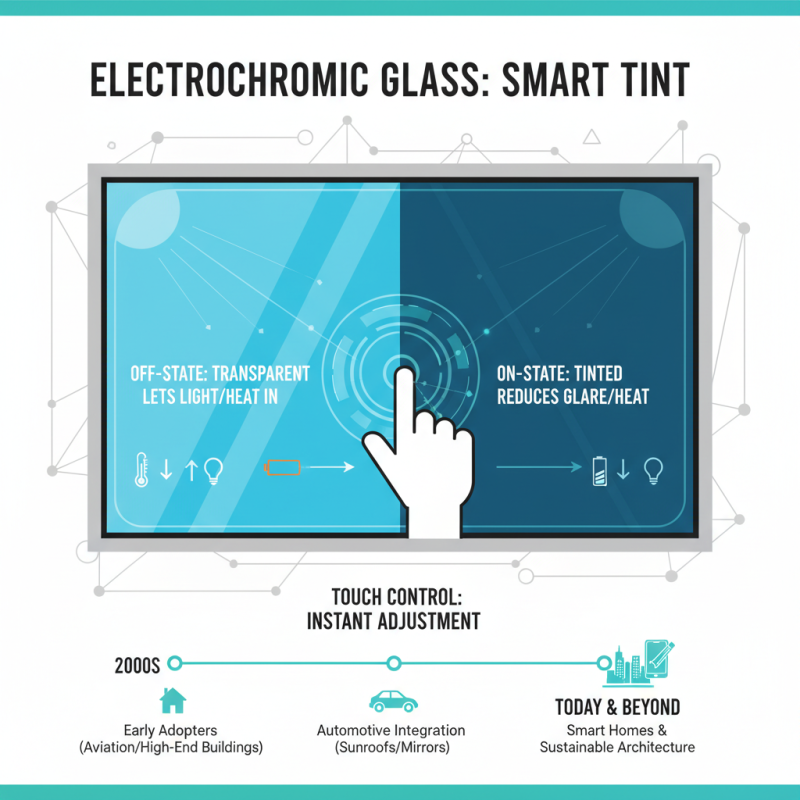
Electrochromic glass technology is evolving rapidly. This innovation allows glass to change its tint when an electrical voltage is applied. It can reduce glare and unwanted heat. Imagine sitting in a room where you can adjust the light level with a simple touch. This interaction feels futuristic yet practical.
In 2026, we see more applications for electrochromic glass. It's becoming popular in architecture, cars, and smart homes. For example, buildings utilize it for energy efficiency. This reduces air conditioning costs. However, not all installations are seamless. Sometimes the technology can malfunction or not respond as predicted. These issues remind us that innovation requires constant refinement and testing.
Furthermore, the aesthetic appeal of electrochromic glass cannot be ignored. It offers a sleek, modern look while providing functionality. This dual purpose is appealing, yet it can feel overwhelming. The balance between form and function is delicate. As we explore these technologies, we need to remain aware of their limitations and potential drawbacks.
Key Features of Electrochromic Glass: Functionality and Performance Metrics
Electrochromic glass is revolutionizing the way we interact with our environments. This technology allows glass to change color or opacity when an electrical current is applied. The functionality is both impressive and practical. It can provide privacy on demand or reduce glare from the sun. Some versions even adjust automatically based on light conditions.
Performance metrics of electrochromic glass show its potential in energy savings. By controlling heat and light transfer, buildings can reduce their reliance on heating and cooling systems. This glass also improves comfort levels indoors. However, the initial costs can be high, and long-term durability remains a concern. Some users report inconsistent performance over time.
In terms of features, electrochromic glass offers versatility. It can be used in windows, skylights, and even vehicle glass. This adaptability means it can serve both residential and commercial applications. There are still challenges to tackle, such as the complexity of installation. More education is needed for builders and consumers alike. While the promise is strong, ongoing improvements are crucial to address effectiveness and affordability.
Benefits of Electrochromic Glass in Energy Efficiency and Comfort Enhancement
Electrochromic glass is changing how we think about
energy efficiency and comfort in our spaces. This innovative glass can adjust its tint based on sunlight. When exposed to
direct sunlight, it darkens, reducing glare and heat. This not only makes indoor environments more comfortable but also
cuts down on air conditioning use.
Consider a sunroom filled with electrochromic glass. During bright days, it can shift to a darker hue, keeping
the room cool and pleasant. This can lead to lower energy bills. It’s impressive how this
technology helps manage light and temperature. However, the initial cost can be a barrier for some. Not everyone sees the
long-term savings.
Another fascinating aspect is how it affects mood and productivity. Bright, uncontrolled sunlight can be distracting. With
electrochromic glass, people might feel more at ease. Still, not all users fully appreciate
its potential. Adjusting to this technology may take time. Is it perfect? No,
but its benefits are worth considering.
Applications of Electrochromic Glass in Commercial and Residential Settings
Electrochromic glass is gaining popularity in modern design. It seamlessly changes tint when a small voltage is applied. This feature makes it ideal for both commercial and residential settings. In offices, it can control glare and heat from sunlight, creating a comfortable work environment. In homes, it enhances privacy without sacrificing natural light.
When considering installation, think about placement. Electrochromic glass is effective for large windows or glass doors. In residential settings, it can be used in living rooms or bathrooms. Ensure the wiring is discreet to maintain aesthetic appeal.
Tips: Regular maintenance is key. Dust and dirt can affect the glass’s performance. Keep it clean and check for any signs of malfunction. Also, think about energy savings. While the initial cost might seem high, reduced energy bills can offset this over time.
Always evaluate your needs before installing. Not every space requires this technology. It’s essential to consider both functionality and style.
Market Trends and Future Projections for Electrochromic Glass Industry by 2026
Electrochromic glass is gaining traction in various sectors. This innovative material can change its opacity when electrical current flows through it. As we look towards 2026, the market for electrochromic glass is set to expand significantly. Designers and architects are increasingly incorporating it into buildings for aesthetic and functional purposes. It enhances energy efficiency, which is crucial amid rising energy costs.
However, challenges remain. The technology is still developing, and production costs can be high. Some consumers might hesitate to invest in electrochromic glass due to these costs. Furthermore, the longevity and reliability of the technology are areas that require careful evaluation. Potential buyers need clear information on performance and maintenance.
Looking ahead, the future of electrochromic glass appears bright. Urbanization and green construction trends could drive demand. Smart buildings, featuring integrated systems, will likely become the norm. Overall, the electrochromic glass industry must address current shortcomings while embracing innovation. Only time will reveal the sustainability and efficacy of this promising technology.
2026 Best Electrochromic Glass Features Benefits and Uses
| Feature |
Benefits |
Applications |
Market Trends |
Future Projections |
| Smart Light Control |
Energy Savings, Enhanced Comfort |
Residential, Commercial Buildings |
Growing Demand for Energy-Efficient Solutions |
Market Expected to Grow by 15% CAGR |
| Privacy Control |
Increased Privacy, Aesthetic Appeal |
Office Partitions, Conference Rooms |
Rising Adoption in Smart Offices |
Revenue Growth Anticipated to Reach $1 Billion |
| Dynamic Color Change |
Personalization, Visual Control |
Architectural Designs, Facades |
Innovative Designs Gaining Popularity |
Expected to Capture 20% of Market Share |
| Thermal Comfort |
Reduced Heating and Cooling Costs |
Public Transport, Automotive |
Increasing Use in Vehicles |
Adoption in Automotive Industry Expected to Increase |
| Durability |
Long Lifespan, Low Maintenance |
Skylights, Storefronts |
Advancements in Material Technology |
Projected Steady Demand Growth |


 Phone
Phone Send Email
 whatsapp
 Facebook