What are the Benefits of Using Colored Glass in Design?
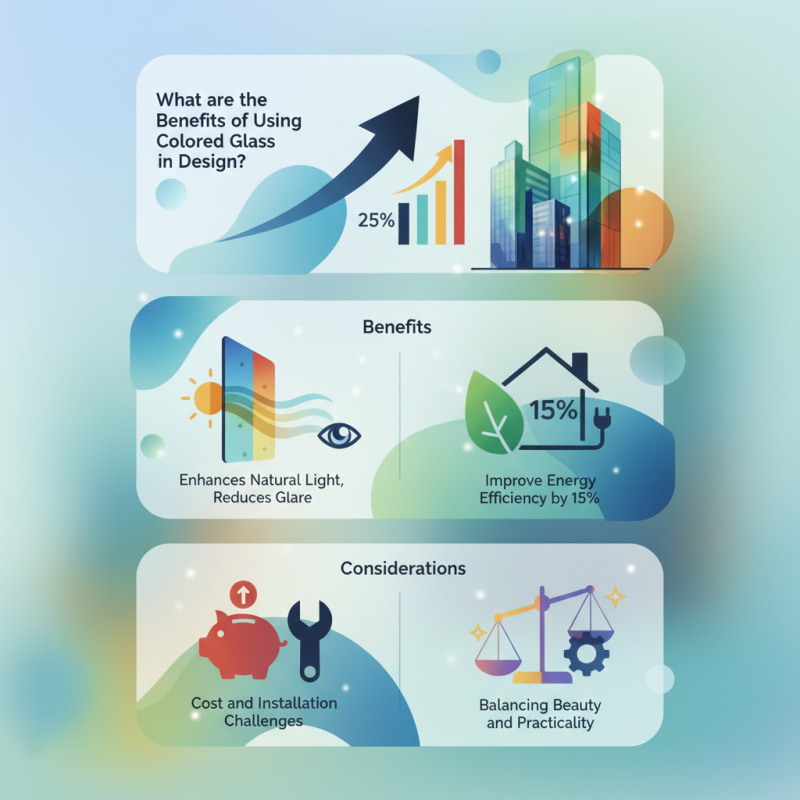
Colored glass has become a popular choice in modern design. Its unique aesthetic offers vibrant colors and intricate patterns. According to a report by Smith & Co. Design, the use of colored glass in architecture has grown by 25% over the past five years. This growth indicates a shift towards more creative and expressive design choices.
The benefits of colored glass extend beyond mere visuals. It enhances natural light while reducing glare, creating comfortable spaces. Data shows that buildings using colored glass can improve energy efficiency by up to 15%. This dual functionality appeals to both designers and energy-conscious clients. However, it's essential to acknowledge that while colored glass is visually stunning, it may require specialized maintenance and careful consideration in design integration.
Designers should not overlook potential drawbacks, such as cost and installation challenges. While colored glass can elevate any space, its price can be a barrier for some projects. Balancing beauty and practicality is critical. Evaluating the long-term benefits versus immediate costs ensures a well-rounded approach to using colored glass in design.
Benefits of Colored Glass in Interior Design
Colored glass can significantly enhance interior design. It adds a unique charm that plain glass cannot provide. Various hues create different moods. For example, blue glass evokes calmness. Red glass can stimulate energy. Using colors strategically helps each space feel distinct.
Incorporating colored glass can be challenging. Light penetration may alter with different colors. Sometimes, it can cast unexpected shadows. Thoughtful placement is vital to avoid harsh effects. Yet, when done right, it brings vibrancy. Colored glass partitions can define areas without closing them off. This makes spaces feel larger and more fluid.
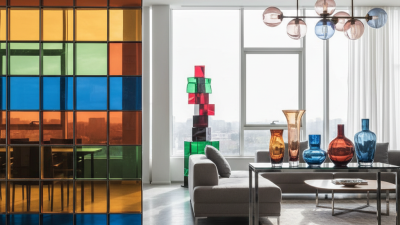
The versatility of colored glass is remarkable. It can be used in windows, doors, or decorative accents. Each piece tells a story. Some might miss the opportunity to use it creatively. Others may find it overwhelming or too bold. Yet, the beauty lies in experimentation. Finding the right balance enhances aesthetics without overwhelming the senses.
Enhancing Aesthetic Appeal with Colored Glass
Colored glass can transform spaces dramatically. The vibrant hues bring warmth and life to otherwise ordinary environments. Imagine a sunlit room with deep blue and green glass panes. The colors dance as light filters through, creating a serene atmosphere.
Incorporating colored glass into design can be challenging. Color perception changes depending on surroundings. What looks stunning in isolation may clash within a busy palette. Architects and designers often experiment and refine their choices. A bold choice can evoke emotions, but harmony is crucial. Finding that balance requires vision and intuition.
When well-executed, colored glass makes a statement. It draws the eye and stirs curiosity. Whether in windows, partitions, or decorative pieces, it invites exploration. The beauty is undeniable, yet it demands careful thought. Each color tells a story, adding depth to a space that standard glass simply cannot.
Color Psychology and Emotional Impact of Colored Glass
Colored glass has a unique way of influencing our emotions and perceptions. The vibrant hues can evoke a range of feelings. For instance, blue often creates a sense of calm, while red tends to stimulate energy. These emotional responses can significantly impact the atmosphere of a space.
In design, incorporating colored glass allows for a playful manipulation of light and mood. A soft green can foster relaxation, perfect for a spa or a lounge. Meanwhile, orange can enhance creativity, making it apt for workspaces. However, the choice of color is deeply personal. What calms one person may overwhelm another. This subjectivity invites reflection on how colors impact our daily lives.
Rather than relying on trends, it’s crucial to consider the emotional weight of colors in design choices. The potential for conflict arises when personal preference doesn’t align with intended use. A bright yellow might inspire joy, but it may also create anxiety in certain contexts. It's a complex dance of aesthetics and psychology, requiring thoughtful consideration.
Sustainability Aspects of Using Colored Glass
Using colored glass in design offers fascinating sustainability aspects. This material is often made from recycled materials, such as glass bottles and containers. By incorporating recycled glass, designers reduce waste and lower energy consumption. The vibrant hues provide aesthetic appeal while contributing to eco-friendly practices.
However, the journey towards sustainability isn't without challenges. Sourcing colored glass can be difficult. Not all colors are equally available in recycled formats. This may lead designers to rely on new glass, negating some of the environmental benefits. Careful consideration is needed.
Moreover, the production process of colored glass can consume significant energy. Transporting these materials also has an environmental footprint. Designers must think critically about local sourcing to minimize this impact. Overall, while colored glass can enhance sustainability, it’s essential to address these complexities.
Versatility of Colored Glass in Various Design Styles
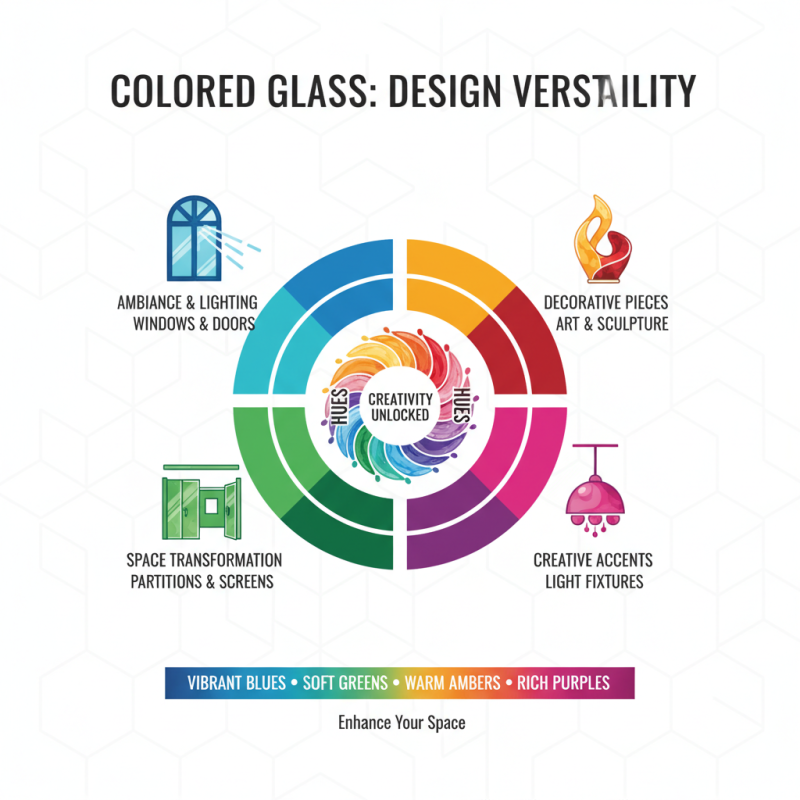
Colored glass offers immense versatility in design styles, enhancing spaces in unique ways. It can transform the ambiance of any room. From vibrant blues to soft greens, these hues invite creativity. You can incorporate colored glass in windows, doors, and decorative pieces.
In contemporary settings, colored glass can be minimal yet striking. Simple glass panels can serve as room dividers, adding both color and function. However, mixing too many shades can overwhelm a space. Consider balance; choose dominant tones and complementary accents. In rustic or vintage designs, colored glass can provide a nostalgic touch. Antique bottles and stained-glass elements evoke warmth and character.
The key lies in finding that perfect expression. It can be challenging. Sometimes, a subtle piece might speak louder than grand installations. Reflect on the emotions you wish to evoke. Colored glass can highlight architectural features or blend into the background. Pay attention to light. It changes everything, revealing new shades and textures throughout the day.


 Phone
Phone Send Email
 whatsapp
 Facebook