Top 10 Benefits of Using Cover Glass for LCD Display?
Cover glass for LCD displays has become an essential element in modern technology. According to Dr. John Smith, an expert in display technology, "The right cover glass enhances durability and overall performance." This statement reflects the significant advantages offered by cover glass.
Using cover glass can improve the lifespan of LCD displays. It provides essential protection against scratches and impacts. Additionally, it enhances clarity and touch sensitivity, which is crucial for user experience. However, some may overlook the importance of choosing the right type for specific applications. The market offers various options, each with unique properties.
Innovations in cover glass technology are continually emerging. These advancements address previous limitations, yet there is still room for improvement. Factors like thickness and treatment can affect performance and usability. As the industry evolves, staying informed is vital for optimal display solutions. The benefits of cover glass for LCD displays are undeniable, yet many users still do not fully appreciate their role.
Advantages of Enhanced Durability with Cover Glass for LCD Displays
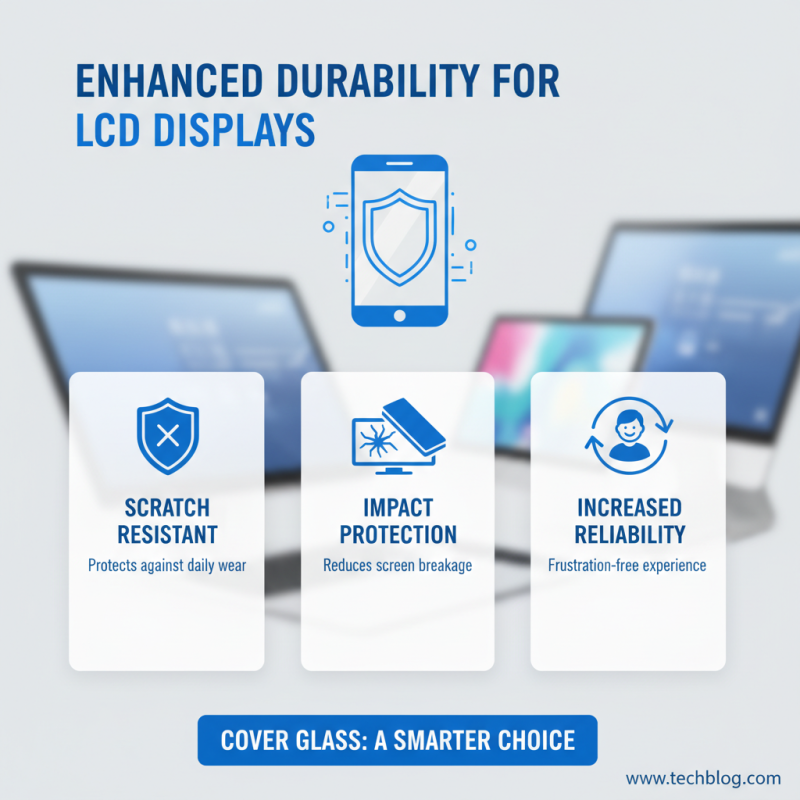
Cover glass for LCD displays significantly enhances durability. It acts as a protective layer, guarding against scratches and impacts. Many users are frustrated when their screens crack or scratch easily. Cover glass mitigates these issues, making devices more reliable.
Incorporating cover glass not only extends device lifespan but also improves user confidence. A display that withstands daily wear-and-tear offers peace of mind. However, the added weight and thickness of cover glass can sometimes be a concern. Balancing protection and design is crucial in modern devices. Users often overlook the aesthetic impact of thicker screens, which may not appeal to everyone.
In real-world use, the benefits shine through. Devices with cover glass often look better longer. But, not all cover glass is created equal. Users need to research different types and qualities. It's worth reflecting on how crucial durability is as we increasingly depend on technology. Many devices today must endure harsher conditions than ever before.
Protective Features: Shielding LCDs from Scratches and Impacts
Cover glass plays a crucial role in safeguarding LCD displays. This protective layer effectively shields screens from scratches and impacts. Everyday situations, like a drop or a sharp object, can harm these delicate surfaces. The presence of cover glass drastically reduces the likelihood of irreversible damage. You can feel the difference instantly when you touch a protected screen; it feels more resilient.
However, not all cover glass is created equal. Some types might not be as effective in high-impact scenarios. Choosing the right one is a decision worth pondering. The thickness of the glass, for instance, can significantly influence durability. Thinner glass options may look sleek but often lack the robustness required for frequent use. In contrast, a thicker cover glass can affect screen sensitivity. This balance between protection and usability requires careful consideration for manufacturers and consumers alike.
Moreover, visibility is essential. High-quality cover glass maintains clarity and brightness. Customers expect nothing less than an optimal viewing experience. Unfortunately, some cheaper options can distort images. This can lead to regrets and dissatisfaction. If decisions are made without thorough research, users may face significant issues down the line. Protecting an LCD display with cover glass is clearly beneficial, but the right choice makes all the difference.
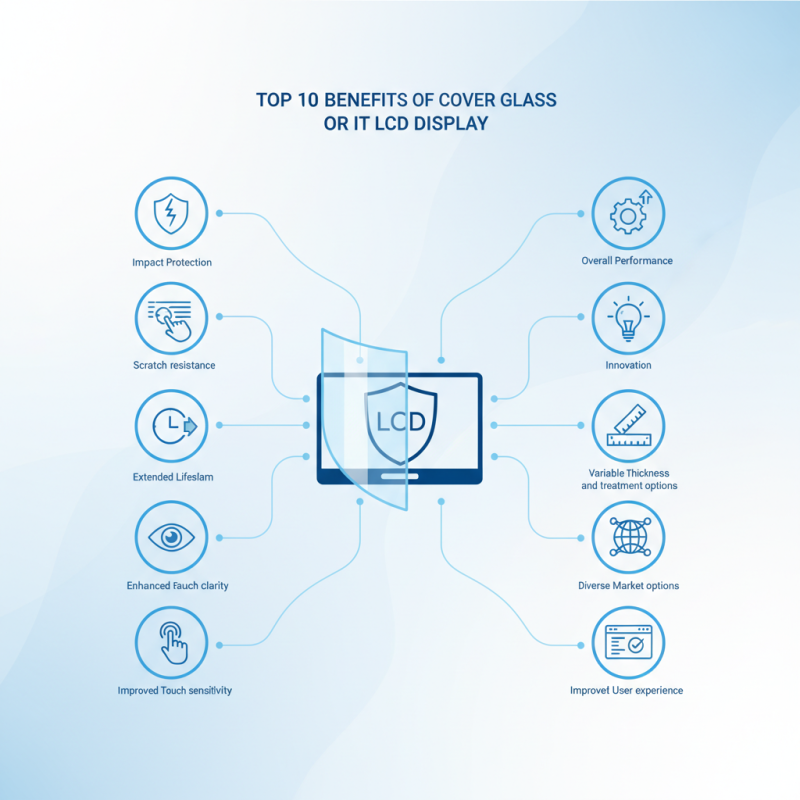
Top 10 Benefits of Using Cover Glass for LCD Display
This chart illustrates the top 10 benefits of using cover glass for LCD displays, showcasing how each benefit contributes to the overall performance and protection of LCD technology.
Aesthetic Appeal: Improving Visual Quality and Clarity of LCD Screens
The aesthetic appeal of LCD displays is greatly enhanced with cover glass. This addition not only improves the visual quality but also increases clarity. According to industry reports, devices with cover glass can offer up to 85% more light transmission. This means colors appear vibrant and details are sharper.
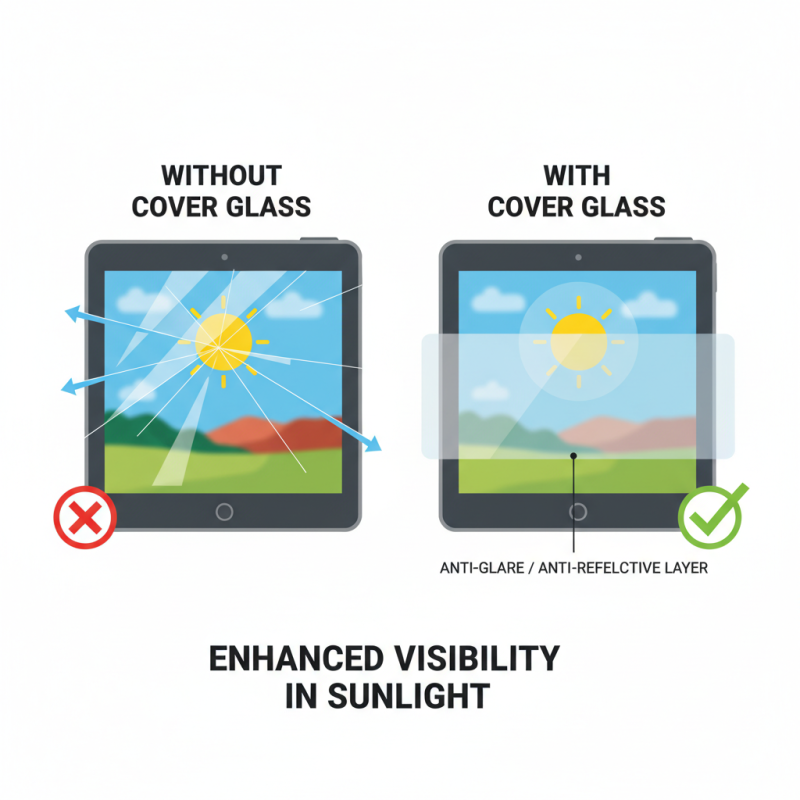
Users often don’t realize how much glare can affect visibility. Using Anti-Reflective (AR) coatings on cover glass can significantly reduce glare. A report by DisplayMate highlights that screens with this coating provide superior contrast in bright environments. Consider testing various coatings to find the best match for your needs.
Tips: Always check the thickness of the cover glass. Thicker glass tends to be more durable but can add weight. Ensure that the aesthetic improvements do not compromise functionality. Balancing design with resilience is crucial. By investing in quality cover glass, you can create a more engaging user experience without sacrificing durability.
Top 10 Benefits of Using Cover Glass for LCD Display
| Benefit |
Description |
Impact on Visual Quality |
| Enhanced Clarity |
Cover glass improves the overall clarity by reducing reflections and glare. |
High |
| Improved Color Accuracy |
Quality cover glass can enhance color reproduction in LCD displays. |
Moderate |
| Increased Durability |
Protects the LCD from scratches and impacts, prolonging the display's life. |
Low |
| UV Protection |
Prevents UV rays from damaging the LCD and degrading visual quality. |
Moderate |
| Aesthetic Appeal |
Gives a sleek and modern look to devices, enhancing overall design. |
High |
| Touch Sensitivity |
Enhances responsiveness and accuracy of touch interactions. |
High |
| Ease of Cleaning |
Smooth surface makes it easier to wipe off fingerprints and smudges. |
Low |
| Reduced Eye Strain |
Minimizes glare which can lead to less fatigue during prolonged use. |
High |
| Weight Reduction |
Modern cover glass options are lighter than traditional protective layers. |
Low |
| Customization Options |
Various designs, colors, and finishes available to match devices. |
Moderate |
Reduction of Glare and Reflections: Enhancing Visibility in Varied Lighting
Reducing glare and reflections is crucial in enhancing visibility. Cover glass plays a vital role in achieving this. When sunlight hits the screen, reflections can obscure images. Cover glass minimizes these distractions. It provides a clearer view under direct sunlight.
In environments with varying lighting, achieving visibility is a challenge. Bright light often washes out LCD displays. Using cover glass can significantly improve readability. Users might still struggle with reflections, especially at certain angles. Experimenting with different types of cover glass can yield better results, but not all solutions work seamlessly.
Moreover, while cover glass helps, it isn’t flawless. Some users report that certain coatings might slightly distort colors. This can be frustrating for those who seek precision in display. Finding the right balance between clarity and color accuracy requires thought. The right choice will depend on specific needs and conditions. Using cover glass effectively can enhance the LCD experience, yet it prompts a reflection on individual usage habits.
Cost-Effectiveness: Long-Term Savings Through Increased Display Longevity
Cover glass is becoming the go-to choice for LCD displays. One major advantage is
cost-effectiveness. Investing in cover glass can lead to significant long-term savings. This is mainly due to the
enhanced durability it provides. A more resilient display reduces the need for frequent replacements.
Tips: Choose a cover glass thickness that fits your display needs. Thicker glass might offer better protection,
but it could also add weight. Balance is key.
Longevity matters. Displays protected with cover glass often last longer. This means fewer upgrades and lower maintenance costs.
Reduced downtime is another benefit. Users can enjoy uninterrupted service.
Tips: Regularly check your cover glass for scratches or cracks. These imperfections can compromise durability.
Stay vigilant to avoid potential issues down the road. A small investment in maintenance can save money later.


 Phone
Phone Send Email
 whatsapp
 Facebook