Best Cover Glass For Industrial PC Solutions Worldwide?
In the industrial sector, the demand for durable and effective cover glass for industrial PC solutions has significantly increased. According to a recent report by MarketsandMarkets, the market for cover glass is expected to grow at a CAGR of 6.2% from 2021 to 2026. This growth reflects the rising need for robust hardware capable of enduring harsh environments.
Renowned expert Dr. Emily Chen, a leading figure in the field, asserts, "The selection of cover glass for industrial PC applications can profoundly influence performance and longevity." This underscores the critical role that material choice plays in system design and effectiveness. The use of specialized cover glass can enhance resistance against scratches, impacts, and temperature variations, making it essential to prioritize quality.
Yet, challenges remain in balancing cost and durability. Many manufacturers offer various options, but selecting the most effective cover glass for industrial PC can be daunting. It's a space where more awareness and education are needed. As companies strive to optimize their operations, understanding the nuances of cover glass for industrial PCs could prove pivotal in achieving reliability and functionality.
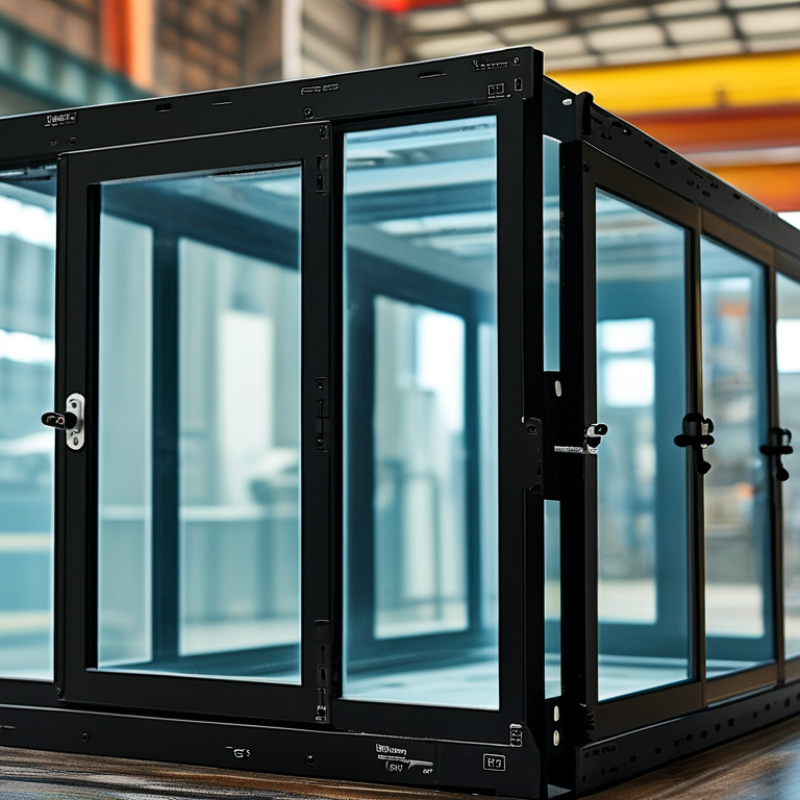
Overview of Industrial PC Applications and Requirements
Industrial PCs are vital in various sectors, from manufacturing to logistics. These devices often face harsh environments. As a result, a protective cover glass is essential. The cover glass must resist impact, temperature changes, and corrosion. According to a report by MarketsandMarkets, the global industrial PC market is estimated to reach $6.7 billion by 2024, highlighting the growing need for durable components.
In many applications, like automation or remote monitoring, the display of industrial PCs needs clarity and durability. A typical requirement is a surface hardness of at least 7H, providing protection against scratches. Options like chemically strengthened glass contribute to this requirement. An often overlooked aspect is the weight of the glass; while thicker glass might be stronger, it can also make the PC heavier and more cumbersome.
Adjusting to industry standards is another challenge. The degree of protection, like IP ratings for dust and water resistance, must align with the intended environment. As the demand for rugged and reliable solutions increases, manufacturers must prioritize not just the functionality but also the usability of these PCs. This delicate balance requires constant innovation and refinement.
Types of Cover Glass Materials Used in Industrial PCs
Cover glass is crucial for industrial PC solutions, providing protection and enhancing functionality. There are various materials used in the construction of cover glass, each with distinct benefits. For instance, tempered glass is commonly utilized due to its strength and scratch resistance. Reports indicate that tempered glass can withstand heavy impacts, reducing the risk of breakage in demanding environments.
Another significant option is polycarbonate. This material is known for its lightweight and shatter-resistant properties. It offers excellent clarity while remaining durable in various temperatures. According to industry studies, polycarbonate cover glasses can reduce weight by up to 50% compared to glass alternatives. However, they may be more susceptible to scratching, presenting a need for protective coatings.
A growing trend involves the use of anti-reflective coatings. These coatings enhance visibility and reduce glare, which is vital for operators working under bright lights. Data reveals that anti-reflective coatings can improve light transmission by over 90%. Despite these advantages, manufacturers must carefully balance cost and performance when choosing the right material. The landscape is constantly evolving, leading to considerations regarding performance trade-offs and long-term durability.
Key Features of Cover Glass for Durability and Reliability
When selecting cover glass for industrial PCs, durability and reliability are paramount. Industrial settings often expose equipment to harsh conditions. This includes extreme temperatures, dust, and vibrations. A robust cover glass can make a significant difference. It should withstand these challenges while maintaining clarity and touch sensitivity.
Key features to consider include hardness and scratch resistance. High-quality cover glass typically has a high Mohs hardness rating. This ensures it remains undamaged even in rough environments. Additionally, anti-reflective coatings can enhance visibility under bright lights. A well-designed cover glass not only protects but also improves user interaction.
While many options exist, finding the right fit can be a complex process. Each application may require specific features. For example, some might need enhanced thermal resistance. Others may prioritize impact resistance. It’s essential to weigh these factors carefully. Overlooking them could lead to equipment failures over time. Investing in superior cover glass is critical for long-term applications.
Comparative Analysis of Global Suppliers of Cover Glass
When evaluating cover glass for industrial PC solutions, the focus should be on durability and functionality. Various global suppliers offer a range of materials, including tempered and laminated glass. These materials are engineered to resist scratches and withstand harsh environments. The choice of coating can significantly influence performance in terms of glare reduction and touch sensitivity.
Comparative analysis reveals disparities in quality and pricing among different manufacturers. Some specialize in high-performance options, while others cater to budget-conscious clients. A reliable supplier should provide transparent specifications and offer samples for assessment. This allows users to determine the best fit for their specific needs.
Despite advancements, challenges remain. Quality control across different suppliers can be inconsistent. Some may fall short in providing adequate documentation or support. This can lead to misconceptions about the product's true capabilities. Hence, it is crucial for buyers to conduct thorough research before making a decision. Understanding these factors can lead to better investment in effective industrial PC solutions.
Future Trends in Cover Glass Technology for Industrial Solutions
Cover glass technology for industrial solutions is evolving rapidly. The demand for durable, flexible materials is increasing. As industries push for more integrated and robust solutions, cover glass plays a pivotal role. Enhanced optical properties are becoming standard, allowing for better clarity and visibility in harsh environments.
Trends indicate a shift towards multi-functional glass. This includes anti-reflective coatings and improved resistance to scratches and impacts. Manufacturers are also exploring sustainable materials. These changes reflect a broader commitment to reducing environmental impact. However, challenges remain. The balance between durability and weight has not been perfected.
Moreover, the rise of smart glass features is noteworthy. This technology allows for touch sensitivity and environmental adaptability. Companies are still testing these innovations in real-world settings. Feedback shows not all solutions meet expectations. Users report varying levels of performance in extreme conditions. This highlights the need for continuous testing and refinement in cover glass technology.


 Phone
Phone Send Email
 whatsapp
 Facebook