Best Insulated Glass Options for Energy Efficiency Benefits?
Choosing the right windows is essential for energy efficiency. Insulated glass is a key player in this decision. It minimizes heat loss and reduces energy bills. The right insulated glass can greatly affect the comfort of your home.
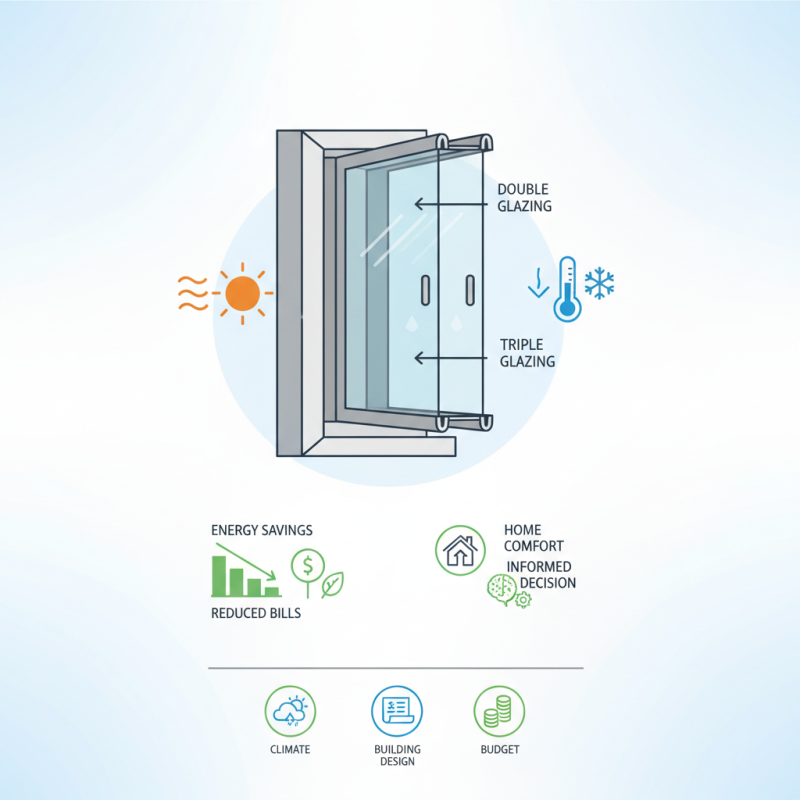
Many options exist for insulated glass. Each type offers unique benefits based on your specific needs. Double or triple glazing, for instance, can enhance insulation levels. But not every option is perfect for every situation. Awareness of potential drawbacks is crucial.
Balancing cost and efficiency is a challenge. Higher-quality insulated glass may come with a hefty price tag. However, the long-term savings can be significant. Reflecting on your choices helps ensure that you make an informed decision. Before investing, consider factors like climate, building design, and budget.
Understanding Insulated Glass and Its Energy Efficiency Benefits
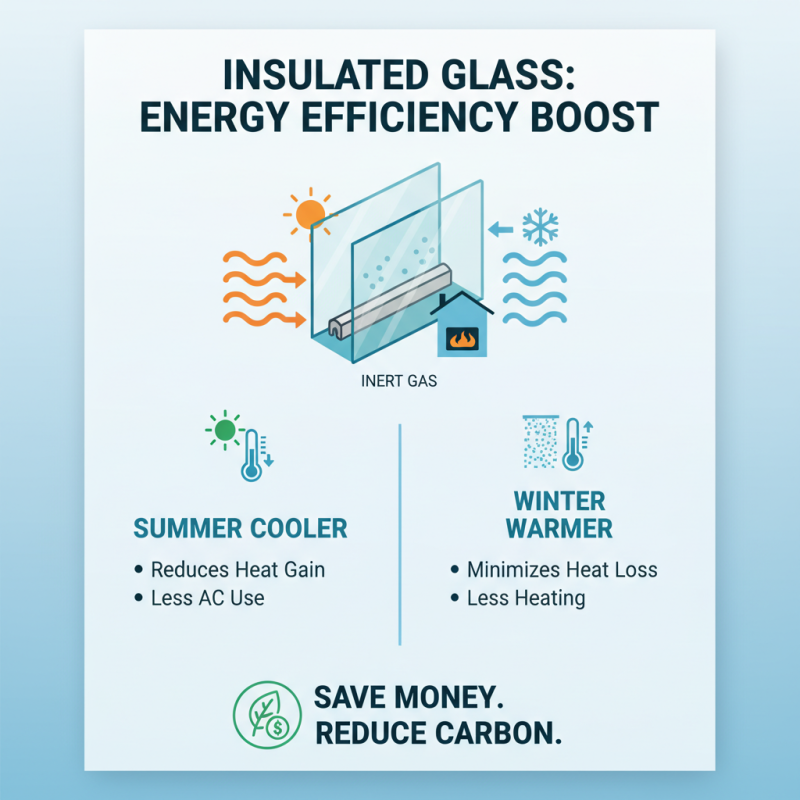
Insulated glass plays a crucial role in enhancing energy efficiency in homes and buildings. It consists of two or more glass panes separated by a spacer, usually filled with inert gas. This design significantly reduces heat transfer. This means your space stays cooler in summer and warmer in winter.
Choosing the right insulated glass can make a big difference. Low-emissivity (Low-E) coatings can further improve thermal performance. They reflect heat while allowing light to enter. This enhances comfort and reduces energy bills. Additionally, consider the spacer materials. Warm-edge spacers help minimize heat loss.
Tips: When selecting insulated glass, look for certifications that guarantee energy efficiency. Investing in quality can pay off in the long run. Remember to check for proper installation as gaps can lead to air leaks. Small mistakes can compromise the benefits. Think through your choices carefully.
Types of Insulated Glass: A Comparative Overview
When considering insulated glass, understanding the types available is crucial for maximizing energy efficiency. Double glazing remains one of the most common options. It consists of two glass panes with a space in between, often filled with argon gas. This setup can reduce heat transfer by up to 50%, according to a report by the Department of Energy.
Triple glazing, while more expensive, offers even greater insulation. It comprises three panes instead of two, providing enhanced thermal performance. Studies show that triple glazing can further decrease energy costs by up to 30%. However, the added weight may require stronger framing materials, complicating installation.
Low-emissivity (Low-E) coatings are another innovative option. These coatings reflect heat back into a room while allowing natural light to pass through. They can improve energy efficiency by lowering heating and cooling expenses by 10-15%. Nevertheless, the effectiveness of these coatings can be diminished if not correctly installed. Each option has its pros and cons, and homeowners must evaluate their specific needs carefully.
How Insulated Glass Works to Improve Energy Efficiency
Insulated glass is a key player in improving energy efficiency in homes and commercial buildings. This glass consists of two or more panes separated by a gas-filled space. The gas, often argon or krypton, significantly reduces heat transfer. According to the U.S. Department of Energy, using insulated glass can reduce energy use by up to 30%. This is crucial for minimizing heating and cooling costs.
Tips: Consider double-pane glass for better insulation. Triple-pane may offer even more efficiency, but can increase costs. Assess your climate before deciding.
The effectiveness of insulated glass largely depends on its quality. Low-E coatings can further enhance performance. These coatings reflect heat while allowing light in. However, not all coatings are equal. The energy-efficient rating of insulated glass is important. Ensure you check these ratings when making your choice.
Tips: Inspect the seals around your insulated glass. Poor seals can let cold air in and hot air out. Regular maintenance can prolong the life of your windows.
Best Insulated Glass Options for Energy Efficiency Benefits
Factors to Consider When Choosing Insulated Glass
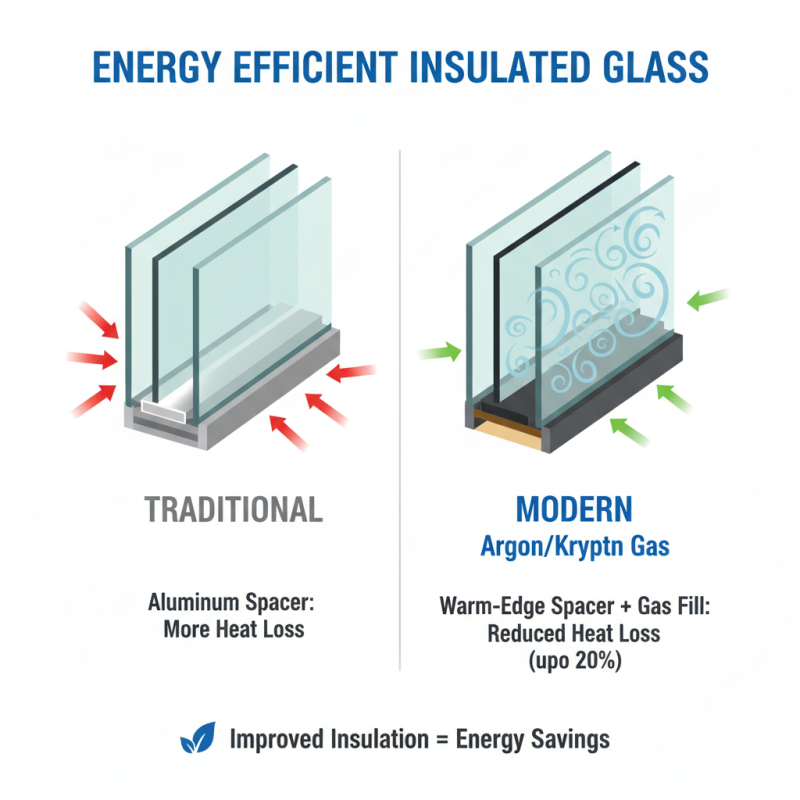
When selecting insulated glass, several factors play a crucial role in achieving energy efficiency. The type of spacer used can significantly impact thermal performance. For example, warm-edge spacers can reduce heat loss by up to 20% compared to traditional aluminum spacers. The use of gas fills, like argon or krypton, also contributes to improved insulation. These gases have a lower thermal conductivity than air, which helps maintain indoor temperatures.
Another essential consideration is the glass coating. Low-emissivity (Low-E) coatings reflect heat back into the room. Studies show that Low-E glass can improve energy efficiency ratings by up to 30%. However, some coatings may not be suitable for all climates. It's vital to choose a coating that matches regional weather patterns. For instance, a glass optimized for cooler climates may not perform as well in warmer regions.
Moreover, the installation process is often overlooked but is equally important. Poor installation can lead to air leaks and reduced efficiency. Research indicates that improper sealing can negate up to 50% of the thermal benefits of insulated glass. This highlights the need for professional installation to fully utilize the glass's capabilities. While insulated glass offers substantial benefits, every choice made must align with the specific building requirements and local climate conditions.
Installation and Maintenance Tips for Optimal Energy Performance
When choosing insulated glass, proper installation is crucial. Gaps or leaks can lead to significant energy loss. It’s essential to check the frame dimensions before installation. Even a small misalignment can create problems later. Sealing edges correctly can prevent moisture build-up, which is crucial for performance.
Regular maintenance is equally important for energy efficiency. Clean the glass to remove dirt and debris that may block sunlight. Inspect seals for any damage over time. If you notice condensation forming between panes, this may indicate a seal failure. Taking action quickly can save energy and costs.
Invest in periodic professional inspections. They can spot issues you might miss. Proper care keeps your insulated glass functioning well. Remember, a little effort now can lead to long-term benefits.
Best Insulated Glass Options for Energy Efficiency Benefits
| Glass Type |
U-Value (BTU/h·ft²·°F) |
Solar Heat Gain Coefficient (SHGC) |
Noise Reduction (dB) |
Maintenance Requirements |
Lifespan (Years) |
| Double Glazed |
0.30 |
0.50 |
28 |
Low; regular cleaning |
15-20 |
| Triple Glazed |
0.20 |
0.35 |
32 |
Low; occasional inspection |
20-30 |
| Low-E Glass |
0.25 |
0.40 |
30 |
Moderate; routine cleaning |
15-25 |
| Gas-filled Glass |
0.23 |
0.38 |
29 |
Low; minimal upkeep |
15-30 |
| Tempered Glass |
0.30 |
0.45 |
26 |
Moderate; replace as needed |
10-20 |


 Phone
Phone Send Email
 whatsapp
 Facebook