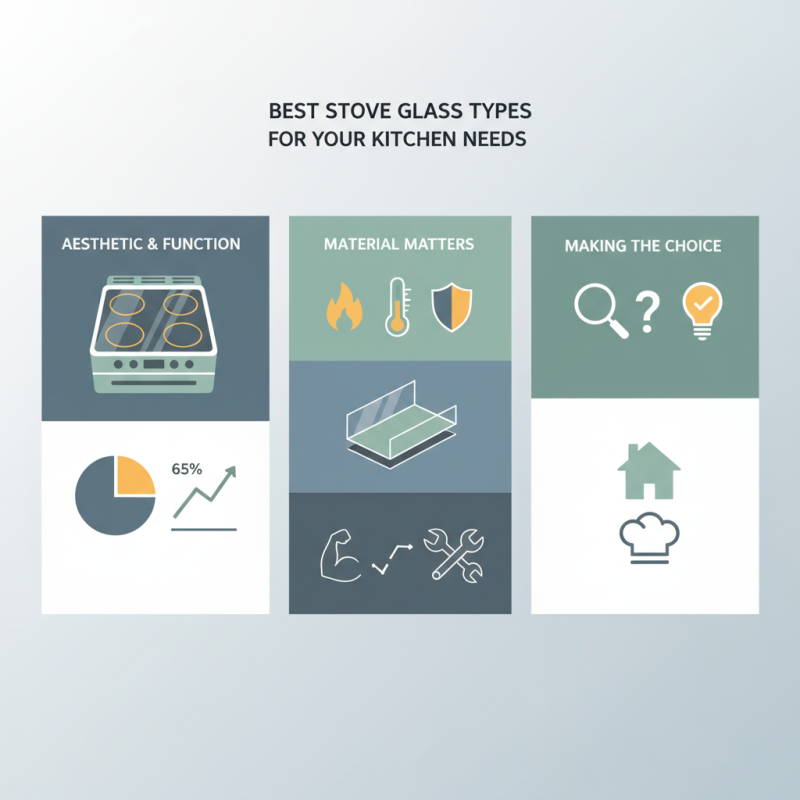
Best Stove Glass Types for Your Kitchen Needs?
When it comes to kitchen design, the choice of stove glass plays a crucial role. High-quality stove glass not only enhances aesthetic appeal but also affects functionality. According to industry reports, over 65% of homeowners prioritize glass features in their kitchen renovation projects. Choosing the right type can impact durability and heat resistance.
Additionally, specific glass types can withstand high temperatures and resist scratching, essential for daily cooking tasks. For instance, tempered glass can handle extreme heat and is a preferred choice for many chefs. However, knowledge about these materials can be limited. Some might overlook potential drawbacks like weight and installation complexity. It is essential to weigh these factors when making your decision.
With many options available, understanding the nuances of stove glass is vital. Research and expert recommendations can provide insights, ensuring you select a product that meets both aesthetic desires and practical needs. Finding the right stove glass elevates any kitchen, making it both beautiful and functional.
Types of Stove Glass: A Comprehensive Overview
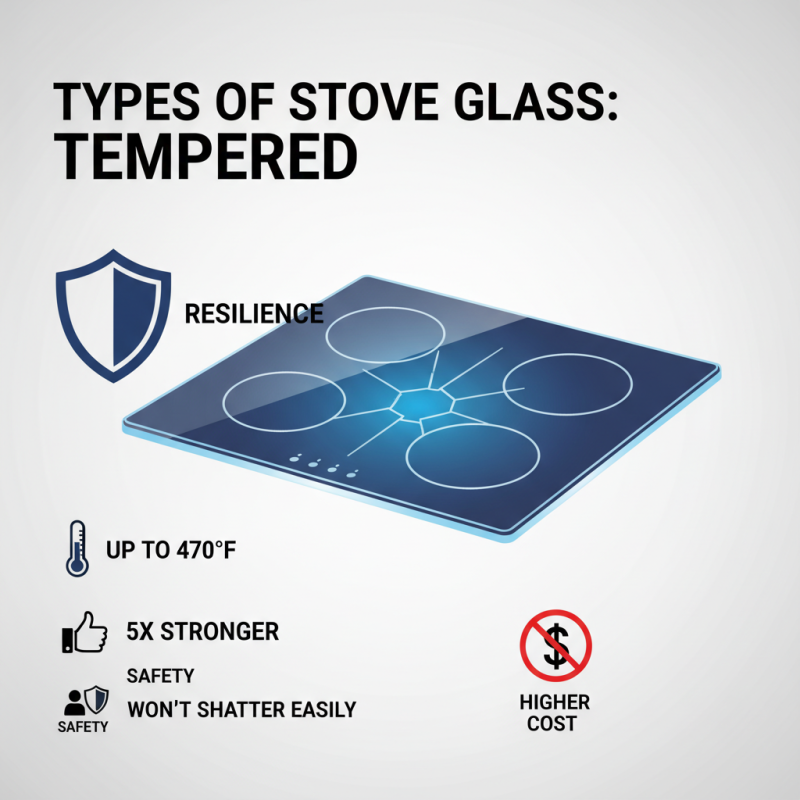
When considering stove glass for your kitchen, several types offer different benefits. Tempered glass is a popular choice due to its resilience. It can withstand high temperatures up to 470°F. According to industry reports, this type of glass is crucial for safety. It won't shatter easily and is five times stronger than regular glass. However, its higher cost can be a drawback for some homeowners.
Ceramic glass is another viable option, often used in induction and radiant cooktops. It tends to provide even heat distribution. Many chefs appreciate its efficiency in cooking. Data indicates that ceramic glass can also resist thermal shock. But some users find it more prone to scratches, which may not appeal to everyone.
Lastly, low-iron glass offers excellent clarity and aesthetics. It transmits more light and gives stoves a sleek appearance. However, this type of glass can be more fragile than its tempered counterparts. Users should weigh the benefits against the risk of breakage. Understanding these characteristics can aid in selecting the best stove glass for individual needs.
Benefits of Tempered Glass for Kitchen Stoves
Tempered glass is a popular choice for kitchen stoves. Its strength is a significant advantage. The manufacturing process involves heating and rapid cooling, creating a material that can withstand high temperatures and sudden impacts. According to industry reports, tempered glass can be five to ten times stronger than regular glass. This enhances safety and reduces the risk of shattering during cooking.
One benefit of tempered glass is its thermal resistance. It can tolerate temperatures up to 500°F (about 260°C). This characteristic is crucial for kitchen environments where heat fluctuations are common. Additionally, tempered glass is stain-resistant. Spills and splatters can be wiped away easily, maintaining a clean appearance. However, improper installation may lead to cracks or compromises. Ensuring that the glass fits properly is essential.
Moreover, tempered glass provides a clear view of the cooking process. This feature allows cooks to monitor dishes without opening the stove. This not only increases efficiency but also enhances the cooking experience. While tempered glass is durable, it's still important to avoid extreme temperature changes. Such shifts can cause stress fractures over time. Hence, practical usage is vital for longevity.
Ceramic vs. Schott Glass: Which is Best?
When choosing between ceramic and Schott glass for your stove, both materials have unique benefits. Ceramic glass, often praised for its heat resistance, can handle high temperatures and is less prone to scratching. It offers a smooth surface that is easy to clean. Many homeowners appreciate its aesthetic appeal, as it comes in various designs. However, it can be less durable over time, potentially leading to cracks if not handled carefully.
On the other hand, Schott glass is engineered for strength and durability. It is resistant to thermal shock and can withstand extreme temperature changes. This feature makes it a popular choice among professional kitchens. Schott glass is usually more expensive, but it often outlasts ceramic options. Yet, some users concern the initial cost may not justify the longevity. Different cooking habits and kitchen environments will influence the best material choice. Balancing these factors is essential for making the right decision for your kitchen needs.
Best Stove Glass Types for Your Kitchen Needs? - Ceramic vs. Schott Glass: Which is Best?
| Feature |
Ceramic Glass |
Schott Glass |
| Durability |
Moderate |
High |
| Heat Resistance |
Up to 800°C |
Up to 1000°C |
| Weight |
Lightweight |
Moderate |
| Cost |
Lower |
Higher |
| Scratch Resistance |
Moderate |
High |
| Cleaning Ease |
Easy |
Very Easy |
| Finish Options |
Matte, Glossy |
Clear, Tinted |
Maintenance Tips for Keeping Stove Glass Clean
Keeping your stove glass clean requires regular maintenance. Many homeowners overlook the importance of this task. Dirty glass not only looks unsightly but can also impede performance. Grease and food residues can build up quickly. This leads to tough stains that are hard to remove.
To maintain your stove glass, start with a daily wipe-down after cooking. Use a damp cloth to remove spills and splatters. For tougher stains, a mixture of baking soda and water can be effective. Apply it to the stained area and let it sit for a few minutes. Then, scrub gently with a soft cloth. Avoid abrasive cleaners, as they can scratch the glass.
Remember, routine cleaning prevents long-term damage. If left unattended, grime can harden and become nearly impossible to remove. It may even require professional cleaning. Additionally, be mindful of what you cook. Certain foods can create more mess. A cautious approach can lead to less waste and less work when it comes to maintenance.
Best Stove Glass Types for Your Kitchen Needs
This chart illustrates the popularity of different stove glass types based on user preferences and maintenance ease. The data reflects user feedback on stove glass types and their maintenance requirements.
Safety Features of Modern Stove Glass Designs
Modern stove glass designs prioritize safety without compromising style. One key feature is tempered glass. It can withstand high temperatures and sudden changes in heat. This reduces the risk of breakage during cooking. Home cooks value this durability, as it ensures peace of mind while preparing meals.
Another important aspect is the shatterproof technology. Many designs are made to prevent glass shards from scattering if it does break. This significantly lowers the chances of injury. The edges are often polished to minimize sharp corners, enhancing safety further. These features also contribute to an aesthetically pleasing look, making them popular for stylish kitchens.
Despite these advancements, potential issues remain. Some users may overlook maintenance, leading to scratches and weakened glass over time. Regular inspections of the glass can prevent unexpected accidents. It’s essential to stay informed about the best care practices. The balance between beauty and functionality is a constant pursuit in modern kitchen designs.


 Phone
Phone Send Email
 whatsapp
 Facebook