Best Tempered Glass For Oven Door Reviews and Buying Guide?
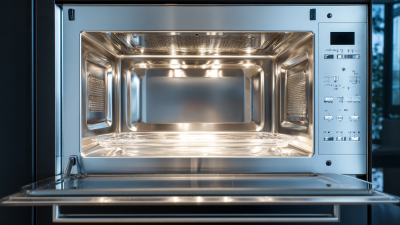
When it comes to your kitchen, the oven door is crucial. It not only ensures safety but also enhances the cooking experience. Choosing the right tempered glass for oven door can make a significant difference. This glass is designed to withstand high temperatures. However, picking suitable options can be tricky.
There are multiple factors to consider while purchasing tempered glass for oven doors. Thickness matters, as does the ability to resist shattering. You might find some brands boast about their products. Yet, not all live up to their claims. It's essential to read real user reviews and experiences.
Not every tempered glass for oven door meets the mark. An inferior product can lead to frustration. You may worry about safety while cooking. This guide will explore top-reviewed products and aspects you must consider. Be prepared to make an informed decision to enhance your kitchen safety and aesthetics.
Understanding Tempered Glass for Oven Doors
Tempered glass has become the preferred choice for oven doors. It’s engineered to withstand high temperatures and rapid temperature changes. According to the National Glass Association, tempered glass is four to five times stronger than regular glass. This enhanced strength makes it ideal for appliances that need to endure extreme conditions.
Understanding the properties of tempered glass is crucial. When it shatters, it breaks into small, blunt pieces, reducing the risk of injury. This safety feature is vital in kitchen environments. Still, it’s essential to note that not all tempered glass is created equal. Variations in thickness and manufacturing can affect performance and durability. A report from the Glass Research Institute indicates that improper handling during installation could lead to unexpected failures.
Choosing the right tempered glass for your oven door involves more than just strength. Thermal resistance and aesthetic appeal are also important factors. The glass must fit snugly into the door frame to prevent heat loss. Gaps can lead to energy inefficiencies. Noticing these details can prevent future issues. The cost can vary widely, so understanding your specific needs and matching them to your choice is essential.
Best Tempered Glass For Oven Door Reviews and Buying Guide
| Product Type |
Thickness (mm) |
Temperature Resistance (°C) |
Price Range ($) |
Rating (out of 5) |
| Clear Tempered Glass |
4 |
450 |
50 - 100 |
4.5 |
| Frosted Tempered Glass |
5 |
400 |
70 - 120 |
4.0 |
| Low-iron Tempered Glass |
6 |
500 |
80 - 150 |
4.8 |
| Tinted Tempered Glass |
5 |
440 |
60 - 130 |
4.3 |
| Ceramic Coated Tempered Glass |
4.5 |
600 |
100 - 200 |
4.7 |
Key Features of Quality Tempered Glass
When choosing tempered glass for oven doors, several key features matter. Durability is paramount. Quality tempered glass can withstand high temperatures without cracking or breaking. This strength ensures safety during cooking.
Besides, a great tempered glass should be easy to clean. Grease and food residue can create a messy look. Smooth surfaces help in maintaining a clear view of your dishes.
Another important aspect is insulation. Quality tempered glass helps in heat retention. This means your oven stays hot and efficient. However, some products might not provide the insulation needed. You may find yourself with uneven cooking results.
Always check the thickness of the glass. Thicker options are often more reliable, but they can be heavy. You’ll want a balance between weight and functionality.
Finally, consider the design. Aesthetics can play a role in your kitchen’s appearance. Some tempered glass options may not fit well with specific styles. If you focus solely on performance, you might overlook how it looks. This mismatch can be frustrating in the long run.
It's essential to choose a style that complements your space while maintaining the necessary features for durability and safety.
Top Brands and Models of Tempered Glass for Oven Doors
When choosing tempered glass for oven doors, various options are available. Each model differs in thickness, heat resistance, and clarity. A thicker glass tends to be more durable, but may also weigh more. Consider how often you use your oven to determine the best fit. Some might prefer lightweight options, while others prioritize sturdiness.
Temperature tolerance is critical. Some glasses withstand higher temperatures, which is essential for self-cleaning ovens. A scratch-resistant surface can also improve longevity. Yet, not every model offers these features. Some may chip or become discolored over time, causing frustration. Regular maintenance can help, but it’s not foolproof.
Design matters, too. Clear glass provides a sleek look but shows smudges easily. Tinted or frosted options can hide fingerprints, but might obscure visibility. Each choice has pros and cons. Think about your cooking habits and aesthetic preferences. Careful consideration will guide you toward a suitable tempered glass model for your oven door.
Best Tempered Glass for Oven Doors - Performance Ratings
Maintenance and Care for Your Oven Door Glass
Taking care of your oven door glass is essential for both safety and performance.
Cleaning it regularly helps maintain visibility and prevents grime buildup. After each use, allow the oven to cool before cleaning.
Wipe the glass with a soft cloth to remove any smudges or spills. This simple practice can enhance your cooking experience.
Occasionally, tougher stains may require a more vigorous approach.
A mixture of baking soda and water can create an effective paste.
Apply it to the stained areas and let it sit for a few minutes.
Scrubbing gently with a non-abrasive sponge can be helpful.
However, be cautious; avoid using steel wool or harsh chemicals that may scratch the surface.
Maintaining your oven door glass also involves checking for any chips or cracks regularly.
These imperfections can compromise the glass's integrity.
If you notice any, refrain from using the oven until it's repaired.
Monitoring for such issues is crucial. It's easy to overlook these small details, but doing so can prevent larger problems down the road.


 Phone
Phone Send Email
 whatsapp
 Facebook