What is the Best Tempered Glass For Refrigerator Door Options?
When choosing the right tempered glass for refrigerator doors, understanding the available options is crucial. Renowned expert in glass technology, Dr. Emily Chen, states, "The right tempered glass not only enhances safety but also improves energy efficiency." This insight emphasizes the importance of selecting high-quality materials for refrigerator doors.
Tempered glass for refrigerator doors provides durability and thermal resistance. These attributes are essential in both residential and commercial settings. However, many consumers overlook the significance of proper thickness and quality. A glass that is too thin may not withstand impacts. On the other hand, high-quality tempered glass can prevent cracks and maintain insulation.
While many products claim to be the best, evaluating their features is vital. Some options may lack the robustness needed for daily use. As Dr. Chen points out, "Not all tempered glass meets the same standards." This caution reminds buyers to reflect on their choices carefully. The right tempered glass for refrigerator doors is essential for functionality and safety.
Types of Tempered Glass Used in Refrigerator Doors
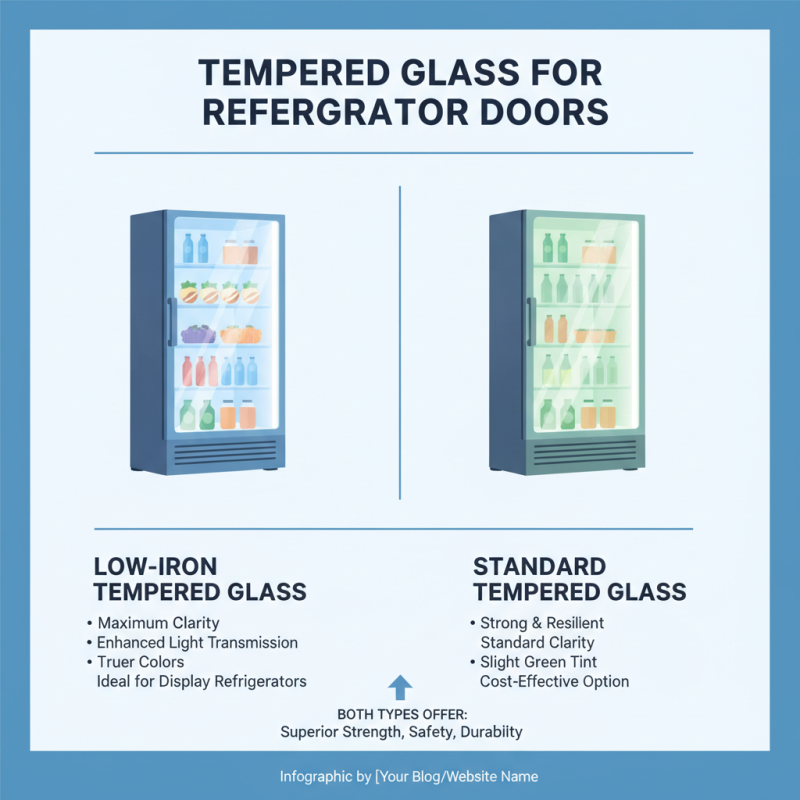
When selecting tempered glass for refrigerator doors, understanding the types available is crucial. Tempered glass is known for its strength and resilience. Generally, you will find two main types: low iron and standard tempered glass. Low iron glass is clearer and allows for better light transmission. It enhances visibility for products stored inside, making it popular in display fridges.
Standard tempered glass, while still strong, has a slight green tint. This glass is more affordable and widely used. It provides the necessary durability for everyday use but may obscure the visibility of contents slightly. The choice between these two types depends on the specific needs for clarity versus cost-effectiveness.
Some refrigerator models utilize double-glazed tempered glass. This design features two layers of glass with a space in between, offering better insulation. While it is effective for energy efficiency, it may be pricier. Considering the balance between durability and aesthetics is necessary. Each type has its pros and cons, requiring careful consideration before making a decision.
Benefits of Tempered Glass Over Standard Glass in Refrigeration
Tempered glass is a popular choice for refrigerator doors, offering numerous benefits over standard glass. One major advantage lies in its strength. Tempered glass undergoes thermal treatment, which increases its durability significantly. It can withstand temperature fluctuations without cracking. This makes it ideal for refrigeration, where temperature changes are common.
Another benefit of tempered glass is its safety. If it does break, it shatters into small, blunt pieces rather than sharp shards. This reduces the risk of injury when handling the refrigerator. Moreover, tempered glass provides excellent insulation properties. It helps maintain a stable temperature inside the fridge, which is crucial for food preservation.
Though superior in many aspects, using tempered glass can pose challenges. It may not be compatible with all fridge designs, and installation might require professional assistance. Additionally, while it's resistant to scratches, it’s not entirely scratch-proof. Keeping the glass clean also requires effort, as streaks can be visible against the clear surface. Balancing these factors is essential when choosing the best tempered glass for refrigerator doors.
What is the Best Tempered Glass For Refrigerator Door Options? - Benefits of Tempered Glass Over Standard Glass in Refrigeration
| Feature |
Tempered Glass |
Standard Glass |
| Durability |
Highly durable; withstands impact and temperature changes |
Less durable; can chip or shatter easily |
| Safety |
If broken, shatters into small, blunt pieces |
If broken, may create sharp shards |
| Thermal Resistance |
Can withstand higher temperatures |
Less thermal resistance |
| Weight |
Generally heavier due to thickness |
Lighter and thinner |
| Cost |
Higher initial cost due to manufacturing process |
Lower initial cost |
| Aesthetic Appeal |
Clearer and allows for better visibility |
May have distortions |
Key Factors to Consider When Choosing Tempered Glass
When selecting tempered glass for refrigerator doors, several key factors warrant attention. The glass thickness plays a crucial role in durability. Studies indicate that glass thicker than 4mm can better withstand impact and temperature fluctuations. It is essential to ensure that the glass meets safety standards as well. Look for options that conform to international safety regulations, such as ASTM C1048.
Another factor is the thermal insulation properties of the glass. Good insulation minimizes heat transfer, which can enhance energy efficiency. Research shows that insulated tempered glass can reduce energy consumption by up to 30%. Additionally, clarity and UV resistance are vital, especially for display refrigerators. Glass that blocks harmful UV rays will help maintain food quality longer.
Tip: Always ask for performance certifications. Verified products can offer peace of mind regarding their effectiveness.
Beyond technical specifications, it’s important to consider aesthetic aspects. The finish of the glass can impact the overall look of your refrigerator. Clear glass provides an unobstructed view, but frosted options can offer a modern touch. Reflect on your needs carefully and weigh the pros and cons of each choice.
Tip: Take samples home if possible. Seeing how they blend with your space can guide your decision.
Choosing the right tempered glass isn't straightforward. It's worthwhile to take the time to evaluate your options thoroughly.
Industry Standards and Certifications for Tempered Glass Quality
When considering tempered glass for refrigerator doors, industry standards and certifications play a crucial role in ensuring quality and safety. Tempered glass must meet specific criteria set by organizations like ASTM International and ANSI. According to ASTM C1048, tempered glass must withstand thermal stress and resist breakage. This is essential for refrigerators that experience frequent temperature changes.
Furthermore, tempered glass used in refrigeration must possess a minimum strength of 21,000 psi, as outlined in ANSI Z97.1. This certification guarantees that the glass can handle both impact and heat. A report from the Glass Association of North America highlights that properly certified tempered glass reduces the risk of shattering, enhancing safety in busy kitchen environments.
There are still challenges in the market. Not all manufacturers adhere strictly to these standards. Some may offer tempered glass that falls short of these requirements. This inconsistency can lead to safety hazards. It is vital for suppliers and consumers alike to verify certifications before making a purchase. Awareness of these details can significantly impact the reliability of refrigerator doors in everyday use.
Cost Analysis of Various Tempered Glass Options for Refrigerators
When considering the cost of tempered glass for refrigerator doors, various options present distinct price points and characteristics. Tempered glass is known for its safety and durability. It is often more expensive than regular glass, but the investment can lead to long-term savings due to its robust nature. For instance, lower-cost options might use thinner glass, which could lead to quicker breakage or wear.
Typically, thicker tempered glass costs more, but its resilience is worth the expense. Some options include laminated glass for added strength, which might elevate the price further. Analyzing these aspects helps in making informed decisions. You may find that selecting a budget-friendly option saves money upfront. However, it could result in higher costs down the line through replacements.
Buyers must also consider the installation and maintenance costs associated with different types of tempered glass. These factors can significantly impact the overall budget. Often, the cheapest options require more frequent replacements, leading to additional expenses. It’s crucial to evaluate not just the price, but also performance and longevity when selecting tempered glass for a refrigerator door.
Cost Analysis of Tempered Glass Options for Refrigerator Doors


 Phone
Phone Send Email
 whatsapp
 Facebook