Why Choose Ar Ag Af Coated Glass for Your Projects?
When selecting materials for your projects, consider the benefits of Ar Ag Af Coated Glass. According to industry expert Dr. Emily Chen, "This innovative glass combines durability with energy efficiency." She highlights its unique properties, making it a preferred choice for architects and builders alike.
The Ar Ag Af Coated Glass features a specialized coating that enhances its performance. This coating reflects solar energy while allowing natural light to pass through. The result is reduced energy costs and increased comfort for occupants. However, professionals must be careful in installation to avoid compromising its benefits.
Furthermore, the availability of various thicknesses and finishes provides flexibility in design. Architects can select options that suit their aesthetic needs. Nevertheless, the market is flooded with alternatives. It is crucial to weigh the advantages and limits. Investing in Ar Ag Af Coated Glass may require a deeper understanding of these materials.
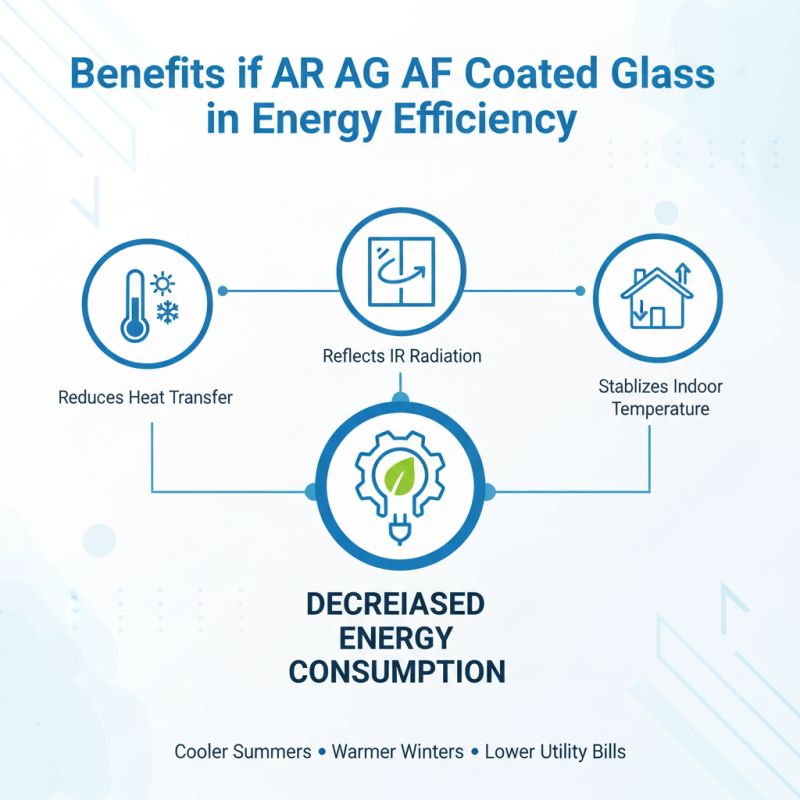
Benefits of Ar Ag Af Coated Glass in Energy Efficiency
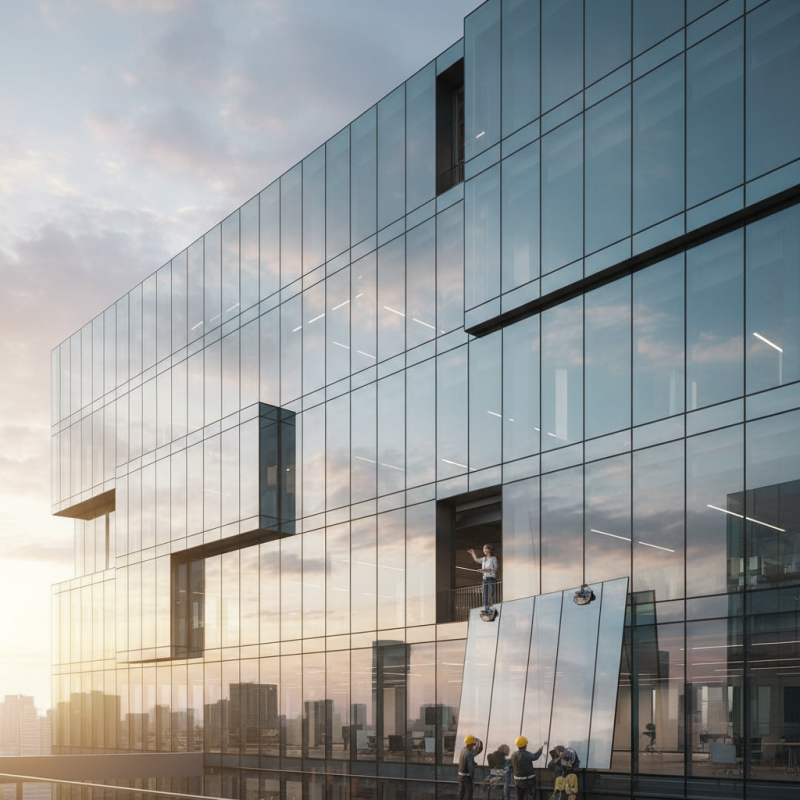
AR AG AF coated glass offers significant energy efficiency benefits for various projects. This specialized glass combines multiple coatings to minimize heat transfer. It reflects infrared radiation, keeping buildings cooler in summer and warmer in winter. This leads to decreased energy consumption for heating and cooling systems.
The aesthetic appeal of this glass also enhances project designs. It allows for increased natural light while controlling glare. Many architects appreciate its versatility. However, some may initially overlook its cost-effectiveness. While the upfront investment may be higher, the long-term savings in energy bills are noteworthy. Buildings using coated glass often achieve better energy ratings.
Implementing AR AG AF coated glass may require careful planning. Not all projects benefit equally from this material. Evaluation of the local climate and building orientation is crucial. Proper installation is essential to achieve the desired efficiency levels. Awareness of these factors helps in making informed decisions about using this innovative glass in construction.
Comparative Analysis of Coated Glass vs. Non-Coated Alternatives
Coated glass, particularly Ar Ag Af coated glass, offers several advantages over non-coated alternatives. An industry report from the Glass and Glazing Federation highlights that coated glass can reflect up to 90% of solar heat. In contrast, non-coated glass absorbs more heat, raising cooling energy demands. Buildings using coated glass report energy savings between 20-30%, making it a sustainable choice for modern construction.
When projects require specific light transmission, coated glass excels. It allows optimal light while reducing glare and UV exposure. This feature enhances comfort for occupants and preserves interior furnishings. According to a study published by the American Institute of Architects, natural light is crucial for occupant productivity and well-being. Coated glass achieves this beneficial balance effectively.
Tip: Consider the location and purpose of your project. If it's in a sunny area, coated glass will perform better. Also, evaluate initial costs versus long-term energy savings. Analyzing these factors can provide clearer insights into the best choice for your needs. Remember, the right decision goes beyond aesthetics; it influences sustainability and occupant comfort.
Why Choose Ar Ag Af Coated Glass for Your Projects? - Comparative Analysis of Coated Glass vs. Non-Coated Alternatives
| Aspect |
Coated Glass |
Non-Coated Glass |
| Light Transmittance |
Up to 95% |
Up to 90% |
| UV Protection |
High (blocks up to 99%) |
Low (blocks only 50%) |
| Energy Efficiency |
Higher (reduces heat gain) |
Lower (greater heat loss) |
| Durability |
More durable |
Less durable |
| Cost |
Higher initial investment |
Lower initial investment |
Durability and Longevity of Ar Ag Af Coated Glass in Various Climates
When considering glass options for construction projects, durability and longevity are critical. Ar Ag Af coated glass stands out particularly in various climates. Its multi-layered coating helps resist fading and wear. The coatings reflect different types of radiation, enhancing thermal performance. This characteristic is particularly valuable in extreme temperature zones.
In harsher climates, such as areas with intense sun exposure or heavy snowfall, durability becomes even more crucial. Ar Ag Af coatings can prevent moisture buildup and corrosion. This resilience extends the life of the glass, making it a reliable choice. Moreover, the coatings can reduce the likelihood of cracks and chips from temperature fluctuations.
One area for improvement is the initial cost, which might deter some buyers. Evaluating the long-term savings on maintenance and replacements against upfront costs is essential. This balance can guide decisions in glass selection for various environments. Addressing these aspects ensures better sustainability and performance in construction projects.
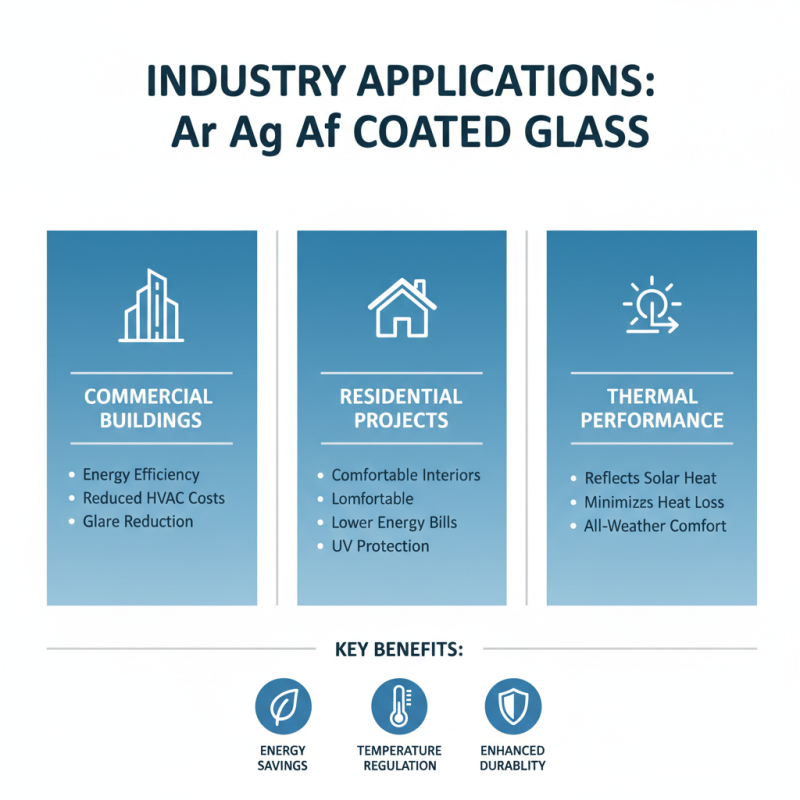
Industry Applications: Where Ar Ag Af Coated Glass Excels
When it comes to modern architecture and design, Ar Ag Af coated glass stands out in various industry applications. This specialized glass is engineered to enhance energy efficiency and thermal performance. It excels in commercial buildings and residential projects by minimizing energy loss. By reflecting solar radiation, it helps maintain comfortable indoor temperatures.
In the realm of green construction, Ar Ag Af coated glass plays a crucial role. It allows natural light to pour in while blocking harmful UV rays. This dual function contributes to a healthier living environment. Moreover, its sleek design can elevate any architectural style. However, it’s essential to consider the project’s specific needs when choosing this glass. Not every application will reap the same benefits.
Tips: Always assess the local climate. If the area has extreme temperatures, enhanced coatings will yield better results. Testing light transmission is also vital. What works for one design may not suit another. Compromises might be necessary, requiring detailed discussions with your team. Keep exploring options until you find balance.
Cost-Benefit Analysis of Using Ar Ag Af Coated Glass in Construction Projects
When considering construction materials, Ar Ag Af coated glass offers many advantages worth exploring. This specialized glass provides exceptional thermal insulation and glare reduction. These benefits can lead to significant energy savings. Reduced energy costs allow projects to remain within budget. The initial investment may seem steep, but the long-term savings often outweigh these expenses.
Another critical aspect is durability. This glass type is resistant to environmental factors and damage. Its longevity means less frequent replacements, which can save money over time. However, it's essential to assess the specific needs of each project. Not every application may require the advanced features of coated glass. Sometimes, standard glass options suffice and can reduce project costs.
The decision to use Ar Ag Af coated glass demands careful consideration of project goals. While it offers numerous benefits, the financial impact on budgets must be measured. Contractors should analyze project specifics before committing to this material. The benefits are clear, but reflection on the overall needs ensures optimal decision-making. An informed choice today can lead to greater success in future projects.
Cost-Benefit Analysis of Ar Ag Af Coated Glass


 Phone
Phone Send Email
 whatsapp
 Facebook