How to Choose the Best Self-Cleaning Glass for Your Home?
Choosing the best self-cleaning glass for your home can be challenging. The market is flooded with options, each promising ease and cleanliness. Self-cleaning glass offers a unique solution to maintain clarity without constant upkeep. Imagine waking up to sparkling windows that require minimal care.
However, not all self-cleaning glass products perform equally. Some may underdeliver on their promises. It's crucial to understand how different coatings and materials work. Factors such as climate and environment also play a role in effectiveness. You may find that a product doesn't meet your expectations. Consider your specific needs and lifestyle before making a decision.
Constant maintenance can feel overwhelming. Self-cleaning glass can simplify your life. Still, it's essential to do thorough research. Look for reviews and feedback. This investment should enhance your home without adding stress. Make a choice that reflects both functionality and your aesthetic desires.
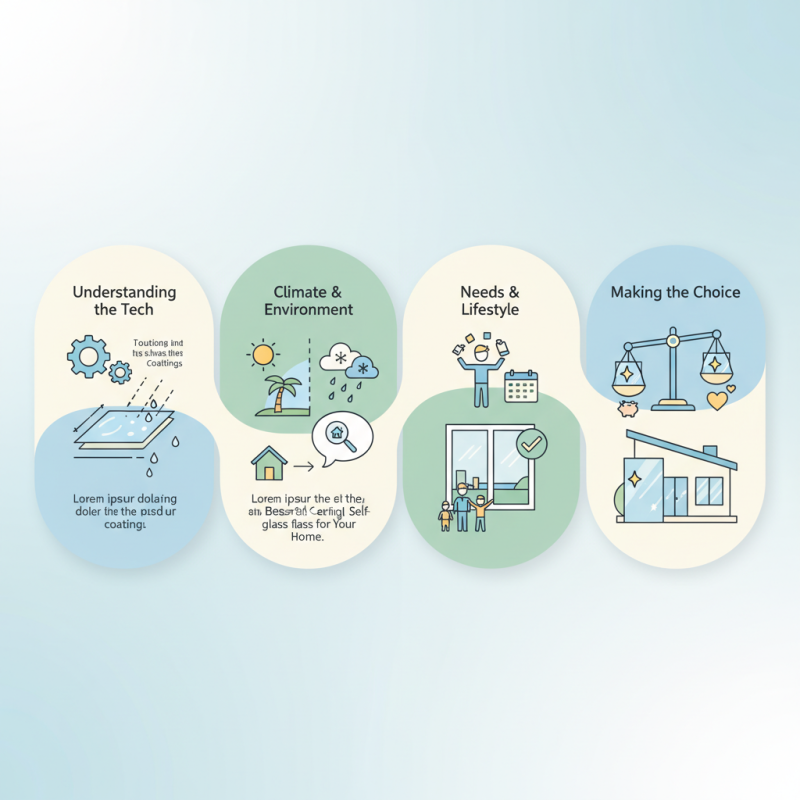
Understanding Self-Cleaning Glass Technology
Self-cleaning glass technology is fascinating yet complex. This type of glass uses a unique coating process. When sunlight hits the glass, a photocatalytic reaction occurs. This reaction breaks down dirt and organic matter. Rainwater then washes away the residue, keeping your windows clean.
However, it’s important to note that this glass isn't a magic solution. It works best in specific environments. If your windows are shaded or constantly dirty, results may vary. Additionally, regular maintenance is still necessary to address stubborn stains. The effectiveness can diminish over time, especially if the coating wears down.
Understanding how self-cleaning glass works can help you decide. Evaluate your home’s exposure to sunlight. Consider local weather conditions as well. With this knowledge, you can choose wisely, ensuring your investment pays off in the long run.
Self-Cleaning Glass Technology Efficiency Comparison
Types of Self-Cleaning Glass Available for Home Use
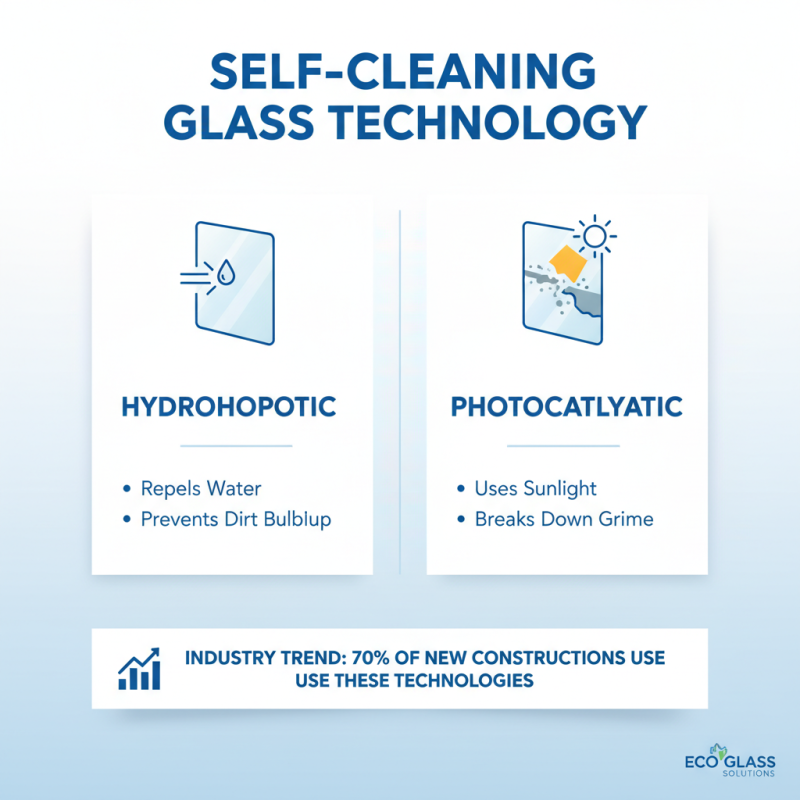
When choosing self-cleaning glass for your home, it's essential to understand the types available. One popular option is hydrophobic glass. This type repels water and dirt, preventing grime buildup. Rainwater beads up and rolls off, taking dirt with it. The result is a clearer view without constant cleaning.
Another option is photocatalytic glass. This technology uses sunlight to break down organic materials. When dirt lands on the surface, sunlight activates the coating. Over time, dirt and grime simply wash away with rain or light cleaning. This choice is effective but requires sunlight exposure to work optimally.
Consider the maintenance aspect. Not all self-cleaning glass works equally in every climate. In areas with limited sunlight or heavy pollution, results may vary. Homeowners should think about their environment and lifestyle when selecting the right type of glass. Reflecting on these factors will lead to a more informed decision.
Factors to Consider When Choosing Self-Cleaning Glass
When choosing self-cleaning glass, consider the coating technology. The most common types are hydrophobic and photocatalytic. Hydrophobic glass repels water, preventing dirt buildup. On the other hand, photocatalytic glass uses sunlight to break down organic grime. Industry reports indicate that about 70% of new constructions now incorporate these technologies due to their efficiency.
Durability is another key factor. Many self-cleaning glasses can last up to 20 years with proper maintenance. It’s important to note that improper installation can lead to failures. Ensure that the glass fits well within its frame and is aligned correctly to maximize its effectiveness.
Cost is always a consideration. Self-cleaning glass can range widely in price, influenced by factors like size and manufacturer technology. Reports show that while initial costs may be higher, homeowners can save on cleaning expenses over time. Yet, not all products offer equal performance. Some may require annual inspections. Engaging a professional for guidance can help navigate this complex market.
Benefits of Installing Self-Cleaning Glass in Your Home
Self-cleaning glass is becoming popular in modern homes. Its unique coating helps to keep windows clean. This feature is not just convenient but also eco-friendly. Rainwater plays a crucial role in this process. It washes away dirt and grime. Homeowners enjoy a better view with less effort.
Using self-cleaning glass reduces the need for harsh chemicals. This can be beneficial for families with kids. Traditional cleaning requires time and energy. People often forget to clean windows until they get too dirty. It’s easy to overlook, but clear windows enhance natural light and warmth. Choosing this option can help maintain your home’s aesthetic appeal.
Installation may require some investment. However, the long-term benefits are often worth it. It's not just about convenience; it's also about sustainability. Reflect on how often you clean your windows. With self-cleaning glass, routine chores can become less burdensome. Embracing this technology may inspire you to consider more eco-friendly choices in your home.
Maintenance Tips for Self-Cleaning Glass Products
When selecting self-cleaning glass for your home, maintenance is key. Self-cleaning glass utilizes a special coating that reacts to sunlight. This process helps break down dirt and grime, making it easier to wash away with rain. However, it does require a level of care to maximize its effectiveness. Studies show that regular inspection and occasional manual cleaning enhance the performance of self-cleaning properties.
While the coating is designed to repel dirt, it is not entirely self-sufficient. Factors like pollution can hinder its effectiveness. A report from the Glass Association notes that untreated pollution can settle on the surface and may need to be removed by gentle cleaning. It’s recommended to clean the glass manually at least once a year to prevent buildup that the glass cannot self-clean.
Furthermore, using the right tools is essential. Soft sponges and pH-neutral cleaners are advised. Abrasive materials can damage the coating. Ensuring that debris is removed promptly can also help maintain clarity. A study highlighted that maintaining clarity can enhance natural light by up to 30%, improving energy efficiency in homes. It’s crucial to incorporate these maintenance practices for optimal performance and longevity.
How to Choose the Best Self-Cleaning Glass for Your Home? - Maintenance Tips for Self-Cleaning Glass Products
| Criteria |
Description |
Maintenance Tips |
| Type of Self-Cleaning Glass |
Options include photocatalytic, hydrophilic, and hydrophobic. |
Choose a type based on exposure to environmental conditions. |
| UV Protection |
Consider UV-blocking capabilities for preventing indoor fading. |
Regularly check for any fading on furniture and carpets. |
| Energy Efficiency |
Look for low-E coatings to improve insulation. |
Monitor energy bills to assess improvements. |
| Durability |
Assess the hardness and resistance of the glass. |
Avoid using abrasive cleaners on the surface. |
| Cost |
Evaluate budget versus long-term savings from energy efficiency. |
Plan for initial investment and maintenance costs. |


 Phone
Phone Send Email
 whatsapp
 Facebook