How to Choose the Right Ar Ag Af Coated Glass for Your Project?
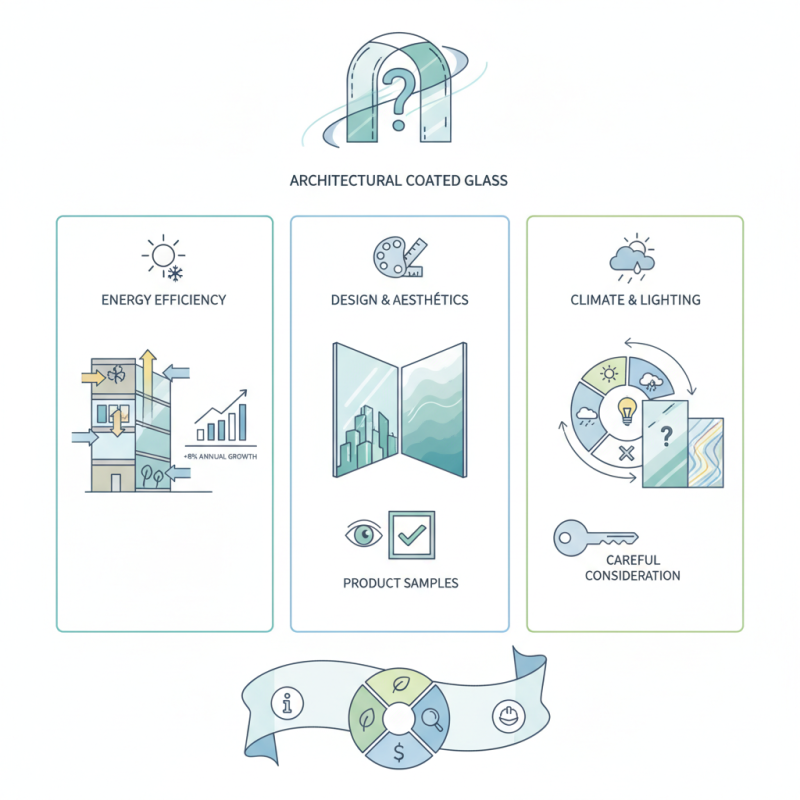
Choosing the right Ar Ag Af Coated Glass is crucial for any architectural project. This specialized glass offers unique benefits, particularly in energy efficiency. According to the latest market reports, demand for coated glass is projected to grow by 8% annually. This reflects a significant rise in its application across various sectors.
When selecting the right type of coated glass, consider its thermal performance and aesthetic appeal. Ar Ag Af Coated Glass not only reduces energy costs but also enhances designs through its reflective properties. Some industry experts argue that while this glass can improve building efficiency, it may not cater to every design need.
Potential drawbacks exist. For example, certain coatings can lead to undesirable color distortions. Hence, reviewing product samples becomes essential for decision-making. Understanding how different coatings interact with climate and lighting can prevent costly mistakes. Careful consideration is key when opting for Ar Ag Af Coated Glass in your projects.
Understanding the Basics of Ar Ag Af Coated Glass
AR, AG, and AF coated glass are essential materials for many projects. Understanding their differences can help you make the right choice. AR (Anti-Reflective) coating minimizes reflections. This is useful for displays and windows. It enhances clarity and allows more light to pass through. If you want vibrant colors, AR is the way to go.
AG (Anti-Glare) coating reduces glare from direct light. This makes it ideal for screens and work surfaces. The texture diffuses light, improving visibility. It's an excellent option for outdoor use or bright environments. However, AG coatings can sometimes feel less smooth. This might affect the tactile experience.
AF (Anti-Fingerprint) coating is designed to resist smudges and fingerprints. It’s particularly effective for touchscreen devices. While it keeps surfaces cleaner, it’s not foolproof. Some marks may still appear, causing frustration. Choosing the right coating requires considering your specific needs. Each option has its advantages and drawbacks. Ensure you reflect on how these different coatings impact your project.
Evaluating the Specific Needs of Your Project
Choosing the right AR, AG, or AF coated glass starts with understanding your project's specific needs. Think about the environment where the glass will be installed. Will it face direct sunlight? Is the area prone to scratches or smudges? Consider how these coatings can enhance durability and performance in your setting.
Reflecting on aesthetics is also crucial. The visual impact of the glass can greatly influence the overall design. Different coatings offer various levels of clarity and gloss. Decide if the priority is perfect transparency or enhanced glare reduction. This choice will affect how light interacts with the space.
Engaging with professionals can provide insights, but don't hesitate to research independently. Sometimes, the ideal solution isn't clear. For example, a highly reflective coating might look appealing but could hinder visibility. Mistakes can lead to costly re-evaluations. A thoughtful approach will help you select the perfect coated glass for your project.
Comparing Different Types of Coatings and Their Benefits
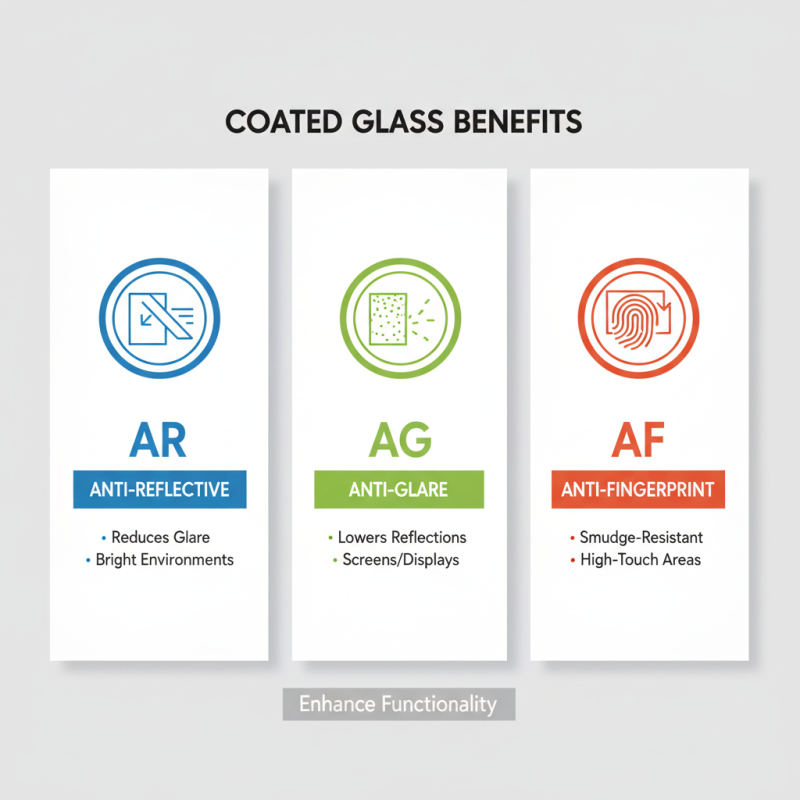
When selecting Ar, Ag, or Af coated glass for your project, understanding the coatings' benefits is crucial. Each type of coating serves a unique purpose, providing various advantages to enhance functionality. AR (anti-reflective) coatings, for instance, significantly reduce glare. This is particularly useful in environments with bright lighting. AG (anti-glare) coatings lower reflections, making them preferable for screens. AF (anti-fingerprint) coatings provide a smudge-resistant surface, ideal for high-touch areas.
Tips: Consider your specific needs before choosing a coating. Think about where the glass will be used. If it's for a display, AR might be best. For outdoor applications, AG may be more suitable. If high traffic is a concern, an AF coating can save time on cleaning.
Another important aspect is the aesthetics. These coatings can alter the appearance of glass. AR coatings can make surfaces more transparent, while AG coatings can create a satin finish. Evaluate how these changes fit into your design vision. It’s essential to reflect on what matters most—functionality or style. Balancing both is often a challenge but can lead to outstanding results.
Factors to Consider When Selecting Coated Glass
When selecting coated glass for your project, several key factors come into play. One must consider the specific performance requirements. For instance, Ar, Ag, and Af coatings differ in their reflective properties. According to industry reports, approximately 50% of energy loss in buildings results from windows. Choosing the right glass can help mitigate this loss effectively.
Another critical aspect is aesthetics. The coating can influence how much light enters a space. It can also affect the color and clarity of the glass. Some coatings can enhance the visual appeal while improving functionality. As a result, aspiring architects and designers often face dilemmas regarding their choices.
Tip: Always request samples to see how coatings react with natural light in your environment. Verify their thermal properties and durability under various conditions.
Keep in mind, the available options can be overwhelming. Not all coatings perform well in all climates. Some might offer excellent insulative properties but poor visibility. Doing thorough research or consulting with a professional can prevent costly mistakes in the long run.
Tip: Analyze the specific climate conditions where the glass will be installed. Unique environments may require specialized coatings. Being informed will lead to better choices.
Consulting Professionals for Expert Advice in Glass Selection
Choosing the right Ar Ag Af coated glass for your project can be daunting. Consulting professionals is vital. They offer insights that can save you time and money. Experts understand the various coatings and how they perform in different environments. Their knowledge can guide your selection process effectively.
Tips for selecting coated glass include asking specific questions. What is the main function of your glass? Is it for aesthetics or performance? Understanding your needs narrows down options significantly. Do not hesitate to consult a professional when in doubt. They can highlight features that you may overlook.
When discussing with experts, be clear about your project's goals. Are you focused on energy efficiency? Or is safety more important? Remember, a conversation may reveal choices you hadn’t considered. Engaging in a deeper dialogue about your needs can lead to better outcomes. Don’t assume you know everything, as new information can change your perspective.


 Phone
Phone Send Email
 whatsapp
 Facebook