How to Choose the Best Cover Lens for Your Display?
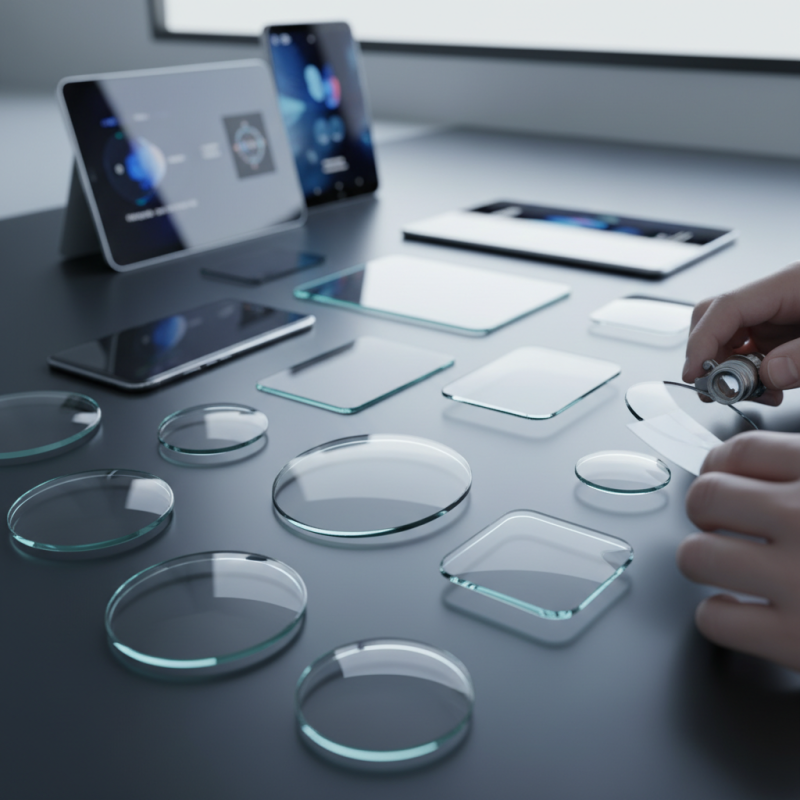
Choosing the right cover lens for display can significantly impact your device's performance. Not all cover lenses are created equal. The best cover lens for display should enhance visibility and protect the screen from scratches and damage.
Consider factors such as material quality and thickness. A well-made lens can improve clarity and reduce glare. It's also essential to think about the specific display type you have. A cover lens that works for one device may not suit another.
Consult experts or read reviews before making a decision. Some users overlook these details, leading to regrets later. Investing time in research will help you find the ideal cover lens for your display needs.
Understanding the Importance of Cover Lenses for Displays
Cover lenses are vital for safeguarding electronic displays. They not only protect against scratches and impacts but also reduce glare and enhance visibility. A study by Research and Markets reveals that the global cover lens market is projected to grow at a CAGR of 6.5% through 2026. This growth showcases the increasing demand for high-quality display solutions across various sectors, including smartphones, tablets, and industrial screens.
When selecting a cover lens, consider significant factors such as material and thickness. Glass lenses offer superior scratch resistance but can be heavier. Polycarbonate lenses are lighter and more impact-resistant. Each material has its pros and cons depending on the display's application. Users often overlook these details. Choosing the wrong lens can lead to display degradation.
Tip: Always test the lens with your specific display. This will ensure proper compatibility. Examine how the lens affects brightness under various lighting. Clear visibility is essential for a user-friendly experience.
Additionally, the lens should accommodate touch sensitivity without compromising functionality. Many users report delayed response times with inferior lenses. Selecting a high-quality cover lens can prevent these frustrating issues. Prioritize quality over cost to ensure longevity. Investing in the right cover lens is crucial for maintaining display performance and enhancing user experience.
Types of Cover Lenses: Material and Coating Options
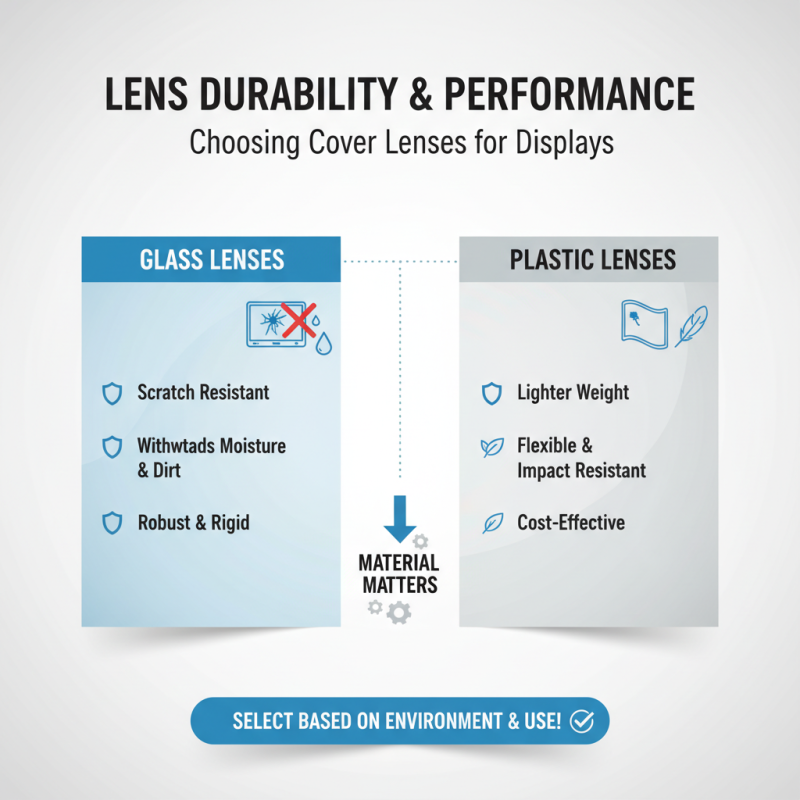
Choosing the right cover lens for a display is crucial. It affects clarity, durability, and overall user experience. When considering materials, glass and plastic are the primary options. Glass lenses provide superior scratch resistance and clarity. However, they can be heavier and more fragile. Plastic lenses are lighter and shatter-resistant, making them ideal for portable devices, but can scratch more easily.
Coatings further enhance lens performance. Anti-reflective (AR) coatings improve visibility by reducing glare. This is especially important in bright environments. On the other hand, oleophobic coatings repel fingerprints and smudges, keeping the lens clean longer. Some coatings even offer UV protection, which can help preserve the display underneath.
Selecting the best combination of materials and coatings hinges on your specific needs. Users often overlook the impact of environmental factors, like humidity or sun exposure. A heavier lens may offer more durability, but it could also affect the device's weight and usability. This balance of durability and practicality is essential for a well-functioning display.
Factors to Consider When Selecting a Cover Lens
Choosing the right cover lens for your display is a critical decision. It can impact both functionality and user experience. Start by assessing the environment where the display will be used. Will it be in direct sunlight? If so, you need a lens with anti-reflective properties. High durability is also essential for outdoor settings. A lens with scratch resistance will protect against wear and tear.
Consider the optical clarity required for your application. Displays used for detailed graphics or video content demand high-quality lenses. Look for materials that minimize distortion. Thickness matters too; a thicker lens might offer better durability but can add weight. Evaluate how easy it is to clean the lens and maintain its clarity. Remember, a clean lens ensures the best display output.
Affordability can't be ignored. High-quality lenses can be costly, but cheap options can lead to poor performance. Research different materials and coatings to find the right balance. Keep in mind that sometimes what seems like a good deal may not deliver the quality needed. Test samples if possible, and reflect on your choices carefully. Your display deserves the best protection and clarity.
Evaluating Lens Durability and Performance
When selecting a cover lens for your display, durability is essential. A sturdy lens can withstand environmental challenges, such as moisture and dirt. The material of the lens significantly impacts its resilience. Glass lenses often offer better scratch resistance than plastic ones. However, plastic lenses are lighter and may provide more flexibility, which can be beneficial in certain settings.
Performance is equally important. Lenses must transmit light effectively to maintain display clarity. Look for lenses that reduce glare without compromising brightness. Pay attention to optical coatings, as they can improve performance by enhancing clarity and reducing reflections. Consider how the lens performs under different conditions. Outdoor environments can pose significant challenges, such as UV exposure and temperature variations.
It’s crucial to address potential weaknesses in your chosen lens. Not all lenses adapted for one setting will perform well in another. Some may cloud or degrade faster than expected. Regular evaluations can help ensure that you select a cover lens that matches your specific display needs and conditions.
Installing and Maintaining Your Chosen Cover Lens
Installing a cover lens requires careful attention. Start with a clean surface. Ensure the display is free of dust and smudges. Any debris can affect adhesion. Use a microfiber cloth for best results. When you're ready, align the lens perfectly before pressing down. A misalignment can lead to a poor user experience.
After installation, maintenance is crucial. Regularly inspect the cover lens for scratches or dirt. A simple wipe with a soft, damp cloth can keep it clear. Avoid harsh chemicals. Over time, you may notice wear. It's important to assess whether replacement is necessary. A worn lens reduces visibility and may cause frustration.
Be open to feedback from users. If they report visibility issues, take it seriously. Reflect on how the lens performs. Document any problems and solutions. This practice enhances reliability and professionalism in the long run. Each installation deepens understanding of best practices.
Comparison of Cover Lens Materials for Displays


 Phone
Phone Send Email
 whatsapp
 Facebook