How to Choose the Right Safety Glass for Your Needs?
Choosing the right safety glass is crucial for protection in various settings. Whether you're working in construction, laboratories, or welding, safety glass shields your eyes from debris, chemicals, and harmful rays. With numerous options available, making an informed choice can be overwhelming.
When selecting safety glass, consider the specific risks you face. For instance, polycarbonate lens offer superior impact resistance, while laminated glass provides excellent UV protection. It's essential to know the standards that safety glass must meet. Compliance with ANSI and ISO ensures its reliability, making safety a priority.
Reflect on the environments you'll encounter. Some may require anti-fog features, while others need scratch resistance. Evaluate your personal comfort as well. Ill-fitting safety glasses can compromise protection and focus during work. In the end, the right safety glass not only enhances safety but also allows you to perform tasks without distraction.
Understanding the Different Types of Safety Glass Available
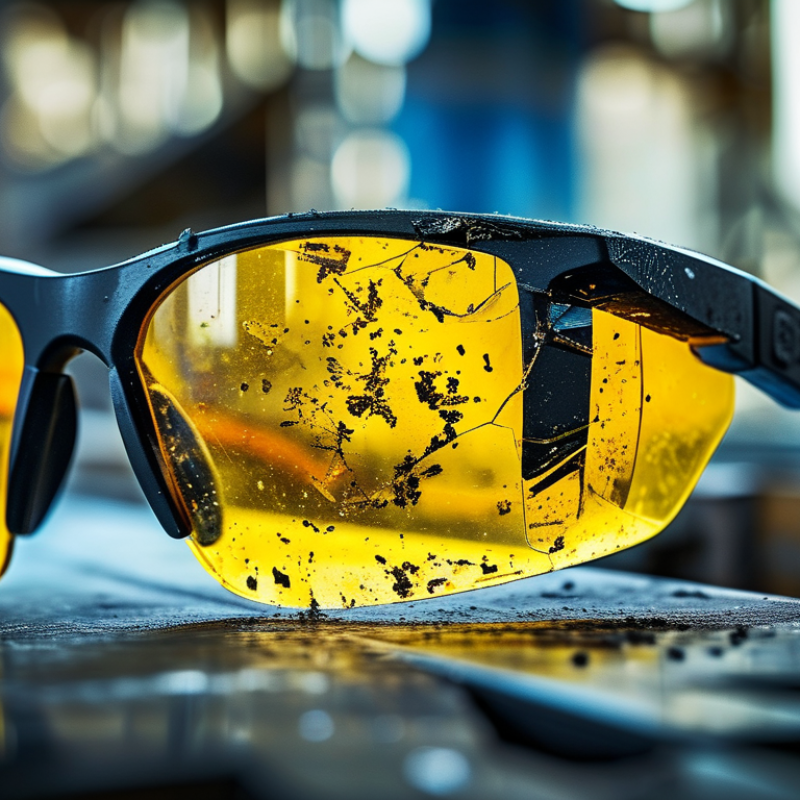
When selecting safety glass, it's essential to understand the various types available to meet your specific needs. Safety glass can be classified mainly into tempered glass and laminated glass.
Tempered glass undergoes a heating and cooling process that strengthens it, making it shatter-resistant. Data from the Glass Association indicates that tempered glass can be up to five times stronger than standard glass. This strength is crucial in environments where glass panels are subjected to impact.
Laminated glass consists of interlayered materials between sheets of glass. This configuration holds shards together when broken, minimizing injury risk. Research by the Glass and Glazing Federation points out that laminated glass reduces the likelihood of injuries by over 80% in accident scenarios. While both types offer protection, the choice may depend on specific situations. For instance, tempered glass is suitable for high-impact areas, whereas laminated glass is ideal for safety in commercial settings where falling debris is a concern.
It's worth noting that not all safety glass is perfect. Over time, even laminated or tempered glass can degrade. Factors like UV exposure and environmental conditions affect their longevity. Regular maintenance and inspection are crucial. Knowledge of your environment’s needs and potential risks can guide your choice. Ultimately, ensuring the right fit for your requirements can significantly enhance safety.
Identifying Your Specific Safety Needs and Requirements
Selecting the right safety glasses begins with identifying your specific needs. Safety glasses vary widely in their construction and intended use. A report by the National Institute for Occupational Safety and Health (NIOSH) states that nearly 2,000 eye injuries occur each day in the workplace. Many of these injuries could be prevented with proper eye protection. Failing to assess your environment may expose you to unnecessary risks.
Consider the environment where you’ll be using the glasses. Factors such as dust, chemicals, or flying debris play a vital role. Data from the Bureau of Labor Statistics highlights that about 70% of eye injuries occur in workers not wearing any eye protection. This underlines the importance of choosing safety glasses suited to your job tasks.
Lens types also matter. Polycarbonate lenses are lightweight and impact-resistant, ideal for construction work. Reports suggest that nearly 90% of eye injuries could be avoided with appropriate eyewear. Reflecting on your specific requirements can prevent costly mistakes. Not every pair is suitable for all situations. Make sure to evaluate your needs carefully.
Assessing the Compliance with Safety Standards and Regulations
When choosing safety glasses, compliance with safety standards is crucial.
Various organizations, such as ANSI (American National Standards Institute) and OSHA (Occupational Safety and Health Administration), set regulations to ensure eye protection.
According to a report by the Vision Council, 90% of workplace eye injuries could be prevented with the proper eyewear.
This statistic underscores the importance of selecting glasses that meet these stringent standards.
Understanding lens materials is vital. Polycarbonate lenses are lightweight and highly resistant to impact.
They often meet ANSI Z87.1 standards, which require safety eyewear to provide adequate protection against various hazards.
Users should always verify that the glasses have the appropriate markings indicating compliance.
Tips: Check for labels that indicate safety compliance.
Seek recommendations from safety experts or industry reports. Wearing the right glasses is not just a preference; it is essential for safety.
Users must regularly assess the condition of their eyewear.
Damaged lenses can impede visibility and compromise safety.
Regular inspections can prevent this oversight.
Evaluating the Lens Features and Coatings for Enhanced Protection
When choosing safety glasses, lens features play a critical role. You should consider the type of material used in the lenses. Polycarbonate lenses are lightweight and impact-resistant, making them a popular choice for various environments. If you work in areas with high UV exposure, lenses with UV protection are essential. They can help prevent long-term eye damage.
Coatings also enhance lens performance. Anti-fog coatings are vital for workers in humid environments or who wear them for extended periods. This feature keeps your vision clear and prevents frustration. Scratch-resistant coatings prolong the life of your safety glasses. A small scratch can impede vision, leading to potential hazards.
While features are important, reflect on your specific needs. Different tasks demand different levels of protection. For instance, you may find that polarized lenses reduce glare effectively if you work outdoors. However, they might not suit indoor environments. Always test out various options to determine what works best for you. Finding the right combination of features helps you stay protected without compromising clarity.
Safety Glass Lens Features and Coatings Comparison
This chart illustrates the effectiveness of various lens features and coatings in providing protection against impacts and UV rays.
Considerations for Comfort and Fit When Selecting Safety Glass
When selecting safety glasses, comfort and fit are essential. Poorly fitting glasses can lead to distractions during work. A study from the American National Standards Institute (ANSI) suggests that about 70% of workers reported discomfort with their eyewear, which impacted their job performance. A proper fit can enhance productivity and safety.
It's crucial to assess the shape of your face. Different face shapes require different frame styles. Try on various models to find one that rests securely without pinching or sliding. Additionally, opt for adjustable components, such as temple arms, to ensure a more personalized fit. According to the Vision Council, nearly 60% of users prefer glasses with adjustable features for their versatility.
Tips for comfort: Choose lenses that block harmful rays effectively. Integrated anti-fog coatings can enhance visibility, especially in humid environments. Don't overlook weight; lighter glasses are typically more comfortable for long durations. Always consider the material; polycarbonate lenses are easier to wear and provide excellent impact resistance. Finding the right balance of comfort and protection is vital in safety eyewear.
How to Choose the Right Safety Glass for Your Needs? - Considerations for Comfort and Fit When Selecting Safety Glass
| Criteria |
Description |
Importance Level (1-5) |
| Lens Material |
Polycarbonate is lightweight and impact-resistant while tempered glass offers optical clarity. |
5 |
| Fit and Comfort |
Look for adjustable features and a snug fit to reduce slippage during use. |
4 |
| Lens Coating |
Anti-fog and scratch-resistant coatings enhance visibility and durability. |
4 |
| UV Protection |
UV-blocking lenses protect eyes from harmful rays during outdoor use. |
5 |
| Weight |
Lightweight designs provide comfort during extended wear without fatigue. |
3 |
| Style |
Choose a style that suits your work environment and personal preference to encourage usage. |
3 |


 Phone
Phone Send Email
 whatsapp
 Facebook