How to Choose Ultra Clear Glass for Your Projects?
When embarking on a project that requires glass, the choice of material can significantly impact the overall outcome. One popular option is "Ultra Clear Glass." This type of glass offers exceptional clarity and minimal color distortion. It is perfect for various applications, from display cases to modern architecture. However, selecting the right ultra clear glass involves careful consideration.
Understanding the specific needs of your project is crucial. Different applications may require varying levels of thickness and strength. Additionally, not all ultra clear glass is the same; manufacturers may have different quality standards. Evaluating the credibility of suppliers is vital to ensure you receive authentic ultra clear glass.
Quality and application should guide your selection process, but challenges may arise. You may encounter varying prices, and differentiating between products can be daunting. Reflecting on your priorities—whether it's cost, aesthetics, or durability—can help you make a more informed decision. Ultimately, the best choice balances your project’s requirements with reliable, high-quality materials.
Understanding Ultra Clear Glass and Its Benefits
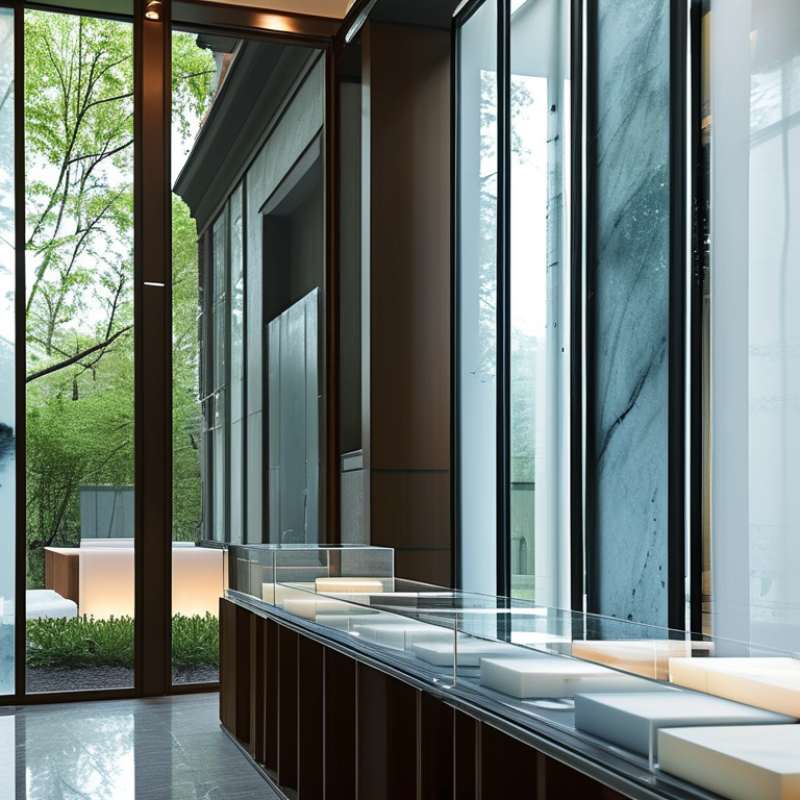
When considering ultra clear glass for your projects, it's essential to understand its unique benefits. Ultra clear glass offers superior transparency and reduced green tint compared to standard glass. This feature enhances natural light in any space, making interiors feel more open and inviting. The clarity of ultra clear glass is perfect for showcasing artwork or displays, ensuring that colors and details remain vibrant and true to life.
In choosing ultra clear glass, consider the thickness to match your project’s requirements. Thicker glass provides greater durability, while thinner options can complement delicate designs. Not every application needs the highest grade. For less critical uses, consider a standard clear glass that meets your aesthetic needs without the added cost.
Think about the installation process as well. Ensure your framework supports the added weight of ultra clear glass. If not properly supported, it may lead to safety concerns. While the allure of ultra clear glass is evident, it requires mindful consideration during planning. Reflect on whether the investment aligns with your project's vision and budget constraints.
Key Factors to Consider When Choosing Ultra Clear Glass
Choosing ultra clear glass involves several critical factors. Clarity is essential. High-grade ultra clear glass minimizes distortion and enhances visibility. Look for glass with a low iron content. This type of glass offers superior transparency, making it ideal for display cases and architectural applications.
Thickness is another significant consideration. Thicker glass provides added strength and durability. It resists breakage and supports larger structures. Evaluate the thickness based on your project's specific requirements. A balance between aesthetics and functionality is key.
Tips for selecting ultra clear glass: Check for certifications and quality standards. Reliable suppliers will provide test results indicating glass quality. Consider the glass's edge finish. Polished edges not only improve safety but also enhance the overall appearance. If you’re unsure, consult with industry experts to ensure you make informed decisions. Ensure installation methods and tools match the glass type for optimal results.
Types of Ultra Clear Glass Available for Various Applications
When considering ultra-clear glass, it's important to understand the various types available. Float glass is a common choice due to its smooth surface and transparency. It is ideal for windows and display cases where clarity matters. Laminated glass, made by sandwiching a layer of plastic between two glass panes, offers safety. This type is suitable for areas needing additional protection and sound insulation.
Another option is tempered glass. It's heat-treated for strength. This glass is perfect for shower doors and glass railings. It shatters into small pieces, reducing the risk of injury. Coated ultra-clear glass is also available. It reflects less light, making it popular in architectural applications where aesthetics matter.
Choosing the right type can be daunting. Each type has its pros and cons. It's essential to consider the intended use carefully. For instance, while float glass offers unmatched clarity, it lacks the strength needed for high-impact applications. Sometimes, achieving the perfect balance between clarity and functionality requires careful thought. You may find yourself questioning which type truly meets your project's demands.
Maintenance and Care Tips for Ultra Clear Glass Projects
Ultra clear glass can elevate any project, but caring for it requires some mindful practices. For best results, regular cleaning is essential. Use a soft microfiber cloth to avoid scratches. Gentle glass cleaners work wonders, but avoid ammonia-based products, as they can damage the surface over time.
Humidity and dust are the enemies of ultra clear glass. In humid environments, glass can accumulate moisture. This may lead to streaks or undesirable marks. Try to maintain a balanced indoor climate. Regular dusting can also keep glass clear, preventing the buildup of grime that could tarnish its shine.
Handling ultra clear glass poses its challenges. It’s critical to use both hands while moving it. This helps prevent slips and accidents. Small chips or cracks can appear if glass is not stored properly. Consider placing anti-slip pads underneath when stacking pieces. Reflecting on these practices can lead to better maintenance and longevity of your ultra clear glass projects.
Common Mistakes to Avoid When Selecting Ultra Clear Glass
When selecting ultra clear glass, many overlook crucial aspects. A common mistake is focusing solely on aesthetics. While clarity is vital, physical properties must not be ignored. For instance, strength and durability are equally important factors. According to industry data, up to 40% of glass breakage occurs due to inadequate strength for specific applications.
Another issue is not considering the installation environment. Ultra clear glass used in humid areas requires treatments to prevent fogging or condensation. Research indicates that nearly 30% of projects fail due to improper environmental considerations. This oversight can lead to costly replacements and dissatisfaction.
Many professionals underestimate the importance of supplier expertise. Relying on low-cost options may impact quality. A study found that 25% of construction delays are linked to material issues. Always prioritize reputable suppliers who offer knowledge about ultra clear glass properties. Their insights can help you make informed choices and avoid regret down the line. Make careful assessments, and ensure your decisions align with the specific needs of your project.


 Phone
Phone Send Email
 whatsapp
 Facebook