What is Fire Resistant Glass and How Does It Work?
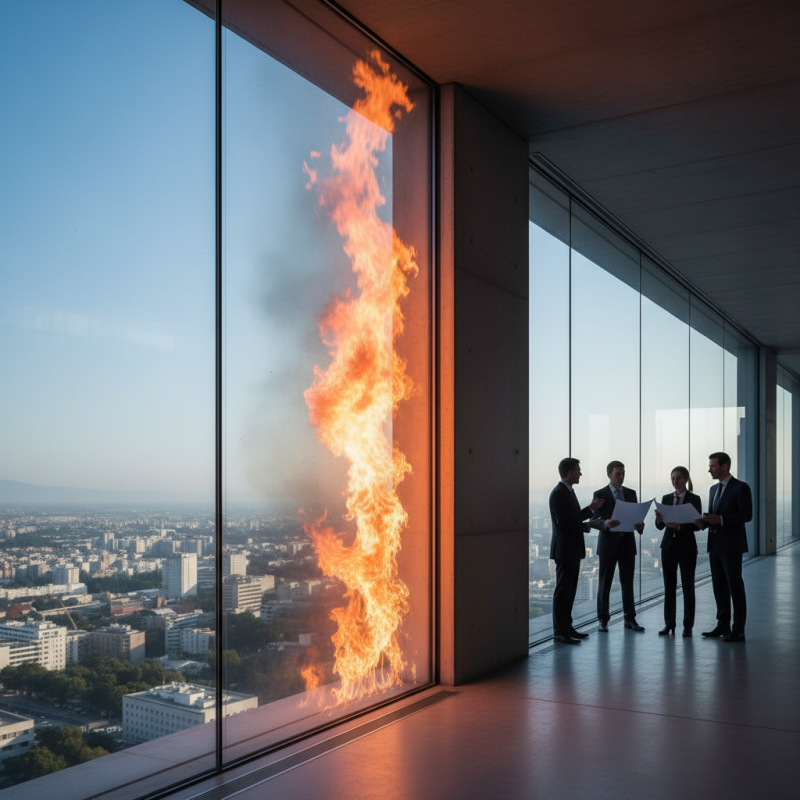
Fire-resistant glass plays a crucial role in modern architecture and safety. It is designed to withstand high temperatures and prevent the spread of flames. This type of glass is often used in buildings to protect lives and property. However, not all fire-resistant glass is created equal.
Many factors influence its effectiveness. The thickness, type, and installation can all impact performance. Additionally, while this glass can resist fire, it is not entirely fireproof. Misconceptions about its capabilities can lead to dangerous situations.
Understanding fire-resistant glass is essential for any construction project. Selecting the right type makes a difference in safety and compliance. As architects innovate, they must remember the limitations and risks. Fire-resistant glass is a remarkable achievement, but it requires thoughtful implementation.
Definition of Fire Resistant Glass and Its Importance
Fire resistant glass is essential in modern architecture. This specialized glass can withstand high temperatures and
prevent the spread of flames. It plays a vital role in maintaining safety in buildings. When installed correctly,
it can protect lives and property during a fire.
The importance of fire resistant glass cannot be overstated. It serves as a barrier against smoke and heat. In many cases,
it can buy valuable time for evacuation. This type of glass is often found in commercial buildings, schools, and hospitals.
People’s lives depend on its effectiveness.
Tip: Always ensure the glass meets local safety standards.
Check for certifications before installation.
In addition to safety, fire resistant glass enhances aesthetics. It can be clear or tinted, allowing for design flexibility.
However, some might struggle with the balance between beauty and safety. Remember, not all glass that looks good is safe against fire.
Tip: Consult a professional when designing spaces with glass.
Proper installation is critical for functionality.
Ultimately, fire resistant glass protects against unexpected hazards. Its role is to save lives in emergencies.
The decision to use this technology can depend on various factors, including building codes and design needs.
Balancing these aspects can be challenging but necessary for a secure environment.
Types of Fire Resistant Glass and Their Applications
Fire resistant glass plays a crucial role in enhancing safety in various constructions. There are several types, each serving distinct purposes. Tempered glass is a common choice. It undergoes thermal treatment, allowing it to withstand high temperatures. This type can resist fire for up to an hour. When installed in doors or windows, it slows down the spread of flames.
Another popular option is laminated fire resistant glass. It features multiple layers of glass and interlayers. This design provides not only fire resistance but also sound insulation. Reports indicate that it can withstand exposure to flames for over two hours. This makes it suitable for schools, hospitals, and high-rise buildings. Many designers are recognizing its aesthetic appeal along with its safety features.
Bullet-resistant glass can also be categorized under fire resistant options. It combines various materials to offer protection against both fire and ballistic threats. While great for security, it is often more expensive and adds weight. Some projects may find it challenging to incorporate due to these factors. Balancing safety with structural integrity remains a constant challenge for architects.
Fire Resistant Glass Types and Their Applications
How Fire Resistant Glass is Made: The Manufacturing Process
Fire resistant glass is engineered to withstand high temperatures and prevent the spread of flames and smoke. The manufacturing process of this specialized glass is quite intricate. It typically begins with the fusion of certain raw materials, which include silica and various oxides. These components are heated to extreme temperatures. It transforms into a molten state.
Once molten, the glass is carefully shaped and cooled. This cooling process must be controlled. Rapid cooling can introduce weaknesses. After this, additional layers may be laminated to enhance fire resistance. These layers contain materials that expand when exposed to heat, creating a barrier against flames. However, creating the perfect balance in layers can be challenging. Sometimes, manufacturers must revisit the formulation multiple times to ensure quality and reliability.
Another aspect of production involves testing various prototypes. Each prototype undergoes rigorous fire resistance tests. These tests reveal the glass's capacity to endure extreme conditions. In some cases, the results may fall short of expectations, leading to adjustments in the design or materials. This trial-and-error approach is crucial for innovation. Ultimately, the goal is to produce glass that offers optimal safety and performance during fires.
Testing Standards and Certifications for Fire Resistant Glass
Fire resistant glass plays a crucial role in modern construction. It is designed to withstand high temperatures and prevent the spread of flames and smoke. Testing standards ensure that this glass meets specific safety criteria. The most recognized standards include ASTM E119 and EN 13501. These protocols evaluate how long glass can resist fire while maintaining integrity.
According to industry reports, glass that meets these standards can last from 30 to 120 minutes under fire conditions. This range is critical for allowing safe evacuation during emergencies. The National Fire Protection Association emphasizes the need for such materials in buildings. Fire resistant glass can be integral to fire doors, windows, and facades.
Despite advancements, not all fire resistant glass performs equally. Data shows variations in thermally insulating properties. Some products are prone to thermal shock, impacting their longevity. Furthermore, transparency can be compromised in lower-quality glass. Continuous testing and certification are essential. Manufacturers must adhere to stringent guidelines to ensure safety and performance. This is a developing field, requiring ongoing research and improvement.
The Role of Fire Resistant Glass in Building Safety and Compliance
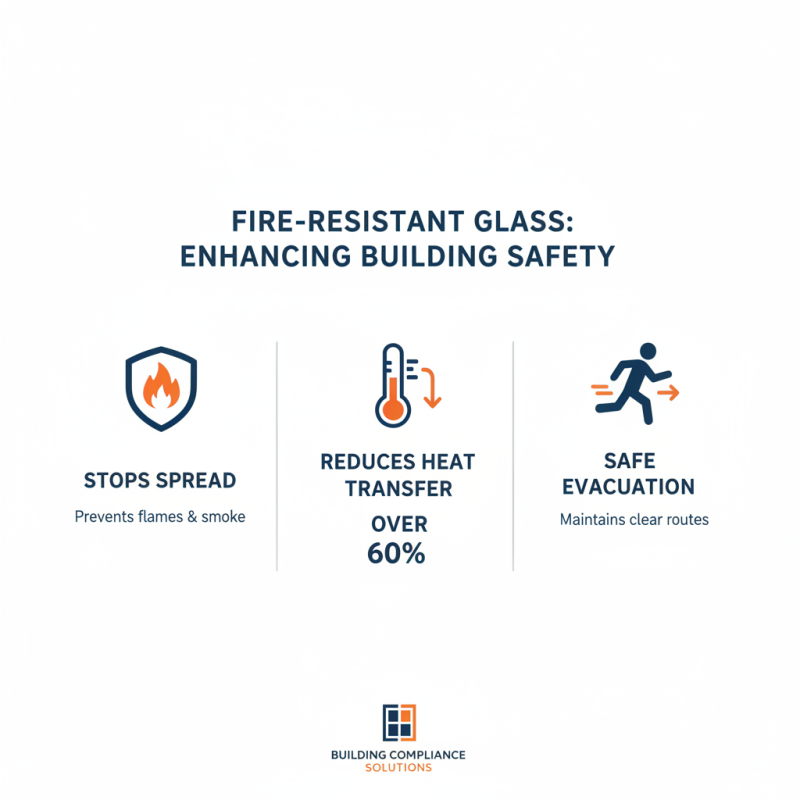
Fire resistant glass plays a crucial role in enhancing building safety and ensuring compliance with fire regulations. This specialized glass is designed to withstand high temperatures, preventing the spread of flames and smoke. According to recent industry reports, buildings with fire resistant glass can reduce heat transfer by over 60%. This is significant for maintaining safe evacuation routes during a fire.
Moreover, many jurisdictions now mandate the use of fire resistant glass in critical areas of commercial buildings. For example, it can be essential in fire-rated walls or partitions. The glass is tested according to standards such as BS 476-22 and EN 1364-1, ensuring it meets safety requirements. However, not all fire resistant glass is created equal. Users must be aware of varying performance levels and certifications.
While the benefits of fire resistant glass are clear, challenges remain. Installation can be complex, and improper fitting may lead to vulnerabilities. Additionally, maintaining clarity can be an issue; some types may cloud over time. Awareness and education on these aspects are essential for effective safety compliance in modern architecture.


 Phone
Phone Send Email
 whatsapp
 Facebook