What is Fto Glass and How Does it Benefit Your Business?
Fto Glass is transforming the landscape of modern business. Companies that embrace this innovative material gain a competitive edge. With its unique properties, Fto Glass ensures superior performance in a variety of applications.
Using Fto Glass can enhance energy efficiency significantly. Its coating allows for better heat management. Businesses can reduce energy costs while improving sustainability. This is crucial in today’s environmentally conscious market. Moreover, the durability of Fto Glass means less frequent replacements. This can save money in the long run. However, some may find the initial investment daunting.
Moreover, Fto Glass enhances aesthetic appeal. Its clarity and sleek design can attract customers. But, there are challenges in integrating this material into existing products. Companies need to adapt their processes. The transition may require time and resources. Still, the potential benefits are worth considering. Taking a reflective approach can help address these hurdles. Adopting Fto Glass may well be a step forward for many businesses.

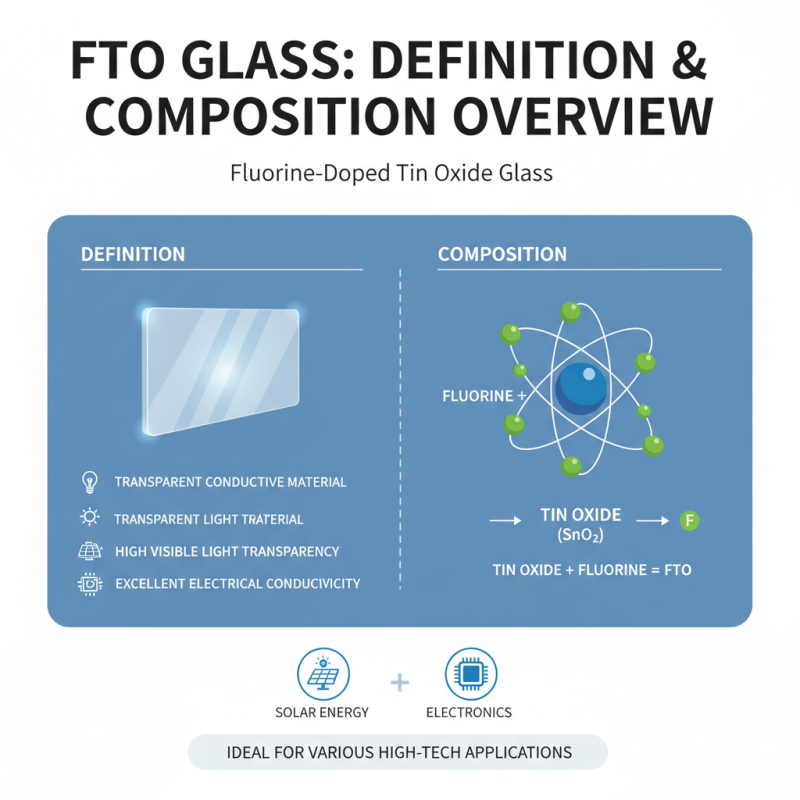
What is FTO Glass: Definition and Composition Overview
FTO glass, or fluorine-doped tin oxide glass, is a transparent conductive material mainly composed of tin oxide and fluorine. Its unique properties make it an ideal choice for various applications. The composition allows for high electrical conductivity while maintaining excellent transparency to visible light. This makes it particularly valuable in fields like solar energy and electronics.
The benefits of using FTO glass are notable for businesses looking to innovate. Its conductive nature supports the development of advanced photovoltaic cells. These cells can convert sunlight into electricity more efficiently. Additionally, FTO glass resists chemical corrosion. This durability enhances its usability in harsh environments and extends the lifespan of devices that utilize it.
While FTO glass offers many advantages, it is essential to consider its limitations. The manufacturing process can be costly. Not all applications require the specific properties of FTO glass, leading to wasted resources. Companies must weigh these factors carefully. They should assess their actual needs before investing in this potent material.
Key Properties of FTO Glass That Enhance Its Industrial Applications
FTO glass, or fluorine-doped tin oxide glass, is gaining popularity in various industrial applications. One of its key properties is high transparency in the visible light spectrum. This allows efficient light transmission, making it ideal for solar cell production. The superior conductivity of FTO glass enhances energy conversion rates, boosting overall performance.
Another notable property is its chemical stability. FTO glass can withstand harsh environmental conditions. This durability makes it a dependable choice for outdoor applications. Its surface can be easily cleaned, which is essential for maintaining functionality over time.
Moreover, FTO glass is also effective in anti-reflective coatings. This feature reduces glare and enhances visibility in various lighting conditions. However, it is important to consider the cost implications for your business. The initial investment might be substantial. Balancing quality with price often requires careful reflection on your specific needs. Ultimately, the benefits of FTO glass can outweigh the challenges if applied thoughtfully.
Key Properties of FTO Glass That Enhance Its Industrial Applications
Market Demand for FTO Glass: Trends and Growth Projections
FTO glass, or fluorine-doped tin oxide glass, is witnessing significant market demand. The global market for FTO glass is projected to grow at a CAGR of over 6% from 2023 to 2030, driven by advancements in solar energy and transparent conductive materials. Industry reports indicate that the push for renewable energy solutions is a major factor in this growth.
In 2022, the solar energy sector accounted for approximately 40% of the total market for FTO glass. As manufacturers seek efficient, cost-effective materials, FTO glass has become essential for thin-film solar cells. Moreover, increasing interest in smart windows is further propelling the demand. According to a recent market analysis, the trend toward energy-efficient building designs will likely increase the use of FTO glass in architecture.
Some challenges exist. The high cost of raw materials can create barriers to entry for manufacturers. This complexity requires companies to innovate continuously and find more affordable solutions. The market is not without its uncertainties. However, as the focus on sustainability intensifies, FTO glass remains a critical component for future advancements in technology and energy efficiency.
How FTO Glass Improves Energy Efficiency in Solar Technologies
FTO glass, or fluorine-doped tin oxide glass, is gaining traction in the solar technology sector. It plays a crucial role in enhancing energy efficiency. Recent studies indicate that the use of FTO glass in photovoltaic cells can improve their efficiency by up to 5%. This enhancement can significantly impact overall energy production, making solar systems more economically viable.
The transparent conductive layer provided by FTO glass allows for better light transmission. It also minimizes energy losses that typically occur in traditional materials. The high conductivity of FTO helps in reducing the resistance, ensuring that more energy is harvested from sunlight. In areas where sunlight is abundant, this characteristic can lead to substantial gains.
However, not all solar applications benefit equally from FTO glass. Factors such as geographical location and environmental conditions can influence its effectiveness. For instance, in regions with heavy pollution, the benefits might not be as pronounced. Continuous research is essential to address these inconsistencies and optimize the use of FTO glass in various solar technologies. Balancing its advantages with potential limitations will determine future innovations in energy-efficient solutions.
What is Fto Glass and How Does it Benefit Your Business? - How FTO Glass Improves Energy Efficiency in Solar Technologies
| Feature |
Description |
Benefits for Solar Technology |
| Conductivity |
FTO glass has excellent transparent conductive properties. |
Enhances the efficiency of solar panels by allowing more light absorption. |
| Durability |
Resistant to heat and mechanical stress. |
Increases the lifespan of solar technologies, reducing replacement costs. |
| Cost-Effectiveness |
Can be produced at a relatively low manufacturing cost. |
Reduces overall production costs of solar panels, increasing profitability. |
| Environmental Impact |
Made from abundant natural resources, minimal environmental footprint. |
Supports sustainable energy initiatives, improving brand image. |
| Application Versatility |
Can be used in various solar technologies and applications. |
Provides flexibility in design and technology integration. |
Case Studies: Successful Implementations of FTO Glass in Various Industries
FTO glass, or fluorine-doped tin oxide glass, has emerged as a valuable asset across various industries. For example, in the solar energy sector, FTO glass is used in photovoltaic cells. Case studies show that this type of glass enhances light transmission, leading to improved energy absorption. Many companies report a significant uptick in efficiency after implementing FTO glass in their solar panels.
In the electronics industry, FTO glass serves as a conductive backing for touchscreens. By adopting this solution, manufacturers experience better touch sensitivity. However, not all implementations have been flawless; companies sometimes struggle with integration processes. The learning curve can be steep; hence, thorough planning is critical for success.
Tips: When considering FTO glass for your business, assess your specific needs carefully. A trial run can help identify potential pitfalls. Collaborate with experts who understand the technology. Their expertise can guide you through the adjustment phase and ensure optimal results. Avoid rushing into decisions without understanding the product’s limitations.


 Phone
Phone Send Email
 whatsapp
 Facebook