Glass Deep Processing Trends at the 139th Canton Fair?
At the 139th Canton Fair, industry trends spotlight "Glass Deep Processing." This sector is vital for modern construction and advanced manufacturing. Experts emphasize its growing influence. Dr. John Smith, a noted specialist in glass engineering, remarked, “Innovation in Glass Deep Processing will define the future of architecture.”
Recent advancements in technology enhance efficiency and creativity. Companies increasingly adopt smart solutions for glass processing. The use of AI in procurement at the Fair streamlines supplier selection. Buyers can quickly locate qualified vendors. This trend points to a more automated future. However, there are challenges. Some manufacturers struggle to keep up with rapid changes.
Moreover, the focus on sustainability raises questions. The glass industry must balance innovation with environmental responsibility. As companies embrace Glass Deep Processing, they need to reflect on their practices. Efficiency is essential, yet sustainability cannot be overlooked. The future of glass depends on these vital discussions.
Trends in Glass Deep Processing at the 139th Canton Fair
The 139th Canton Fair showcased various trends in glass deep processing. Many exhibitors displayed innovative designs. Light-transmitting glass products caught attention. They are lightweight yet durable. This trend reflects a growing focus on sustainability in manufacturing.
Tips: Look for suppliers who prioritize eco-friendly practices. Consider sourcing materials that reduce environmental impact.
Another noticeable trend was the integration of smart technology. Smart glass, which can change opacity, impressed many visitors. This advancement offers privacy at the touch of a button. However, the cost remains a barrier for many consumers.
Tips: Evaluate your budget before investing in advanced glass solutions. Understand the long-term benefits versus the initial costs.
Moreover, custom designs emerged as a popular preference. Buyers sought unique shapes and finishes. Individuality is becoming increasingly important in interior design. While customization adds flair, it often leads to longer lead times. This might frustrate some clients.
Tips: Communicate clearly with manufacturers about deadlines. Ensure you set realistic expectations with your clients.
Glass Deep Processing Trends at the 139th Canton Fair
Innovations in Glass Design and Technology Showcased at the Fair
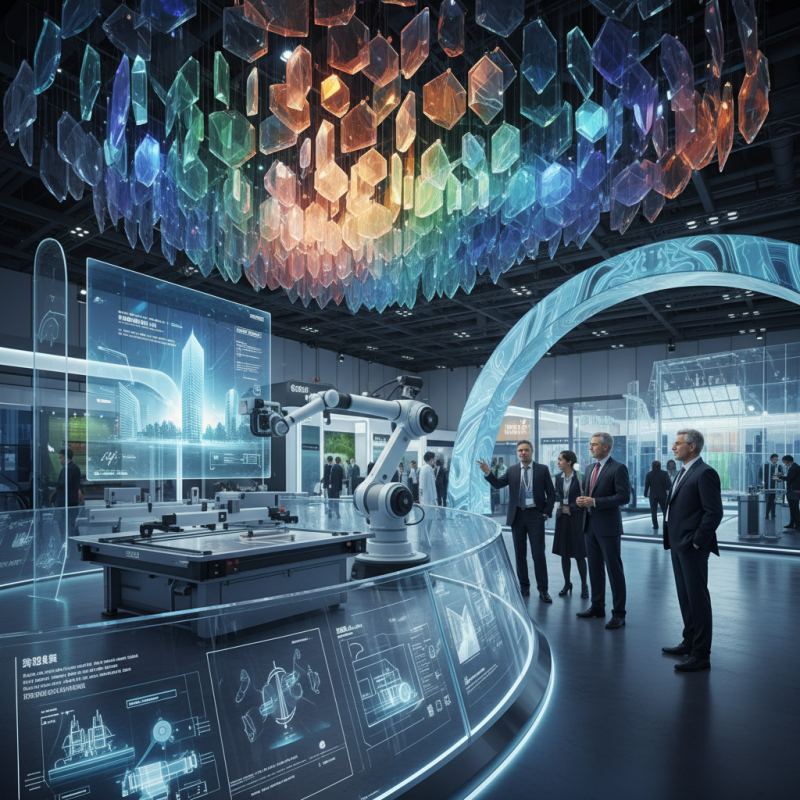
The 139th Canton Fair showcased remarkable innovations in glass design and technology. Exhibitors presented stunning glass artworks that combined elegance and functionality. Visitors were captivated by intricate glass patterns and vibrant colors. Many pieces reflected contemporary art trends while embracing traditional craftsmanship.
Technology played a crucial role in these innovations. Enhanced processing techniques allowed for precise shaping and finishing of glass. Automation in production also caught the eye, promising increased efficiency. However, some exhibitors struggled with the perfect balance between aesthetics and practicality. The challenge of maintaining durability while pushing creative boundaries was evident.
Sustainable practices were a focal point at the fair. Many designs incorporated recycled materials, promoting environmental responsibility. Yet, some attendees questioned the scalability of these practices. Can we truly embrace sustainability in mass production? The conversations sparked at the fair revealed a mix of excitement and skepticism about the future of glass design.
Market Demands Influencing Glass Processing Techniques
At the 139th Canton Fair, glass deep processing exhibited notable trends shaped by market demands. The increasing need for energy-efficient solutions is driving manufacturers to explore advanced glass techniques. For example, insulating glass units are gaining traction due to their thermal performance. The emphasis on sustainability urges companies to reconsider their processing methods.
Many processing techniques, like tempering and laminating, are evolving. These changes reflect the desire for enhanced safety and durability. However, some manufacturers face challenges in adopting these new technologies. The cost of innovation can be prohibitive. Additionally, the skills gap in the workforce complicates matters.
Industry players must also respond to design trends. Architects and designers seek versatile glass products. They want materials that blend functionality with aesthetics. This demand pushes manufacturers to develop unique surface treatments and finishes. Yet, the balance between creativity and practicality remains a concern. Not all companies are equipped to meet these increasingly sophisticated requests. The tension between market pressures and operational capabilities is palpable.
Sustainability Practices in Glass Deep Processing
The 139th Canton Fair has highlighted a significant shift towards sustainability in the glass deep processing sector. Recent reports indicate that nearly 72% of industry players are adopting eco-friendly practices. This marks a growing awareness of environmental impact among manufacturers. For instance, innovative recycling methods have emerged. These techniques utilize discarded glass to create new products, reducing waste significantly.
Water conservation is another key focus. In fact, around 65% of companies are implementing water-saving technologies. These efforts are vital, given that glass production traditionally requires large water inputs. However, challenges remain. Some firms report compliance difficulties with sustainability regulations. This inconsistency leads to varied sustainability practices across the industry.
Energy efficiency is also a priority. Many companies are investing in renewable energy sources to power their operations. A recent study shows that energy-efficient processes reduce carbon emissions by up to 30%. However, there remains a gap in transparency regarding energy sources. More industry-wide collaboration is needed to address these concerns effectively. As the sector advances, ongoing reflection on these issues will be crucial for meaningful change.
Networking Opportunities for Industry Professionals at the Fair
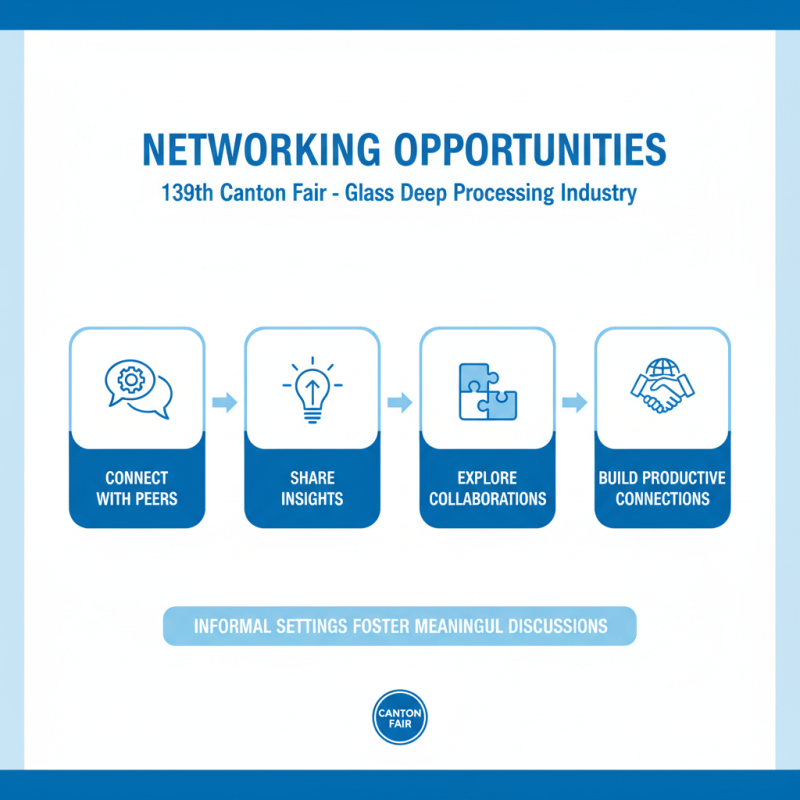
The 139th Canton Fair presents a unique chance for professionals in the glass deep processing industry to connect. Networking is key in this rapidly evolving sector. Attendees can engage with peers, share insights, and explore collaborative opportunities. The fair offers informal settings that can spark meaningful discussions. A lively environment cultivates productive connections.
Within the bustling aisles, it’s easy to overlook the significance of personal interactions. Many professionals focus solely on product showcases. Yet, genuine conversations often lead to unexpected partnerships. Casual chats can reveal trends and challenges faced by others. Perhaps embracing this dynamic approach can yield beneficial outcomes.
This event acts as a hub for exchanging ideas, but active participation is vital. Attendees should be open to new perspectives and feedback. Reflection on one’s approach to networking could uncover missed opportunities. Engaging authentically can enhance one’s experience at the fair and foster lasting relationships within the industry.


 Phone
Phone Send Email
 whatsapp
 Facebook