Why is Lighting Glass Important for Interior Design?
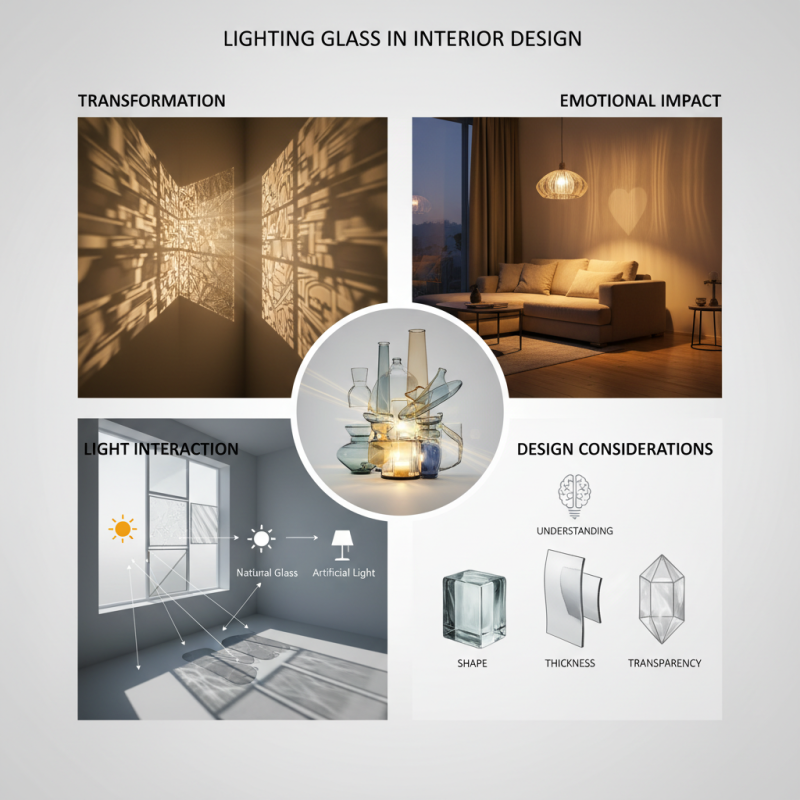
Lighting Glass plays a crucial role in interior design. It can transform a space, adding elegance and depth. Renowned lighting designer, Jane Smith, once stated, “The right glass illuminates a room and elevates its character.” This underscores the importance of choosing the right materials.
Consider the way light refracts through various types of Lighting Glass. Each piece can cast unique shadows and highlights, creating an inviting atmosphere. However, not every designer fully understands how to use it. Often, they overlook the emotional impact of light in a room. It’s essential to reflect on how Lighting Glass interacts with natural and artificial light.
Choosing the right type of Lighting Glass is not straightforward. Designers must consider shape, thickness, and transparency. Mistakes can lead to poor aesthetics or functionality. An effective design demands careful selection and a deep understanding of how light works. Ultimately, Lighting Glass is more than a material; it is a vital element that shapes our experiences in interior spaces.
The Role of Lighting in Interior Aesthetics
Lighting plays a pivotal role in shaping interior aesthetics. It influences mood, highlights design features, and sets the ambiance of any space. Proper light can transform a dull room into a vibrant environment. For instance, soft lighting in a cozy nook creates a warm feeling and invites relaxation. Harsh, bright lights can feel sterile and unwelcoming, diminishing the beauty of your carefully curated space.
Consider the color of your light. Warm tones can enhance wooden elements. Cool tones may elevate modern designs. Mixing these can yield intriguing results. However, it's essential to avoid overdoing it. Too many light sources can clutter a room visually. Placement matters, too. Lighting from above can wash out textures, while focused lights sketch shadows that add depth. Experimenting is key, but be mindful of balance.
Natural light also holds importance in interior design. It highlights colors and textures in real-time. Windows should be framed thoughtfully to maximize this benefit. Yet, reliance on natural light alone can lead to inconsistency, especially in evening hours. Therefore, a hybrid approach often yields the best results, creating dynamic environments throughout the day. Reflect on your choices and consider how they affect the overall vibe.
Understanding Different Types of Lighting Glass
Lighting glass plays a crucial role in interior design. It enhances aesthetics and influences mood. Various types of lighting glass can transform a space. Here are some common types.
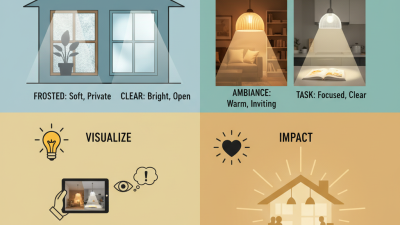
Frosted glass diffuses light softly. It creates a warm ambiance while offering privacy. This type of glass works well in bathrooms or office spaces. It allows light to flow yet obscures clear sight.
Clear glass, on the other hand, provides an unobstructed view. It enhances transparency and openness. However, it can be stark and reflective. This can create unwanted glare.
Colored glass is another exciting option. It introduces vibrant hues into a room. Depending on the light source, colors may change. This can evoke different emotions. While captivating, it might clash with other design elements if not chosen carefully.
Each type of lighting glass serves a purpose and comes with its own sets of challenges. Balancing aesthetics and functionality can be tricky. Always consider the intended atmosphere for the best results.
How Lighting Glass Influences Mood and Atmosphere
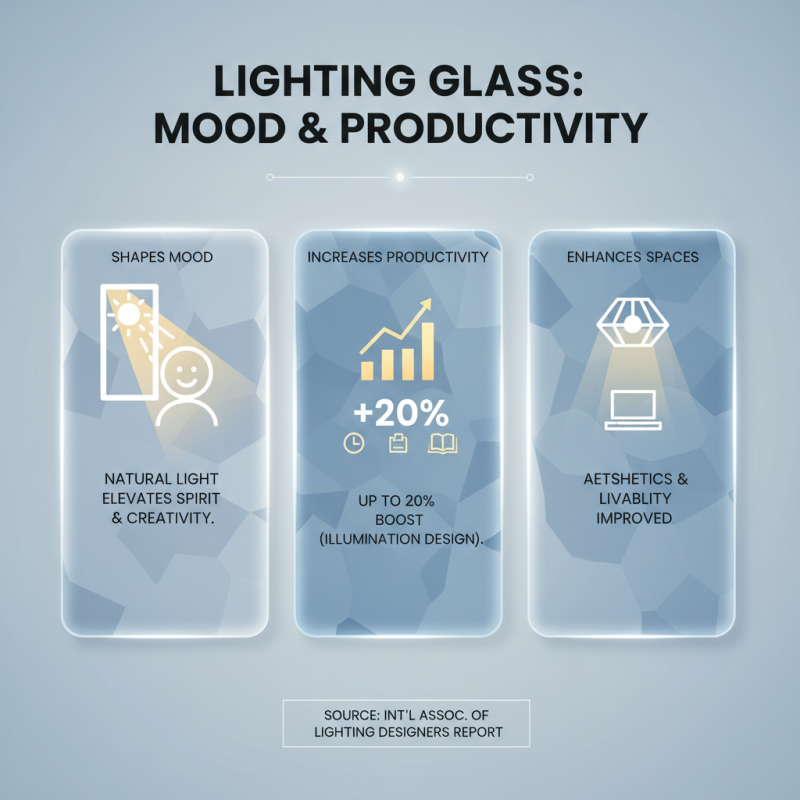
Lighting glass plays a crucial role in shaping the mood and atmosphere of interior spaces. According to a report by the International Association of Lighting Designers, appropriate lighting can increase productivity by up to 20%. The use of glass in lighting design enhances not only the aesthetics but also the livability of a space. When natural light passes through glass, it creates an ambiance that elevates the spirit and inspires creativity.
Incorporating lighting glass can transform a dull room into a vibrant one. For instance, frosted glass diffuses light softly, creating a calming effect. Clear glass fixtures allow maximum light flow, making spaces feel larger and brighter. However, careful consideration is essential. Overly bright lighting can lead to discomfort and eye strain. Balance is key when selecting glass lighting elements.
Tip: Choose textured glass for a unique visual appeal while reducing glare.
Don't forget to experiment with different types of glass. Colored glass can impart warmth or coolness, influencing emotional responses. A recent study suggested that color temperature affects mood. Warm colors promote relaxation, while cool colors enhance focus. Understand your goals and choose lighting glass accordingly, but remember, too much of a good thing can overwhelm a space. Employing restraint with glass lighting can lead to stunning yet comfortable designs.
Design Considerations When Choosing Lighting Glass
Choosing the right lighting glass can transform any space. It influences mood and ambiance. Different shapes and textures provide unique effects. For example, frosted glass softens light and creates a cozy feel. Clear glass, on the other hand, adds elegance and brightness. Consider how each type interacts with your decor.
Think about color as well. Colored glass can set a tone. A deep blue might evoke calmness, while vibrant red energizes a room. Be mindful of how these choices work with wall colors and furnishings. Lighting glass should complement, not clash.
Don’t forget about functionality. The glass should be easy to clean and maintain. However, some glass types might show fingerprints easily. Reflect on what works best for your lifestyle. Each decision shapes your space. Ensure your choices reflect personal style and practical needs.
Why is Lighting Glass Important for Interior Design? - Design Considerations When Choosing Lighting Glass
| Dimension |
Description |
Importance |
| Material |
The type of glass used (e.g., clear, frosted, colored) |
Affects light diffusion and aesthetic appeal |
| Finish |
Surface treatment (e.g., polished, matte) |
Influences the reflection and absorption of light |
| Color |
Tint or hue of the glass |
Can create mood and ambiance in a space |
| Size |
Dimensions of the glass piece |
Impacts light coverage and visual balance |
| Shape |
Form of the glass (e.g., round, square) |
Affects the overall design motif and lighting effect |
| Transparency |
Amount of light passed through |
Determines how much natural light enters |
Innovative Trends in Lighting Glass for Modern Interiors
Lighting glass has become a significant trend in modern interior design. Its versatility allows for unique expressions of style. From frosted glass fixtures to colored glass accents, the options are limitless. These materials can create an inviting atmosphere in any space. The interplay of light with glass adds a mesmerizing quality to interiors.
One innovative trend is the use of sculptural lighting glass. Designers are experimenting with organic shapes that mimic nature. These pieces draw attention and spark conversation. They serve as functional art, transforming the mundane into the extraordinary. However, balancing functionality and aesthetics can be challenging. Some designs might look stunning but fail to provide adequate lighting.
Another emerging trend is the integration of smart technology with lighting glass. This innovation offers customizable lighting experiences. Users can adjust brightness and color easily. While this is exciting, it raises questions about reliance on technology. Will the charm of traditional lighting be lost? Reflecting on these aspects is crucial. The journey of lighting glass in interiors is ongoing and full of potential.


 Phone
Phone Send Email
 whatsapp
 Facebook