What is Non Glare Glass and How Does it Benefit You?
Non-Glare Glass has gained popularity in various industries. This type of glass reduces reflections and improves clarity. According to a report by Smith & Associates, roughly 75% of users prefer Non-Glare Glass for its less distracting qualities. In settings like museums and galleries, glare can disrupt viewer engagement. Non-Glare Glass is essential for preserving the integrity of artwork and artifacts.
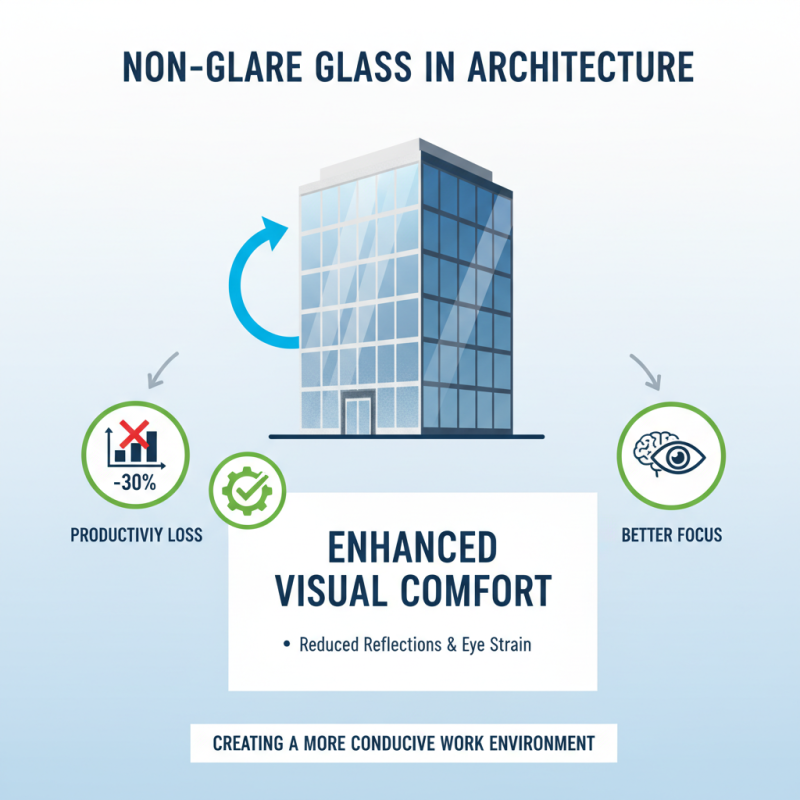
In office environments, this glass helps reduce eye strain. Data from a recent survey shows that employees report 40% less eye fatigue when using screens with Non-Glare Glass. Yet, some individuals are unaware of these benefits. They might still choose standard glass, disregarding potential discomfort. The choice between glare and clarity is critical in today’s visual-centric world.
Despite its advantages, Non-Glare Glass is not a one-size-fits-all solution. Some might still notice slight visual distortions. Each user should weigh these factors carefully. Balancing aesthetics and functionality is key when selecting glass options. Understanding these nuances can lead to better decisions for both professional and personal use.
What is Non Glare Glass?
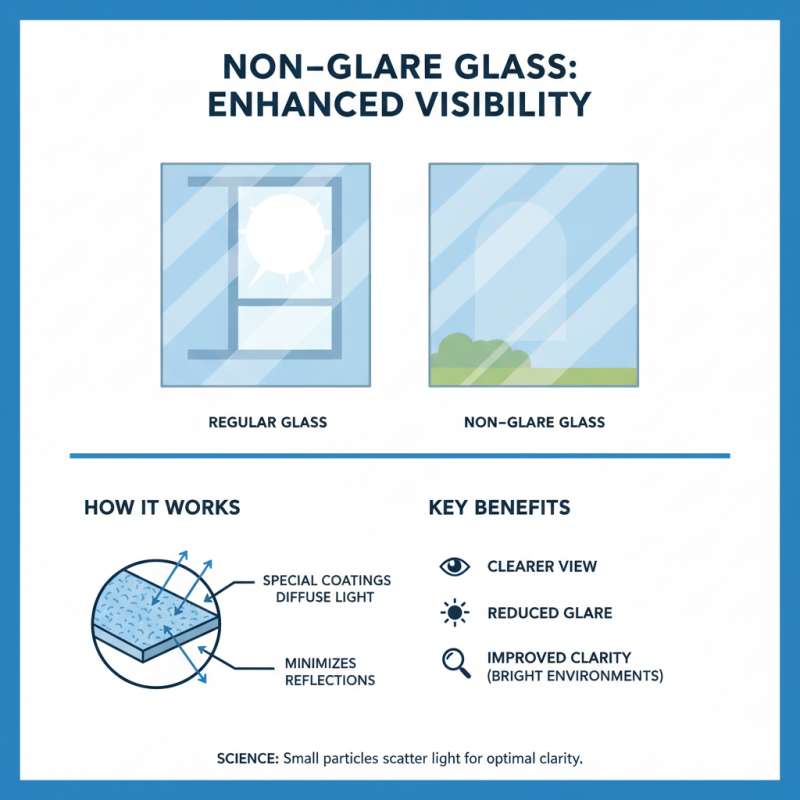
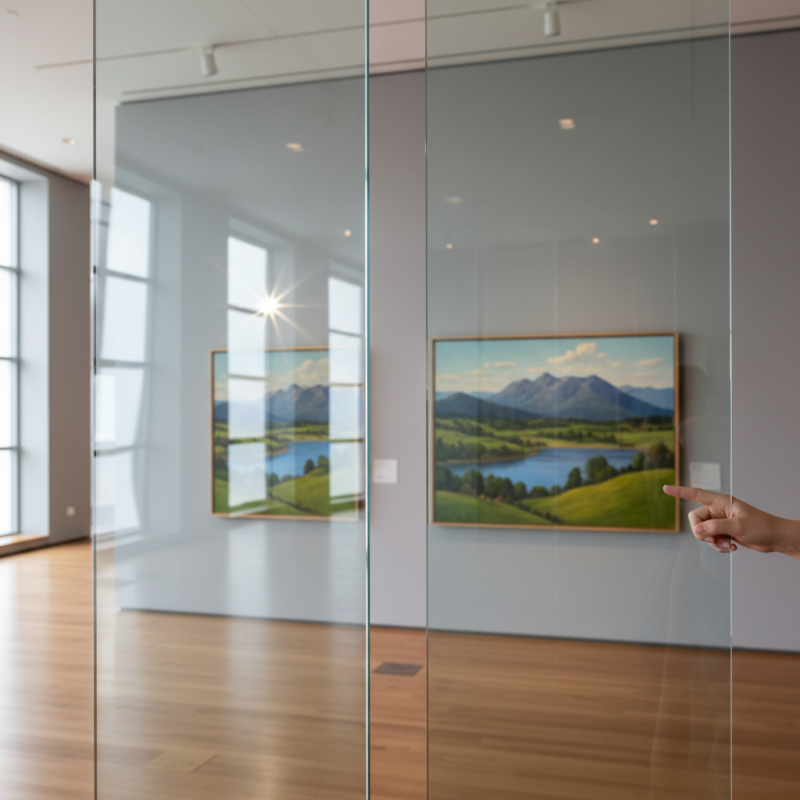
Non-glare glass, often referred to as anti-reflective glass, is designed to reduce unwanted reflections. This unique type of glass minimizes glare from light sources. It is commonly used in settings where visibility is crucial, such as art galleries and museums. Imagine standing in front of a masterpiece without distracting reflections. The artwork stands out beautifully.
This glass works by treating its surface to diffuse light rather than reflect it. This process enhances clarity and contrast, making colors more vibrant. Non-glare glass is not just for display cases. It can be used in windows, picture frames, and screens. In offices, it improves screen visibility, reducing eye strain during long periods of work.
One potential downside is that non-glare glass can be more expensive than standard glass. The specialized coating may require careful cleaning to maintain its effectiveness. Some users may also feel it slightly changes the way objects appear. This might make some hesitate in fully embracing it. However, the benefits often outweigh these challenges in enhancing visual experiences.
The Science Behind Non Glare Coatings
Non glare glass has become popular for its ability to enhance visibility. This type of glass features special coatings that reduce reflections. The science behind these coatings is fascinating. They work by diffusing light, which minimizes glare. When light hits the surface, small particles scatter it in various directions. This scattering effect helps to create a clearer view, especially in bright environments.
In practical terms, non glare glass can make a big difference. Think about working on a computer near windows. The reflections can be distracting. Non glare coatings help reduce this issue. Instead of battling with reflections, your focus shifts back to your screen. However, it's important to note not all non glare glass is the same. Some may not provide the expected level of clarity. Users should consider their specific needs.
The application of non glare glass isn't limited to screens. It can be found in picture frames and displays. Personalizing these items with non glare features enhances the overall experience. Yet, one might wonder about the trade-offs. While glare reduction is beneficial, it might alter colors slightly. Being aware of these nuances can help you appreciate the benefits more fully.
Benefits of Using Non Glare Glass in Daily Life
Non-glare glass provides a distinct advantage in daily life. By reducing reflections, it enhances visibility. This can be particularly useful in homes and offices. Reading books or viewing artwork becomes easier without the annoying glare. Imagine a sunny afternoon, where the light usually distracts. Non-glare glass eliminates this, offering a serene visual experience.
Another benefit is its impact on screens. Many people spend hours in front of devices. Non-glare glass minimizes eye strain, making long sessions more comfortable. It can be used in picture frames or on monitors. The clear view allows for better focus and productivity. However, it is essential to recognize that non-glare glass can be less sharp in low-light settings. Users should think about the lighting when using it.
In living spaces, non-glare glass can enhance decor while providing functionality. It blends well with various styles, creating a modern touch. Yet, it can sometimes be challenging to clean. Fingerprints and dust are more visible. This requires regular maintenance to keep it looking pristine. Balancing aesthetics and upkeep is part of the experience.
Comparing Non Glare Glass with Standard Glass Options
Non-glare glass has become a popular choice in various settings, particularly for artwork and photography displays. Unlike standard glass, non-glare glass features a special coating that diffuses light. This helps reduce reflections significantly. According to a report from the Optical Society, glare can impede visibility by up to 50% in brightly lit areas. Non-glare options often mitigate this issue effectively, allowing for a clearer view.
When comparing non-glare glass with standard glass, the differences in user experience are notable. Standard glass reflects light, creating distracting highlights. This can distort colors and details. A survey conducted by the Art Institute found that 80% of artists preferred non-glare glass for framing their work. They reported improved viewer engagement and satisfaction. However, non-glare glass can sometimes appear less vivid in darker environments, which might be a concern for certain presentations.
Additionally, the durability of non-glare glass is often questioned. While it typically offers better protection against scratches and fading, the coating can be susceptible to wear over time. Users may notice a reduction in effectiveness after several years. It's essential for consumers to weigh these factors before making a choice. The investment in non-glare glass might yield better results for most situations, despite its potential shortcomings.


 Phone
Phone Send Email
 whatsapp
 Facebook