Top Benefits of Self-Cleaning Glass Technology for Homes in 2025
As we step into 2025, the evolution of home technology continues to transform our living spaces, making them more convenient and efficient. Among the advancements leading this charge is Self-Cleaning Glass, a groundbreaking innovation that not only enhances aesthetic appeal but also significantly reduces the time and effort required for maintenance. Homeowners are increasingly seeking solutions that align with a modern lifestyle, and Self-Cleaning Glass stands out as a remarkable answer to the age-old challenge of keeping windows and glass surfaces spotless.
The concept of Self-Cleaning Glass is rooted in advanced materials science and engineering, utilizing innovative coatings that harness the power of sunlight and rainwater. This technology not only repels dirt and grime but also actively breaks down organic contaminants, ensuring a clearer view and improved natural light flow within homes. As we explore the top benefits of Self-Cleaning Glass technology, it becomes evident that this advancement is not just a luxury but rather an essential upgrade for the contemporary home. From reducing the frequency of cleaning to enhancing energy efficiency, Self-Cleaning Glass is poised to revolutionize how we perceive cleanliness and maintenance in our daily lives.
Advantages of Self-Cleaning Glass Technology in Modern Homes
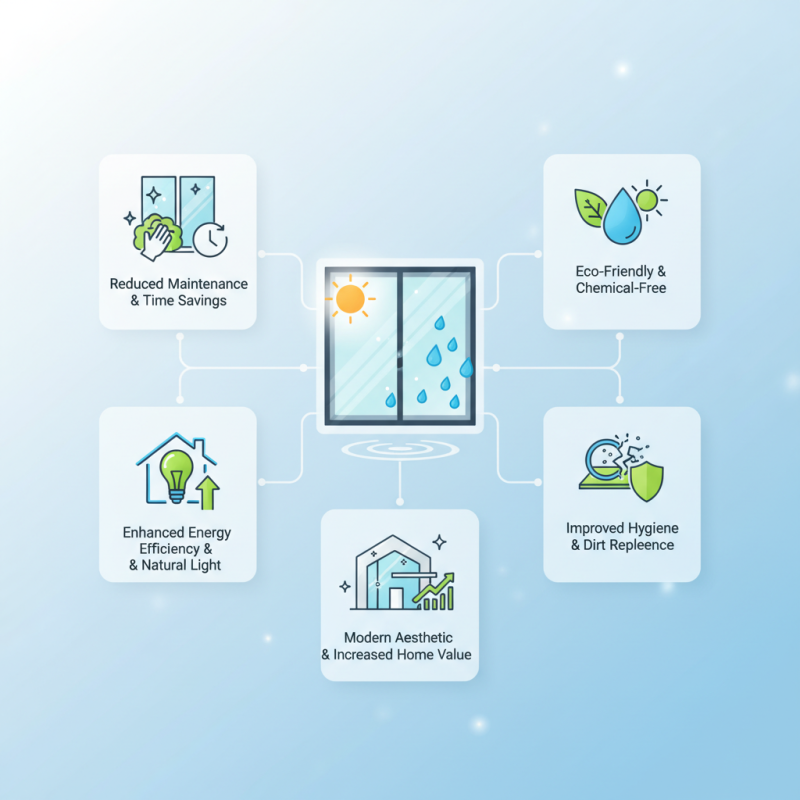
Self-cleaning glass technology is rapidly becoming a staple in modern home design, offering a plethora of advantages for homeowners looking to enhance convenience and aesthetics. According to recent industry reports, the self-cleaning glass market is expected to grow at a CAGR of 25% through 2025, highlighting the increasing adoption of this innovative technology. One of the primary benefits is its ability to reduce maintenance time and effort. Traditional window cleaning can be a labor-intensive task, especially for hard-to-reach areas. Self-cleaning glass features a hydrophilic coating that allows dirt and grime to wash away effortlessly with rainwater, leading to significant time savings for homeowners.
Moreover, self-cleaning glass significantly contributes to energy efficiency in modern homes. A study from the National Renewable Energy Laboratory indicates that incorporating such glass can improve natural light penetration while minimizing heat gain. This results in lower energy consumption for artificial lighting and climate control, promoting a more sustainable lifestyle. Additionally, with increased UV protection, self-cleaning glass helps in preserving the interior furnishings of homes, further enhancing the longevity of home decor and finishes. As energy costs continue to rise, these factors will likely make self-cleaning glass more appealing and beneficial for homeowners seeking both practicality and efficiency.
Top Benefits of Self-Cleaning Glass Technology for Homes in 2025
| Benefit |
Description |
Impact on Homeowners |
Estimated Cost Savings |
| Reduced Cleaning Time |
The self-cleaning feature minimizes the need for manual cleaning. |
Less time spent on maintenance. |
Up to 30% savings on cleaning costs. |
| Improved Aesthetics |
Keeps glass surfaces clear, enhancing home appearance. |
Higher property value due to better curb appeal. |
Potential increase in home value by 5%. |
| Environmental Benefits |
Reduces the need for harsh cleaning chemicals. |
Contributes to a healthier living environment. |
Long-term savings on cleaning products. |
| UV Protection |
Filters out harmful UV rays, protecting furnishings. |
Increased longevity of interior décor. |
Reduction in replacement costs for furnishings. |
| Safety and Durability |
Self-cleaning glass can be stronger than standard glass. |
Increased safety and longevity of glass installations. |
Reduced costs associated with glass replacement. |
Environmental Benefits of Self-Cleaning Glass in 2025
Self-cleaning glass technology is emerging as a significant breakthrough for homeowners looking to lessen their environmental impact. By utilizing advanced coatings that harness sunlight and rain, this innovative glass reduces the need for harsh chemical cleaning agents, which can be harmful to both ecosystems and indoor air quality. With growing awareness of sustainability, the adoption of self-cleaning glass is expected to rise dramatically in 2025, making homes not only cleaner but also greener.
One of the best tips for homeowners considering this upgrade is to focus on placement. Installing self-cleaning glass in areas that typically accumulate dirt and grime, such as windows and patio doors, maximizes its benefits. Additionally, pairing this technology with energy-efficient windows can lead to notable reductions in energy consumption for heating and cooling.
Moreover, regular maintenance becomes a breeze with self-cleaning glass, giving homeowners more time to enjoy their spaces rather than worrying about upkeep. It's beneficial to combine this technology with smart home systems that monitor environmental conditions, enabling a more proactive approach to home maintenance. As we head towards 2025, the integration of self-cleaning glass will not only enhance your home’s aesthetics but also contribute positively to the environment.
Cost Efficiency and Maintenance Reduction with Self-Cleaning Glass
Self-cleaning glass technology is rapidly transforming the landscape of home maintenance, especially as we approach 2025. This innovative solution not only enhances the aesthetic appeal of residential properties but also significantly reduces maintenance costs. According to a report by the International Glass Association, incorporating self-cleaning glass can lead to a reduction in cleaning frequency by up to 90%. Homeowners are no longer burdened with routine cleaning tasks, allowing them to allocate both time and funds towards other essential maintenance activities or personal pursuits.
Cost efficiency is a notable advantage of self-cleaning glass. A study conducted by the Building Research Establishment highlights that while the initial investment may be higher than traditional glass, the long-term savings from reduced cleaning labor and the longer lifespan of the glass itself can result in an overall cost saving of up to 30% over a 10-year period. This technology utilizes advanced coatings that facilitate the breakdown of dirt and grime through natural processes, such as sunlight exposure and rainwater. As homeowners look for practical solutions to maintenance, self-cleaning glass stands out not only for its convenience but also for the economic benefits it offers, making it a smart choice for modern residences.
Health and Safety Improvements Through Self-Cleaning Glass Technology
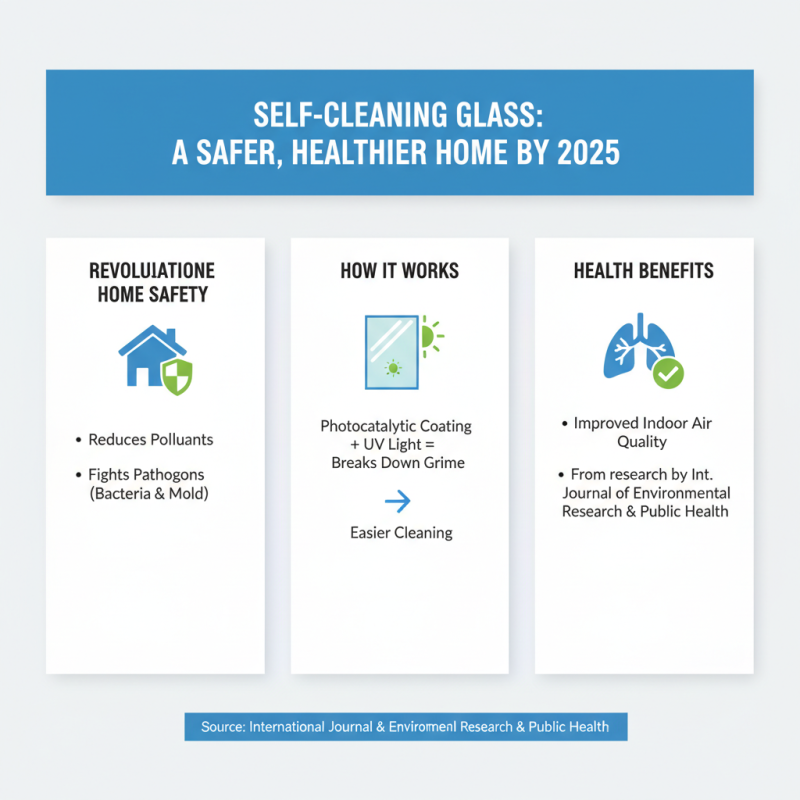
Self-cleaning glass technology is set to revolutionize home safety and health standards by 2025. Recent studies indicate that homes equipped with this advanced glass can significantly reduce the presence of harmful pollutants and pathogens. According to a report by the International Journal of Environmental Research and Public Health, the self-cleaning surface can degrade organic contaminants such as bacteria and mold. The technology utilizes a photocatalytic coating that activates under UV light, breaking down grime and allowing for easier cleaning, thus contributing to healthier indoor air quality.
In addition to improving cleanliness, self-cleaning glass protects occupants from the adverse effects of allergens and respiratory illnesses. Research from the National Institute of Health reveals that proper maintenance of windows and glass surfaces can lower the spread of allergens by up to 30%. With self-cleaning glass, homeowners can enjoy peace of mind knowing that their living spaces are less likely to harbor harmful substances. This increased cleanliness not only ensures a healthier environment but also reduces the need for harsh cleaning chemicals, further promoting safety and sustainability in modern households.
Future Trends and Innovations in Self-Cleaning Glass Solutions
As we look towards 2025, the evolution of self-cleaning glass technology is poised to revolutionize the way we maintain our homes. Innovations in nanotechnology and hydrophobic coatings have paved the way for glass surfaces that can autonomously break down dirt and grime, harnessing the power of sunlight and rain. This not only reduces the need for traditional cleaning methods but also ensures that windows and facades remain aesthetically pleasing with minimal effort from homeowners. The future trends indicate a significant improvement in the effectiveness of these coatings, making them durable and long-lasting, thus enhancing the investment in energy-efficient homes.
In addition to improved cleaning efficacy, self-cleaning glass technology is expected to integrate advanced features such as smart sensors. These sensors can detect environmental conditions like humidity and pollution levels, prompting a self-cleaning response when needed. Furthermore, as sustainability becomes a core focus in home design, manufacturers are exploring eco-friendly materials and processes, ensuring that the self-cleaning glass solutions contribute not only to convenience but also to environmental stewardship. This fusion of technology and sustainability positions self-cleaning glass as a critical component in modern architectural design, reflecting a future where home maintenance is seamlessly integrated with innovation.


 Phone
Phone Send Email
 whatsapp
 Facebook