How to Source Hob Glass at the 2026 Canton Fair?
The 2026 Canton Fair offers a significant opportunity for sourcing Hob Glass, a key component in modern kitchen appliances. With the event scheduled for April 15-19 and April 23-27, it will feature advanced manufacturing and quality home products. According to industry reports, the global market for glass cookware is projected to reach $3.8 billion by 2025, driven by rising consumer demand for durable and stylish products.
Moreover, the fair introduces AI-enhanced features for streamlined sourcing. Buyers can efficiently identify suppliers meeting specific certifications like ISO and CE. This innovation is crucial, given that navigating 1.55 million square meters of exhibition space can be overwhelming. Many first-time visitors may face challenges in locating the right exhibitors.
In this landscape, meticulous planning and research will be essential. Not all suppliers may meet the expected quality standards. Potential buyers must remain vigilant in evaluating the credibility of manufacturers while exploring the latest trends in Hob Glass applications. By prioritizing critical aspects, such as quality materials and design, buyers can make informed decisions that align with market demands.

Understanding the Importance of Hob Glass in the Kitchenware Market
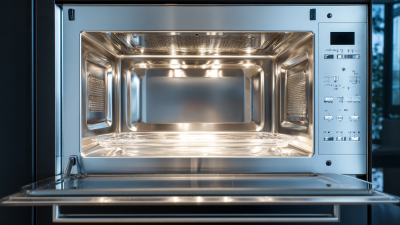
Hob glass has become a staple in modern kitchenware. It is durable and heat-resistant, making it ideal for cooking. This type of glass is often used in cooktops and oven doors. People appreciate its sleek design, which fits well in contemporary kitchens. The surface is easy to clean, adding convenience for busy cooks.
However, sourcing hob glass can be tricky. Quality varies among suppliers. Some may offer lower prices, but the durability may not meet expectations. It's essential to evaluate samples before making a large purchase. Feedback from previous buyers can provide insights into a supplier’s reliability.
Visiting the Canton Fair can be an excellent way to connect with manufacturers. It allows potential buyers to touch and see the products firsthand. Watching product demonstrations can also highlight features and limitations. Understanding these details is vital. It helps in making informed decisions that could affect the kitchen experience.
Key Traits and Specifications of Quality Hob Glass to Look For
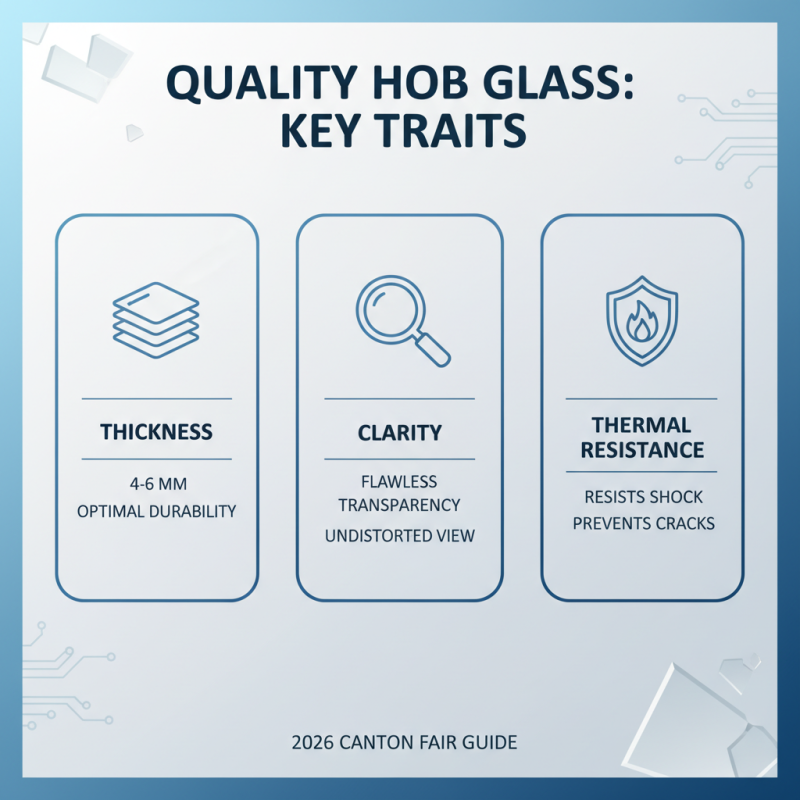
When sourcing hob glass at the 2026 Canton Fair, it’s crucial to understand the key traits of high-quality products. Hob glass is often judged on its thickness, clarity, and thermal resistance. Industry reports indicate that thickness should range from 4 mm to 6 mm for optimal durability. Thicker glass is better against thermal shock, while thinner glass may crack under stress.
Clarity is another important factor. Quality hob glass should allow for clear visibility, with minimal distortion. According to market analysis, over 70% of users report that clarity significantly impacts their cooking experience. Seek suppliers who can provide samples, as this allows you to assess clarity directly.
Thermal resistance is also critical. The best hob glasses withstand extreme temperatures, often rated to handle heats over 300°C. Some products may use tempered glass, which can be safer and more resilient. However, not all suppliers prioritize this aspect. Attentively examining specifications is essential, as product details can vary widely among manufacturers. Quality sometimes falls short of claimed standards, leading to potential safety issues. Making informed choices at the fair is necessary to ensure reliable purchases.
Strategies for Finding Reliable Suppliers of Hob Glass at the Canton Fair
Finding reliable suppliers of hob glass at the 2026 Canton Fair can be a challenge. The event hosts numerous exhibitors, each claiming to provide the best products. It’s crucial to approach your search with a strategy.
Start by conducting thorough research ahead of the fair. Familiarize yourself with the latest trends in hob glass. Understand what features are most sought after. This information provides a solid foundation for making informed decisions. When at the fair, take notes. Jot down the suppliers you interact with. Ask specific questions about their manufacturing processes and quality control measures.
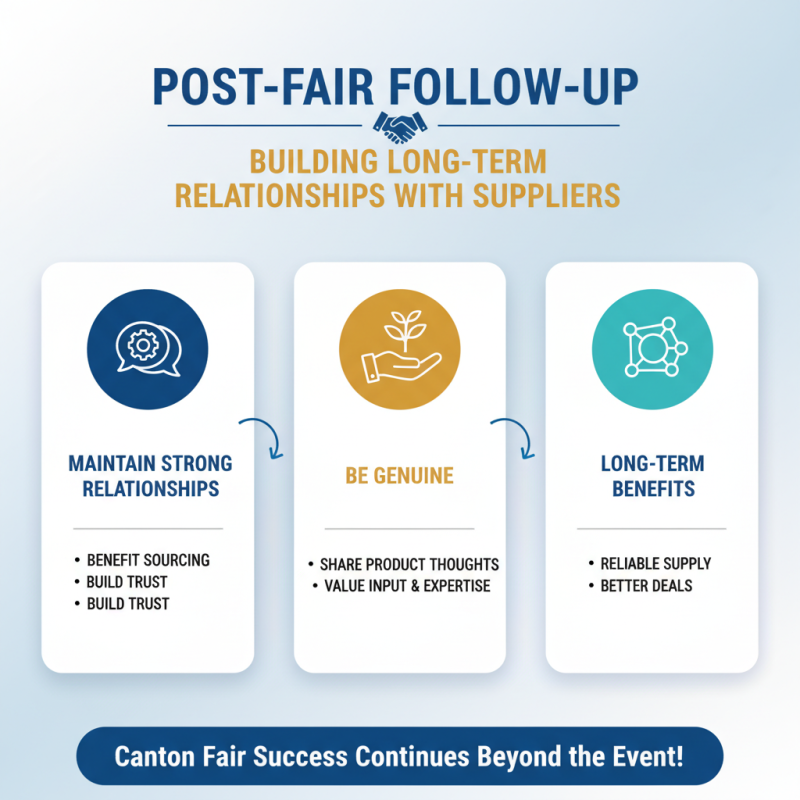
Building relationships is equally important. Engage in conversations that reveal their commitment to quality. You may encounter some suppliers who appear friendly but lack substance. Trust your instincts as you assess their credibility. Always request samples to evaluate the product quality before making commitments. During this process, keep an eye out for potential red flags. It's better to take your time than rush into a partnership that may lead to future issues.
How to Source Hob Glass at the 2026 Canton Fair?
| Supplier Location |
Product Type |
Minimum Order Quantity |
Lead Time |
Price Range (per unit) |
| Guangdong, China |
Tempered Hob Glass |
100 pieces |
4 weeks |
$30 - $45 |
| Zhejiang, China |
Frosted Hob Glass |
200 pieces |
6 weeks |
$25 - $40 |
| Jiangsu, China |
Clear Hob Glass |
50 pieces |
3 weeks |
$35 - $50 |
| Shandong, China |
Colored Hob Glass |
150 pieces |
5 weeks |
$40 - $55 |
Navigating the Canton Fair: Tips for Effective Sourcing
Navigating the Canton Fair can be exciting yet daunting. The fair, known for its vast array of products, offers countless opportunities to source hob glass. To effectively source, start with thorough research. Understand the types of hob glass available. Determine your target specifications, including size, color, and design. This will help narrow down your options on the exhibition floor.
Engage with suppliers directly. Ask questions to gauge their experience and production capacity. Be mindful of language barriers. Sometimes, miscommunication can lead to misunderstandings about product quality. Take notes during discussions; these will be invaluable later. Don't hesitate to request samples. Assessing the glass firsthand can help you make a more informed decision.
It's essential to stay organized. Prepare a checklist before you arrive. Include supplier names, contact details, and product specifications. Yet, remain open to unexpected finds. The fair may present options you hadn’t considered. In the end, reflecting on your priorities can help overcome challenges. Be prepared to adapt as needed.


 Phone
Phone Send Email
 whatsapp
 Facebook