Top Tips for Choosing Lighting Glass for Your Projects?
Choosing the right lighting glass for your projects can be daunting. According to industry expert John Smith, “The right lighting glass can transform a space.” His insights emphasize the importance of quality and design. Lighting glass not only serves functional needs but also enhances aesthetics.
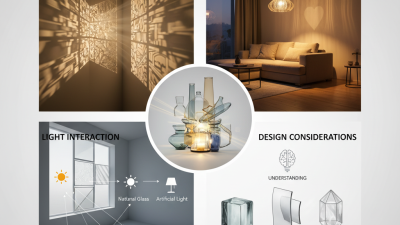
Many designers overlook the impact of lighting glass in their projects. Using different types of glass can drastically change the mood and functionality of a space. From frosted to clear options, each type brings its own character. These choices shouldn’t be made lightly. Reflect on the atmosphere you wish to create.
Moreover, it's crucial to consider durability and maintenance. Some glass types may require more attention than others. A beautiful design should not result in constant upkeep. Strive for a balance between elegance and practicality. Choosing lighting glass is not just about looks; it’s about creating lasting value in your project.
Understanding Different Types of Lighting Glass Materials
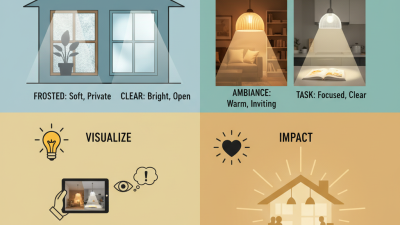
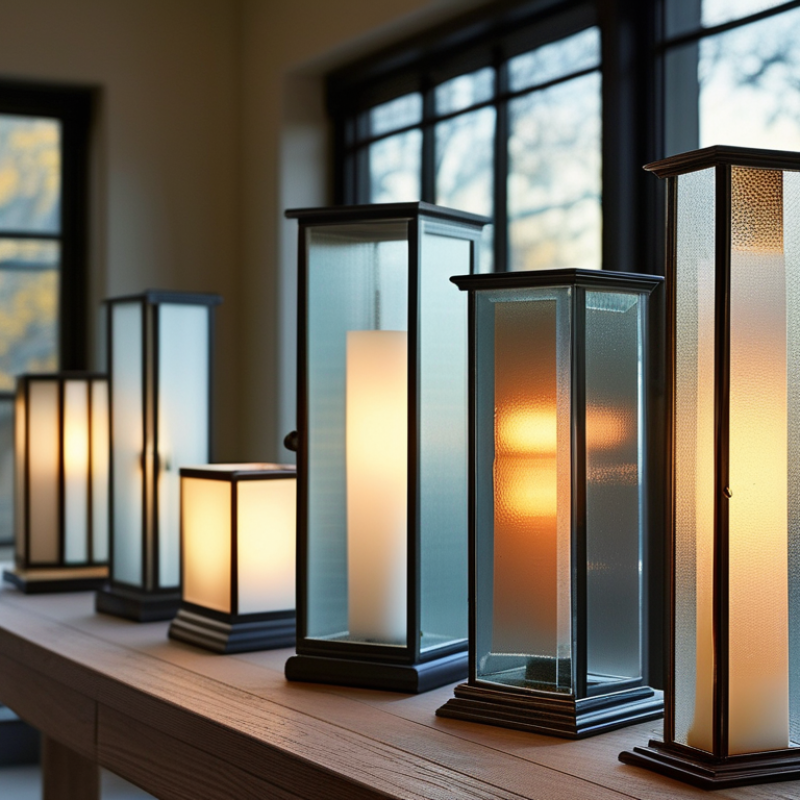
When choosing lighting glass materials, understanding the types available is crucial. There are several options, each with unique properties. Clear glass offers transparency and a sleek, modern look. It works well in contemporary designs, allowing maximum light transmission.
Frosted glass, on the other hand, diffuses light, creating a soft effect. It’s excellent for spaces requiring privacy.
Consider the application of each type. Colored glass can add artistic flair and warmth to your design. It’s ideal for projects aiming for a vibrant atmosphere. However, colored glass can impact light quality.
Reflective glass provides a distinct aesthetic but can create glare if not placed carefully.
Tips for selecting the right lighting glass include considering the lighting purpose. Think about how the glass will complement the overall design. Additionally, weigh the pros and cons of each type. For example, while frosted glass offers beauty, it may reduce brightness. It’s important to strike a balance between style and functionality, ensuring the lighting enhances the intended ambiance.
Evaluating Transparency and Opacity for Your Lighting Needs
Choosing the right lighting glass for your project involves a careful evaluation of transparency and opacity. According to a report by the International Society of Light and Lighting, 70% of designers prioritize these attributes when making decisions. Transparency influences light diffusion. If light is too harsh, a more opaque glass can soften the effect.
Optical measurements reveal that glass transparency can vary significantly. Some types allow up to 90% light transmission, while others might fall below 50%. Different settings, such as residential or commercial spaces, have unique lighting needs. In residential areas, softer lighting creates a cozy atmosphere. Conversely, commercial spaces may benefit from brighter, more direct lighting. The balance between aesthetics and functionality is crucial.
However, there are complexities. Achieving the perfect balance might mean sacrificing clarity for texture. Discussing aesthetic preferences with stakeholders is key. The material choice can affect energy efficiency and maintenance needs. Understanding these trade-offs will lead to better outcomes. Embracing this knowledge ensures your project shines brightly and meets all functional requirements.
Considerations for Durability and Maintenance of Lighting Glass
When selecting lighting glass for your projects, consider durability and maintenance closely. The type of glass you choose affects both aesthetic appeal and longevity. Tempered glass is a popular choice due to its strength and resistance to thermal stress. It withstands impacts better than regular glass, making it ideal for settings with high traffic. However, while it’s sturdy, it can still chip or break if handled improperly.
Maintenance can't be overlooked. Some glass types require more care. For instance, etched or frosted glass can accumulate dust and grease, impacting light diffusion. Regular cleaning is a must but can be a hassle. A simple approach can save time. Using a soft cloth and mild detergent keeps the surface clear.
Look at the environment where the glass will be installed. Outdoor settings may need UV-resistant options to prevent fading. Indoor spaces might benefit from scratch-resistant finishes. Actual experiences shared by industry professionals highlight how often maintenance is neglected. This can lead to costly replacements or repairs down the line. Each project has unique demands, and careful consideration during selection will yield better results in the long run.
Top Tips for Choosing Lighting Glass for Your Projects
| Aspect |
Considerations |
Durability |
Maintenance |
| Type of Glass |
Opt for tempered or laminated glass for enhanced safety |
High resistance to breakage under stress |
Requires less frequent inspections and repairs |
| Finish |
Choose frosted or etched finishes for privacy and style |
Frosted finishes can mask minor scratches |
Easier to clean compared to polished finishes |
| Thickness |
Choose appropriate thickness based on application |
Thicker glass offers enhanced impact resistance |
May require stronger mounting hardware |
| Coatings |
Consider anti-reflective or UV-resistant coatings |
Increased lifespan of the glass |
Coatings can reduce cleaning frequency |
| Environmental Impact |
Look for eco-friendly materials and manufacturing |
Durable options can lead to lower environmental costs |
Long-lasting materials mean reduced replacements |
Matching Lighting Glass with Design Aesthetics and Themes
Choosing the right lighting glass for your projects goes beyond functionality. It plays a crucial role in enhancing design aesthetics. According to a recent report from the American Lighting Association, 75% of designers believe that lighting significantly influences the overall ambiance of a space. This means that careful selection of lighting glass is key to achieving the desired effect.
When considering design themes, the texture and clarity of lighting glass should align with other materials in the project.
For instance, frosted or textured glass offers a softer look, perfect for minimalist designs. Conversely, clear glass can enhance the brightness and openness of a room, ideal for contemporary styles. The right choice can elevate the design or detract from it. A mismatched style may lead to visual dissonance, prompting clients to rethink their preferences.
Additionally, trends in lighting design are evolving. The 2023 Interior Design Trends report indicates that sustainable materials are increasingly favored. This shift encourages designers to explore eco-friendly glass options.
While the appeal of traditional glass remains, the challenge lies in balancing aesthetics with sustainability. It’s essential to consider how choices affect both style and environmental impact. The interplay of these factors can guide the decision-making process effectively.
Assessing Cost and Availability for Your Project Budget
When evaluating lighting glass for projects, cost and availability are crucial factors. According to a recent industry report, approximately 30% of project delays stem from material sourcing issues. This underlines the importance of assessing local suppliers and lead times. Evaluating supply chains can significantly impact your budget.
Consider the price range of different types of lighting glass. For instance, specialty glass can be up to 50% more expensive than standard options. Balancing quality and cost is essential. Be aware that not all suppliers offer competitive pricing consistently. Data shows that regional availability fluctuates based on demand and market conditions. Ensuring you have multiple sources for your materials can mitigate this risk.
Don't overlook the long-term implications of your choices. A cost-effective option today might lead to higher maintenance in the future. Reports indicate that 15% of projects exceed their budgets due to unforeseen material costs. This reflects the necessity of thorough research. Fostering relationships with reputable suppliers can ensure reliability and consistent quality over time. Always maintain a clear line of communication regarding availability, as this can save both time and money in the long run.


 Phone
Phone Send Email
 whatsapp
 Facebook