2026 Top Anti Glare Glass Benefits and Uses Explained?
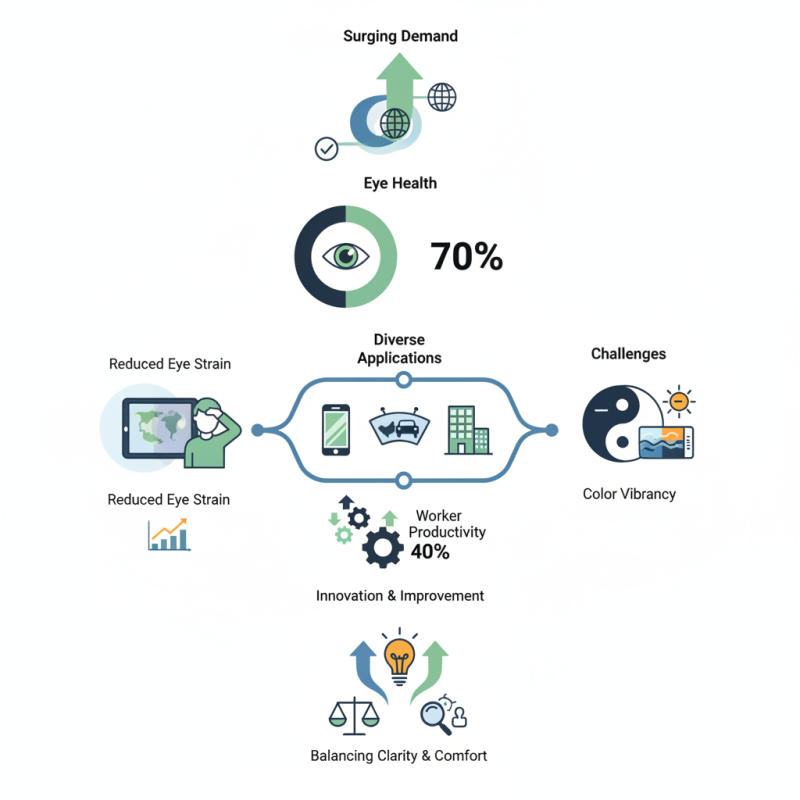
In 2026, the demand for Anti Glare Glass continues to surge as technology and lifestyle needs evolve. Industry reports show that nearly 70% of consumers prefer screens with anti-glare features. This preference highlights a growing awareness of eye health and the effects of prolonged screen exposure. Anti Glare Glass effectively reduces reflections and minimizes eye strain, crucial for our digital lives.
The applications of Anti Glare Glass are vast. From consumer electronics to automotive and architectural uses, its benefits cannot be overstated. For example, approximately 40% of professional environments now utilize this glass to enhance worker productivity through reduced glare. However, despite these advantages, there are challenges. Users may experience a slight reduction in brightness and color vibrancy, which raises questions about overall visual satisfaction.
As we explore the benefits and uses of Anti Glare Glass, it’s clear that while it plays an essential role in modern design, there remains a need for continued innovation and improvement. Balancing glare reduction with visual clarity is crucial for future advancements in this field. Increasing awareness and interest may pave the way for new solutions, ensuring both comfort and quality for consumers.
Understanding Anti Glare Glass: Definition and Functionality
Anti glare glass, often known as anti-reflective glass, plays a vital role in our daily lives. This type of glass is designed to reduce glare, making it easier to see screens and surfaces clearly. According to recent studies, glare reduction can improve visibility by up to 90%. Such enhancements are crucial in various applications, from office setups to public spaces.
Understanding its functionality is essential. Anti glare glass works by minimizing the reflections that can distract or disrupt viewing experiences. It accomplishes this through advanced coatings that absorb and disperse light. Reports indicate that using anti glare glass can enhance user comfort, leading to increased productivity.
Tips: Consider the lighting in your environment. Proper placement can further reduce glare. Often overlooked, maintaining a clean surface is key. Dust and smudges can amplify reflections, hindering the benefits of anti glare features. Additionally, while the technology is effective, it’s not infallible. There may still be moments of glare that can surprise users. Being aware and adjusting light sources can help minimize these effects.
Key Benefits of Anti Glare Glass in Everyday Use
Anti glare glass has become a popular choice for many everyday applications. Its special coating reduces reflections, making it easier to see images clearly. This is especially useful for screens and eyewear. When driving or working outside, anti glare glass helps minimize distractions from sunlight.
Consider using anti glare glass for your home or office. It enhances comfort while reading or looking at a monitor. You might notice less eye strain after using it for a while. This can be a significant benefit during long hours of work or study.
Tips for choosing anti glare glass include checking the coating quality. A durable finish will last longer and perform better. Additionally, think about the thickness of the glass. Thicker glass tends to have improved durability. Be aware that while anti glare glass reduces glare, it may not eliminate it completely. Evaluate your needs carefully before deciding.
Common Applications of Anti Glare Glass in Various Industries
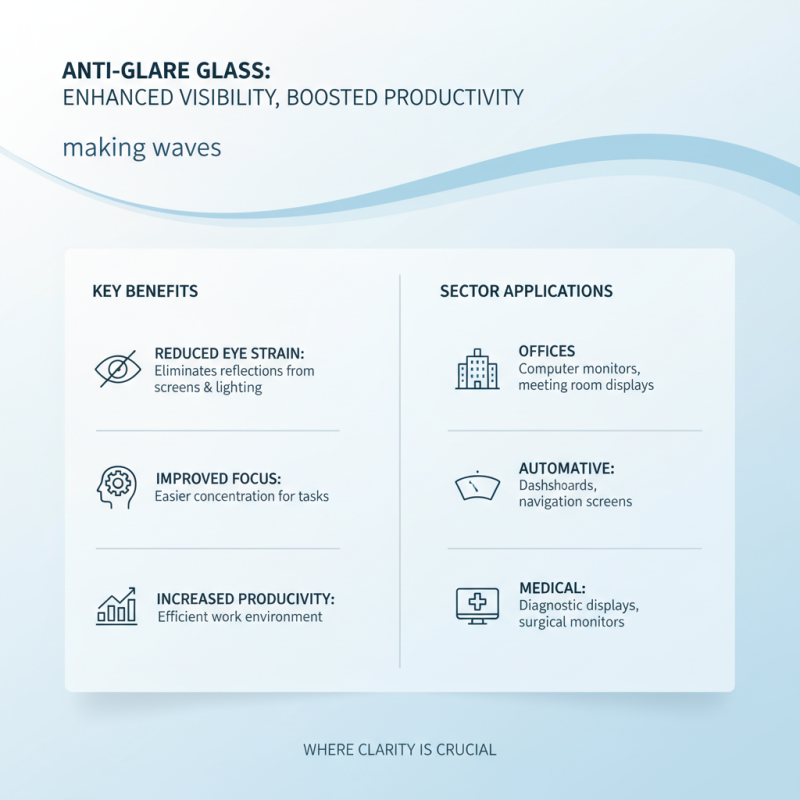
Anti-glare glass is making waves across various sectors. Its demand has surged in environments where visibility is crucial. In offices, this glass reduces reflections from screens and lighting. Employees find it easier to focus, thereby boosting productivity.
In the automotive industry, anti-glare glass is pivotal. Car windows with this technology minimize sun glare. This enhancement leads to safer driving experiences. Passengers also enjoy a clearer view.
When considering anti-glare options, it’s important to think about the environment. Not all applications are suitable for this glass. For example, in areas with high moisture, stability is a concern. Additionally, installation quality varies, affecting performance. Always check the specifications before making a choice.
Comparison of Anti Glare Glass with Standard Glass Options
When comparing anti glare glass to standard glass options, several key differences emerge. Anti glare glass features a special coating that significantly reduces reflections. This allows for clearer visibility in bright environments. In contrast, standard glass lacks this coating. As a result, it often reflects light, causing unwanted glare. In settings where natural light is abundant, glare can be distracting or even dangerous.
The use of anti glare glass is common in various applications, such as electronics and architecture. Many modern devices, like smartphones and computers, utilize this glass to improve user experience. The reduced glare leads to less eye strain during prolonged use. On the other hand, standard glass is often more affordable but lacks these benefits. It may also result in more frequent need for cleaning, as smudges and fingerprints are easily visible.
In certain cases, anti glare coatings can wear off over time. This makes it essential to consider the long-term affordability of such options. Users must weigh the initial investment against the potential for improved visibility and comfort. Therefore, evaluating the environment where the glass will be used is crucial. Selecting the right type can make a significant difference in daily experiences.
2026 Anti Glare Glass Benefits Comparison
Future Trends in Anti Glare Glass Technology and Innovations
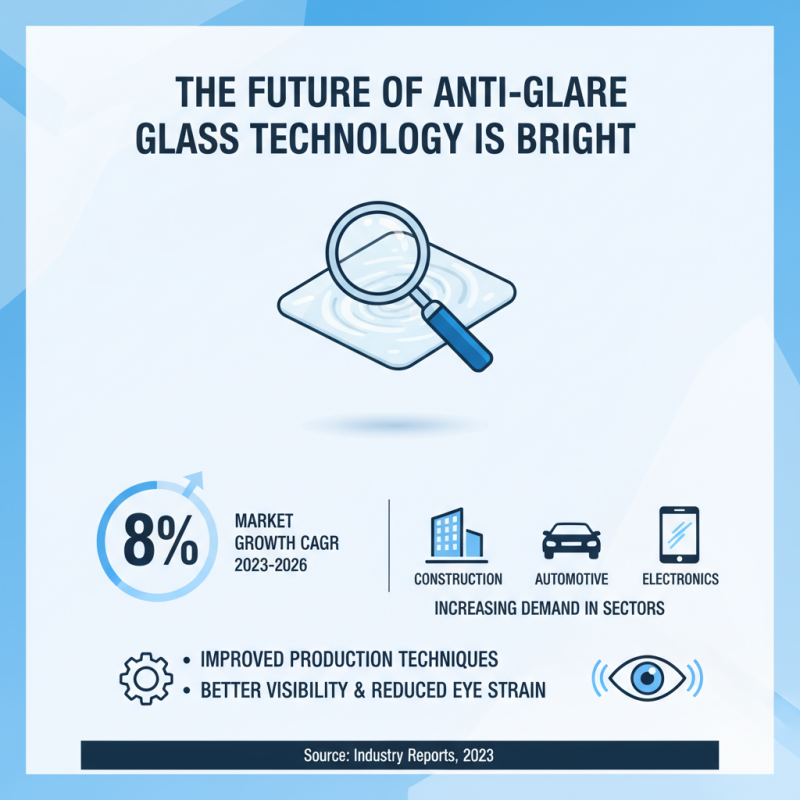
The future of anti-glare glass technology is bright, with exciting innovations on the horizon. According to recent industry reports, the market for anti-glare glass is expected to grow at a CAGR of 8% from 2023 to 2026. This growth reflects the increasing demand in sectors such as construction, automotive, and consumer electronics. Improved production techniques enhance the performance of anti-glare coatings, allowing for better visibility and reduced eye strain.
Emerging trends indicate a shift towards eco-friendly materials. Manufacturers are exploring sustainable options that lessen environmental impact while maintaining quality. Transparency Market Research notes that a significant portion of consumers prefer sustainable products, pushing manufacturers to innovate. However, not all innovations are flawless. Some coatings may reduce clarity, leading to potential customer dissatisfaction. Therefore, continuous improvement and customer feedback are vital for success.
As technologies evolve, smart anti-glare glass that adjusts to lighting conditions is becoming a reality. This technology promises to enhance user experience in various applications. However, challenges persist in cost and accessibility. Users often face difficulty understanding the trade-offs between cost and performance. Addressing this knowledge gap is crucial for broader acceptance. As these trends unfold, stakeholders need to weigh benefits against potential pitfalls.


 Phone
Phone Send Email
 whatsapp
 Facebook