Top Covers Lens for Display in 2026 What to Consider?
As the technology landscape continues to evolve, the importance of "Cover Lens For Display" grows significantly. Experts like Dr. Jamie Lin, a leading specialist in display technologies, emphasize that “choosing the right cover lens can transform the user experience.” In 2026, various factors will influence this decision.
The material of the cover lens directly affects durability and clarity. For instance, Gorilla Glass is known for its strength, while polycarbonate offers flexibility. Each option presents unique advantages and potential drawbacks. Additionally, optical coatings play a crucial role in enhancing display performance. It is essential to weigh the benefits against costs carefully.
However, many businesses hesitate to adapt to new innovations. There is often pressure to stick with traditional solutions. This conservatism may lead to missed opportunities in enhancing visual performance. True progress requires a willingness to explore and evaluate new technologies. Overall, understanding these nuances is vital when considering cover lenses for displays in the coming years.

Key Features of Display Lens Covers for 2026
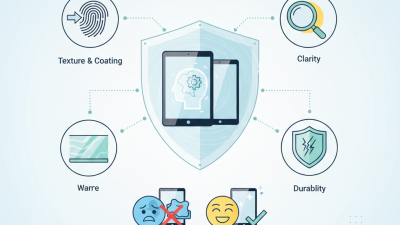
When evaluating display lens covers for 2026, several key features are paramount. One critical aspect is scratch resistance. Reports indicate that nearly 35% of consumers prioritize this when choosing a lens cover. A lens cover that withstands daily wear and tear enhances user satisfaction. In addition, the light transmission rate must be high. Data suggests that covers affecting visibility can lead to a 20% decrease in user engagement.
Another important feature is anti-reflective coating. Industry surveys show that over 40% of display users prefer covers that minimize glare. This coating not only improves clarity but also reduces eye strain. Furthermore, durability plays a significant role. Projected trends show that lens covers capable of withstanding impacts are becoming essential, as nearly 50% of users have reported previous damage.
Lastly, consider the ease of cleaning. A cover that can be quickly wiped down can significantly improve usability. Up to 60% of users express frustration over difficult-to-clean surfaces. This highlights a gap in the product market. While many covers boast impressive specifications, not all meet these practical needs. This area offers opportunities for refinement and improvement.
Materials and Durability Considerations for Lens Covers
When selecting lens covers, materials and durability are paramount. Various materials offer different benefits and drawbacks. Acrylic, for example, is lightweight and shatter-resistant. However, it may scratch easily over time. Glass provides superior clarity but is heavier and more prone to breakage.
Consider how the lens covers will be used. For outdoor displays, weather-resistant materials are crucial. Polycarbonate is an excellent choice. It's not only impact-resistant but also maintains good optical clarity. However, it can discolor when exposed to UV light for extended periods. This factor might affect your decision.
Tips: Always examine the warranty offered by manufacturers. A longer warranty often indicates confidence in durability. Additionally, consider environmental factors that may impact your lens covers. Even minor wear can lead to significant issues in display quality. Thus, regular evaluations are essential.
Impact on Visual Clarity: Choosing the Right Lens Cover
Choosing the right lens cover significantly impacts visual clarity. High-quality materials can enhance image quality. Transparent covers allow for the best views. However, not all covers are created equal. Some may distort colors or create reflections. It's crucial to consider the material's properties.
Don’t overlook the thickness of the lens cover. Thicker covers may add weight but can provide better protection. Yet, they may also hinder clarity. Testing various covers in different lighting is essential. A clear lens can look foggy under certain conditions. Ensure compatibility with your display type.
User experiences vary. Some users find that cheaper options suffice, while others regret not investing in premium products. Ask for recommendations, but remember that personal preferences play a key role. Take time to evaluate how different covers perform in real-world scenarios. This consideration can make a significant difference in the overall viewing experience.
Impact on Visual Clarity: Choosing the Right Lens Cover in 2026
Compatibility with Different Display Technologies
When considering lens covers for displays in 2026, compatibility is crucial. Different display technologies require specific lens attributes. For instance, OLED displays often benefit from anti-reflective coatings. These coatings enhance visibility, especially in bright environments. A report by MarketsandMarkets indicates that the OLED market is expected to reach $30 billion by 2026. This growth is driving demand for corresponding lens technologies.
LCDs, on the other hand, might need different treatment. They can suffer from glare and reflectivity issues. Proper lens covers can mitigate these problems. The International Display Research Institute (IDRI) notes that using high-performance lens materials can improve the lifespan of LCD screens by approximately 20%. However, not all lenses are created equal. Some may not adhere well to certain LCD types, potentially causing discoloration over time.
Moreover, the rise of microLED technology introduces new challenges. This promising tech requires high precision in lens design. Manufacturers must ensure that lenses maintain color accuracy and brightness levels. As reported by Tech Insight, microLED technology is anticipated to disrupt the market significantly. Choosing a lens that supports various display technologies is essential for maximizing functionality and longevity. Users should not overlook this critical aspect.
Future Trends in Display Lens Cover Design and Functionality
The design and functionality of display lens covers are evolving rapidly. In 2026, manufacturers will focus on lightweight materials that provide enhanced durability. High-quality polycarbonate and glass composites will dominate the market. These materials resist scratches and impacts, ensuring longevity. Enhanced optical clarity will also be a priority for designers. Users want vibrant visuals without distortion.
Another trend is customizable design. Users may want to express their style through unique lens cover aesthetics. Personalized colors and patterns could cater to individual preferences. Manufacturers are beginning to explore this customization further. Although this approach shows promise, it poses challenges in scalability and production costs.
Smart features will also be integrated into display lens covers. Anti-fogging technology is essential for various environments. UV protection will be standard. These improvements will enhance user experience. However, as technology advances, maintenance of these features could become a challenge. Consumers may need guidance on care and upkeep. Balancing innovation with practicality will be crucial for success in this evolving market.
Top Covers Lens for Display in 2026: What to Consider?
| Feature |
Description |
Importance Level |
Future Trends |
| Material |
Lightweight yet durable materials such as polycarbonate and glass. |
High |
Increased focus on sustainability with recyclable options. |
| Anti-Glare Coating |
Reduces reflections and improves visibility in bright environments. |
Medium |
Advancements in coating technology for better performance. |
| Scratch Resistance |
Higher resistance to scratches improves durability. |
High |
Emerging materials that enhance scratch resistance further. |
| Transparency |
Clear and vibrant display quality is essential for user experience. |
High |
Innovations in optical clarity and light transmission technology. |
| Touch Sensitivity |
Enhancing touch responsiveness for interactive displays. |
Medium |
Integration with new sensor technologies for improved interaction. |


 Phone
Phone Send Email
 whatsapp
 Facebook