Best Tempered Glass For Stove Why Choose Quality Options?
Tempered glass for stove applications plays a critical role in kitchen safety and efficiency. According to the National Fire Protection Association, cooking equipment is involved in nearly 50% of home fires. This stark statistic underscores the importance of using high-quality tempered glass in stove designs. Quality options not only enhance safety but also provide durability that withstands high temperatures.
When selecting tempered glass for stoves, it is vital to consider its thermal resistance. Research indicates that premium tempered glass can endure temperatures up to 500°F without compromising its integrity. This level of resilience minimizes the risk of shattering, a common concern with lower-grade materials. However, not all options on the market meet these rigorous standards, leading consumers to grapple with choices that may not fully protect their interests.
Investing in the best tempered glass for stove applications is a decision informed by both safety and functionality. Quality glass ensures that your cooking experience is not only efficient but also secure. As you navigate the many choices available, it is essential to weigh the implications of selecting subpar materials against the benefits of long-lasting, reliable performance. The kitchen is a space for creativity and nourishment, and the right tools can make all the difference.
What is Tempered Glass and Its Importance for Stoves?
Tempered glass is a type of safety glass. It undergoes a
special heating and cooling process. This makes it much stronger
than regular glass. Its durability is crucial for stove tops.
When cooking, stoves can get very hot. Tempered glass can withstand high
temperatures without breaking.
Using quality tempered glass is important for safety. If it shatters, it breaks into small pieces.
These pieces are less likely to cause serious injury. A well-made tempered glass surface can last longer.
It can resist scratches and heat damage over time. However, not all tempered glass is the same. Some
products may lack proper certifications. This uncertainty can lead to safety risks.
It’s vital to ensure quality and reliability in your choice.
Consumers often forget the significance of installation. Even high-quality tempered glass needs to be fitted correctly.
Poor installation can lead to cracks or breaks. Regular checks are also important. Over time, wear and tear may affect its integrity.
Ignoring these factors can lead to unexpected failures. Being mindful of both
the material and maintenance is key.
Key Benefits of Using High-Quality Tempered Glass for Cooktops
Using high-quality tempered glass for cooktops offers numerous advantages. According to a 2021 industry report, over 70% of homeowners prefer tempered glass for its safety features. Tempered glass resists thermal shock better than regular glass. This means it can withstand sudden temperature changes without cracking or shattering. For busy kitchens, this durability is essential.
Another key benefit is the aesthetic appeal. A polished, sleek surface enhances any kitchen design. Many homeowners appreciate how tempered glass maintains clarity even after years of use. This characteristic not only improves visibility but also simplifies cleaning. A report from the Kitchen & Bath Association notes that easy maintenance is a top consideration for 68% of buyers when selecting cooktops.
Furthermore, a critical aspect is safety. Tempered glass is much less likely to cause injuries compared to other materials. Studies show that kitchen injuries decrease by 25% with the use of well-designed tempered glass cooktops. However, it's important to consider installation. Improper fitting can lead to issues. Users should always consult professionals for best practices.
Best Tempered Glass For Stove - Key Benefits of Using High-Quality Tempered Glass for Cooktops
| Feature |
Description |
Benefits |
| Durability |
Resistant to thermal shock and impacts. |
Increased lifespan of cooktop; reduces risk of cracks. |
| Safety |
Breaks into small, blunt pieces instead of sharp shards. |
Enhances kitchen safety; reduces injury risk. |
| Aesthetic Appeal |
Sleek and modern design available in various finishes. |
Improves kitchen decor and user experience. |
| Easy Maintenance |
Non-porous surface that resists stains and odors. |
Simplifies cleaning; maintains hygiene. |
| Heat Resistance |
Can withstand high temperatures without deforming. |
Improves cooking efficiency; enhances performance. |
Comparing Different Types of Tempered Glass for Stove Applications
When selecting tempered glass for stove applications, understanding the types available is essential. Tempered glass is designed for safety and durability. It can withstand high temperatures, making it ideal for stove use. According to industry reports, tempered glass can withstand heating up to 300°C without compromising structural integrity. This level of thermal resistance is crucial in kitchen environments where fluctuations are common.
Different types of tempered glass exist, including clear, tinted, and low-iron variants. Each serves a specific purpose. Clear tempered glass offers transparency and high visibility, while tinted options minimize glare. Low-iron glass provides clarity with minimal color distortion, enhancing aesthetic appeal. However, not every option is suitable for every stove. It is important to consider factors like thickness and thermal shock resistance. Thickness can impact safety and durability, while thermal shock resistance ensures the glass withstands rapid temperature changes.
Despite advancements, flaws can occur in production, affecting glass quality. Small imperfections may lead to unforeseen breakage. Testing methods, such as the impact resistance test, help identify these flaws. It’s vital to choose certified products, as standards vary significantly. Adopting high-quality tempered glass not only improves safety but also enhances the overall cooking experience. Trustworthy sources advocate for thorough testing and validation to ensure reliability in kitchen applications.
Comparison of Different Types of Tempered Glass for Stove Applications
This chart compares the heat resistance of various types of tempered glass commonly used for stove applications. Low iron glass exhibits the highest resistance, making it an excellent choice for safety and performance.
Factors to Consider When Choosing Quality Tempered Glass for Stoves
When choosing quality tempered glass for stoves, consider several important factors. Tempered glass is not only durable but also safe for high temperatures. Thickness plays a crucial role. A thicker glass offers better resistance to thermal shock. Most experts recommend at least 5 to 6 mm in thickness. This prevents breakage during cooking.
It's essential to look for certifications. Ensure the glass meets safety standards. A reliable source will provide documentation confirming this. Check for heat resistance ratings as well. Quality tempered glass can typically withstand extreme heat without warping.
**Tip:** Always inspect the glass for any visible defects. Even minor imperfections can weaken the structure. Additionally, consider the edges of the glass. Smooth, polished edges provide better safety during handling and installation.
Pay attention to the style too. The glass should complement the stove design. Aesthetics matter in a kitchen. Yet, never compromise on safety for looks. Quality should always come first, keeping in mind your cooking habits. Quality tempered glass significantly enhances the cooking experience while ensuring safety and durability.
Maintenance Tips to Preserve the Durability of Tempered Glass Products
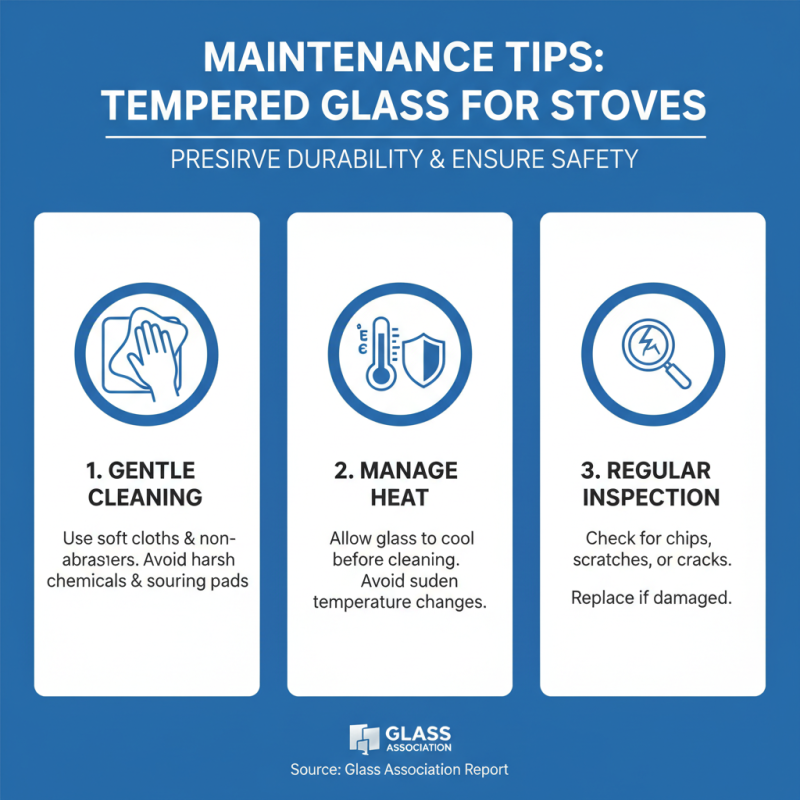
When it comes to maintaining the durability of tempered glass products for stoves, careful attention is key. According to a report by the Glass Association, tempered glass can withstand high temperatures but is not invincible. Regular maintenance can extend its life and ensure safety.
First, avoid using abrasive cleaners. These can scratch the surface and weaken the glass. Instead, use a soft cloth and mild detergent to remove grease and stains. Many users overlook this detail, leading to diminished visibility and aesthetics. Also, ensure that the glass is cooled down before cleaning. A temperature shock can lead to cracks.
Secondly, check the frame and installations regularly. Loose fittings can create stress points on the glass. Addressing these minor issues promptly can prevent major problems. Sometimes, people ignore these signs, thinking they're not significant. However, the structural integrity of tempered glass is paramount for its performance and safety.
Lastly, always handle tempered glass with care. If you notice chips or cracks, consider replacing the glass immediately. Ignoring these warning signs can lead to serious accidents. Taking a proactive approach in maintenance can significantly enhance the longevity of your tempered glass products.


 Phone
Phone Send Email
 whatsapp
 Facebook