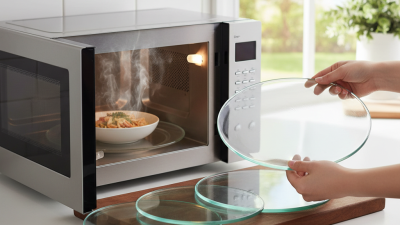
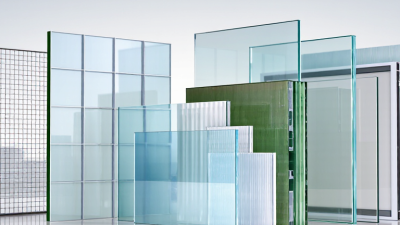
Choosing the right glass for an electric oven requires more than comparing appearance or price. Lowe Glass For Elctric Oven is often discussed as a heat-management solution, but the wording can create confusion. In professional specifications, buyers should confirm whether they need low-emissivity glass, tempered glass, ceramic glass, or a layered oven-door system. These materials behave differently beside heating elements. A reliable choice begins with the oven’s maximum temperature, door design, and intended cooking cycle.
Look closely at the details. A suitable low-E layer may reduce radiant heat passing through the door, helping the outer surface remain more comfortable during use. However, it does not replace proper insulation, ventilation, or thermal safety testing. Ask the supplier for emissivity data, temperature limits, coating location, and evidence of repeated thermal-cycle performance. A clear sample should remain stable after exposure to heat, cooling, and cleaning chemicals. Small failures matter.
Experience shows that glass selection is rarely a single-material decision. The gasket, spacer, inner pane, and frame also influence performance. Even a high-quality coating can disappoint when the door assembly is poorly engineered. That point is easy to overlook. Buyers should compare certified test reports and manufacturer instructions, not rely only on marketing language. Requirements may vary by region and appliance category, so qualified engineers should verify compliance with applicable safety standards. This guide examines the practical factors behind low-E oven glass, including heat control, durability, visibility, maintenance, and long-term reliability. Some assumptions may need revision after testing. That is part of responsible product development.
Choosing low-E glass for an electric oven starts with the actual heat load. Electric ovens commonly operate between 250 and 300°C during roasting and self-cleaning preparation. However, cavity air temperature does not equal the glass surface temperature. Door layers, ventilation gaps, seals, and radiant heat change the final load.
The European Commission’s Ecodesign preparatory studies for domestic ovens evaluate heating modes, cavity temperatures, insulation, and energy consumption. IEC 60335-2-6 also treats household cooking appliances as products requiring controlled surface temperatures and thermal protection. These references support a practical approach: test the complete door assembly, not the glass alone. Thermocouples should measure the inner pane, coating position, spacer area, and outer touch surface during repeated heating cycles.
Select low-E glass with stable optical and thermal properties at the target temperature. The coating should normally face a protected cavity between panes, reducing contact with moisture, grease, and cleaning chemicals.
Check emissivity, visible light transmission, thermal expansion, and resistance to thermal shock. A thinner pane may improve weight, but it can reduce durability. That trade-off is easy to underestimate.
In production trials, hold the oven near 300°C, then cool it repeatedly. Inspect haze, coating discoloration, edge damage, and unexpected temperature peaks. One test is not enough. Real kitchens are less controlled than laboratories.
When choosing Low-E glass for an electric oven, focus on emissivity, not appearance alone. Emissivity below 0.10 can reflect much of the long-wave infrared heat toward the cavity. The U.S. Department of Energy describes low-emissivity coatings as surfaces that reduce radiant heat transfer. NFRC technical guidance also identifies low-emissivity glazing as a major method for improving thermal performance.
Look for a tested emissivity of 0.04–0.10. Lower is generally better, but coating durability matters more inside an oven. At high temperatures, repeated heating and cooling can expose weak coatings. Ask for test results based on ISO 9050 or equivalent infrared measurements. Check the coating location, too. A coating placed on the correct glass surface can improve heat reflection, while the wrong position may reduce its benefit.
A practical detail matters. The outer door should remain comfortable to touch. Use multilayer tempered glass, suitable spacing, and edge seals designed for oven temperatures. The International Energy Agency reports that appliance efficiency depends on reducing heat losses during use, not only improving heating elements. Still, low-E glass does not solve every problem. It can reduce radiant loss, but poor seals or warped frames may waste more energy. I would also question impressive claims below 0.05 without independent testing. Numbers need context.
Visible transmittance should be a primary screening value when selecting low-e glass for electric oven doors. Aim for a measured visible transmittance above 70%. This level keeps the cooking chamber bright enough for users to inspect food without opening the door. A darker panel can make baking progress difficult to judge. That creates unnecessary door openings and heat loss. The glass should be tested across the visible spectrum, roughly 380 to 780 nanometers. Ask for spectrophotometer results, not only a visual sample.
In production trials, I would compare samples after tempering and heat treatment. Processing can change color, reflection, and haze. Check the glass under warm oven lighting and natural daylight. A panel may appear clear in a showroom but look slightly green or gray inside the appliance. Small color shifts matter when users judge browning. Keep haze low. Reflections should also be controlled, especially in bright kitchens. Above 70% is a useful target, not a complete specification.
Do not choose by transmittance alone. Low-e performance must still support thermal efficiency and safe operating temperatures. Examine coating durability, edge quality, and optical uniformity across the full door area. One early sample I reviewed passed the transmittance target but showed visible streaks near the edges. It looked acceptable on paper. It was not acceptable in use. Measuring only the center may hide this weakness. Recheck several locations, viewing angles, and finished assemblies before approval.
Choosing Low-E glass for an electric oven requires more than comparing thermal performance. The glass must support safe operation under repeated heating and cooling. Low-E coatings can reduce heat loss, but emissivity data alone does not prove appliance safety. The complete oven-door assembly needs assessment.
Check EN 12150 for thermally toughened safety glass requirements. The glass should withstand thermal stress, impact, and fragmentation testing. Ask for documented test results, thickness details, and traceable production records. A small edge chip can become a serious weakness near the heated door frame. Inspect the coating position, too. Incorrect placement may affect cleaning, reflection, or heat distribution.
EN 60335-2-6 addresses safety for household electric cooking ranges, hobs, and ovens. Testing should cover electric shock protection, abnormal operation, surface temperatures, fire risks, and mechanical stability. Test the assembled door, not only a loose glass sample. Hinges, seals, spacers, handles, and ventilation gaps can change the final temperature. I would request testing at maximum rated temperature, including repeated door openings. Real kitchens are less controlled than laboratories.
Do not rely on a supplier statement alone. Verify the applicable edition and local adoption with a qualified testing laboratory. The coating may pass one test while the door assembly fails another. That possibility is easy to miss. Also check visibility, cleaning resistance, and readability of the cavity interior. A technically compliant panel can still create a poor user experience. Endless testing is not practical, but skipping thermal-cycle evidence is worse.

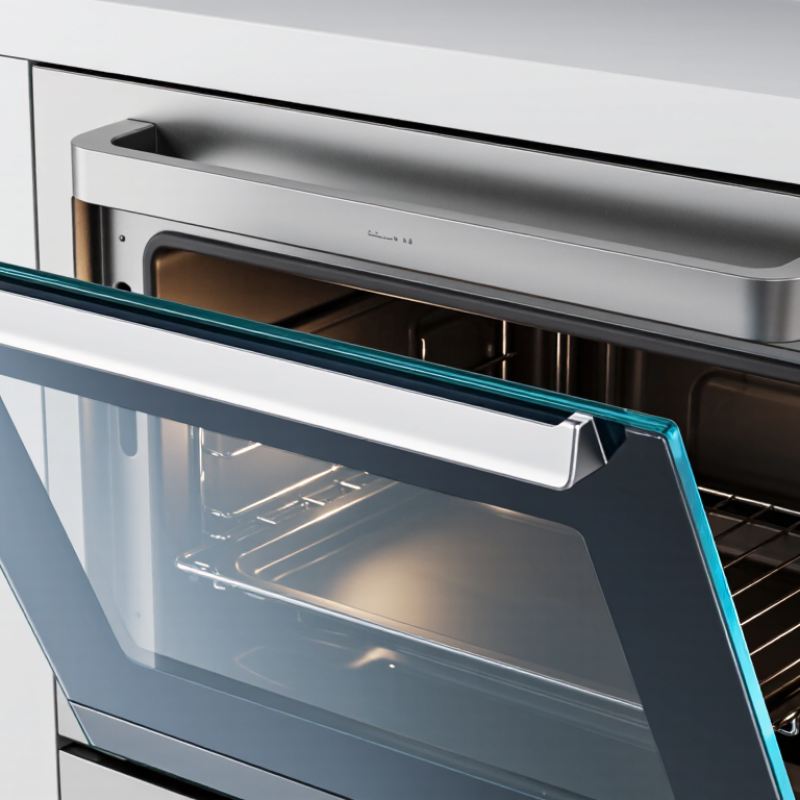
For electric ovens, multi-pane doors can improve heat retention and reduce the outer surface temperature. A practical design uses two or three glass layers, with carefully controlled gaps between them. Low-E glass reflects part of the infrared heat back toward the cooking cavity. This can support more stable temperatures and reduce energy loss. However, a three-layer door is not automatically better. Extra panes add weight, thickness, and cleaning challenges. The complete door assembly must be tested for thermal stress, impact resistance, and repeated heating cycles.
Performance The Low-E coating’s position matters. It should be integrated into a system designed for oven temperatures, not selected like ordinary household window glass. Check the supplier’s technical data for maximum temperature, coating durability, seal performance, and compatibility with electric heating. Look closely at the door edge, too. Weak seals may allow moisture between panes, creating cloudy patches after repeated baking. A qualified oven engineer should confirm that the glass, frame, hinges, and ventilation work together. Small gaps can matter.
Tips
Choose two panes for a lighter, simpler door when heat loss is moderate. Consider three panes when insulation and cooler exterior surfaces are priorities. Ask for tested performance data. Do not rely on appearance alone. In real kitchens, fingerprints, steam, and rough cleaning can expose weaknesses that showroom samples hide. I would also leave room for doubt: Low-E glass helps, but it cannot correct poor door alignment or damaged seals.