inquiry
Leave Your Message

Why Choose AG Cover Glass for Display Applications?

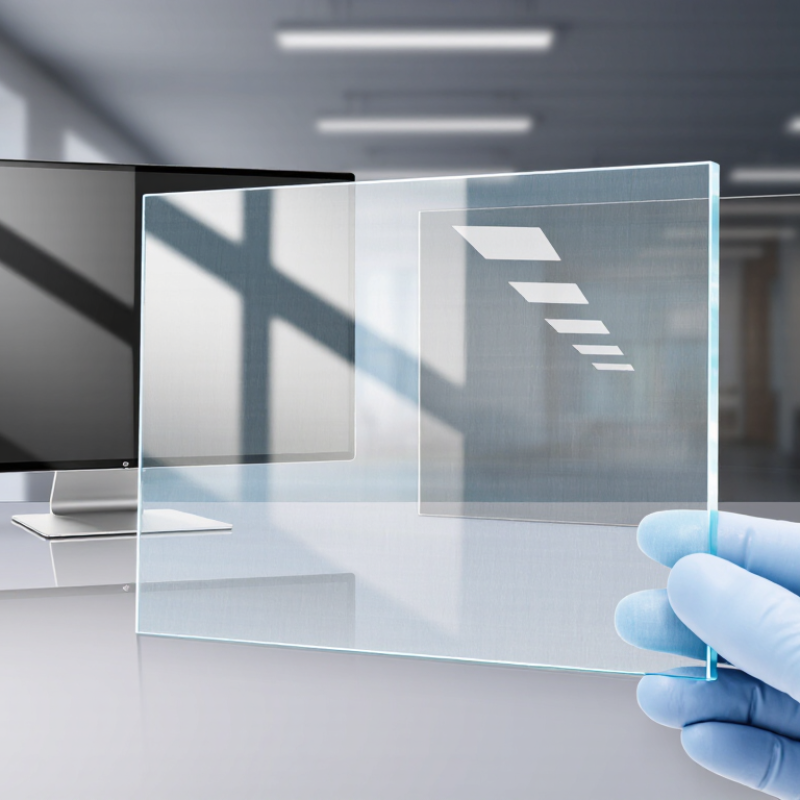
Selecting the right cover glass can shape how users experience a display every day. Ag Cover Glass For Display solutions are designed to reduce distracting reflections from windows, ceiling lights, and office screens. This matters in control panels, retail terminals, vehicle interfaces, and professional monitors. A well-engineered anti-glare surface can make text easier to read under changing light. It may also reduce visible fingerprints during frequent touch interaction.

Performance depends on more than surface treatment. Engineers must evaluate haze, gloss, color accuracy, transmission, hardness, thickness, and edge strength together. A rougher finish may control reflections effectively, yet it can soften fine images or affect touch clarity. A smoother finish may preserve sharpness, but show more glare. There is no universal answer.

Practical testing should match the final environment. Teams can inspect samples beneath LED panels, near windows, and under direct sunlight. They should also measure optical performance and test repeated cleaning, abrasion, and temperature changes. Experienced manufacturers normally combine material selection with controlled coating or etching processes. Reliable suppliers provide consistent specifications, traceable quality checks, and technical guidance for product integration.

Still, early evaluations can be misleading. A sample may perform well in a showroom but struggle in a dusty factory. That gap deserves attention. Choosing Ag Cover Glass For Display requires balancing visual comfort, durability, production limits, and user expectations. The strongest decision comes from measured evidence, realistic prototypes, and honest review of what the glass cannot solve.

Why Choose AG Cover Glass for Display Applications?

What Is AG Cover Glass? Haze, Gloss, and Light-Scattering Metrics

Why Choose AG Cover Glass for Display Applications?

AG cover glass reduces mirror-like reflections by scattering incoming light across a controlled surface texture. The result is easier viewing under office lamps, sunlight, or showroom spotlights. However, “more matte” does not always mean “better.”

Haze measures the percentage of transmitted light scattered away from its original direction. ASTM D1003 defines haze using light scattered beyond 2.5 degrees, making it a useful comparison point between samples. Gloss is different. ASTM D523 measures reflected light at 20°, 60°, or 85°, depending on surface appearance. A low-gloss surface usually looks softer, while a high-gloss surface appears sharper and more reflective. Small changes matter. A rough AG finish can blur text edges, reduce contrast, and create a grainy image.

In practical display testing, engineers compare haze, gloss, transmission, and scattering angle together. The International Commission on Illumination recommends standardized optical measurement practices in CIE 015:2018. A phone screen may need moderate haze for outdoor readability, while a control panel may prioritize fine text clarity. There is no universal target. That is the difficult part.

A useful test includes black-and-white patterns, angled lighting, and fingerprints. Lab readings can look excellent, yet real users may still notice sparkle or uneven texture. This exposes a common weakness: optical metrics simplify human perception. AG glass should therefore be selected through both instrument data and hands-on viewing trials.

Why Choose AG Cover Glass for Display Applications?

Representative engineering values for common cover-glass surface finishes. Haze is measured as a percentage, gloss is expressed in gloss units (GU), and light scattering is shown as a percentage of incident light.

Haze is commonly evaluated using ASTM D1003, while gloss is commonly measured at 60° according to ASTM D523. Actual results vary with surface texture, coating design, glass thickness, viewing angle, and measurement equipment.

How AG Surfaces Reduce Reflections Under High-Ambient-Light Conditions

Why Choose AG Cover Glass for Display Applications?

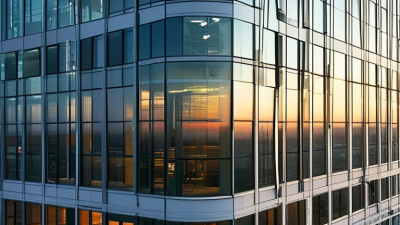
High ambient light can turn a display into a mirror. EN 12464-1:2021 recommends about 500 lux for many office reading and data-processing tasks. Near windows, illumination can exceed that level several times. An anti-glare, or AG, surface uses microscopic texture to scatter incoming light. This spreads a bright reflection across a wider area, rather than concentrating it near the viewer’s eyes. The image becomes easier to inspect during daytime work.

The effect is measurable. ASTM D1003 defines haze testing, while ISO 2813 evaluates surface gloss at controlled viewing angles. These methods help engineers compare AG finishes without relying only on visual impressions. In practical evaluations, a moderate haze level can reduce mirror-like highlights on charts, dashboards, and instrument screens. It cannot remove reflection completely. Strong sunlight still wins sometimes. The trade-off also deserves attention. Excessive texture may soften fine text, lower perceived black depth, and create a slightly grainy appearance on white backgrounds. That compromise is easy to underestimate. AG cover glass works best when surface roughness, coating durability, touch sensitivity, and optical clarity are tested together. A careful design should match the finish to the room, viewing distance, and expected lighting—not simply choose the strongest available haze.

Why Choose AG Cover Glass for Display Applications? — How AG Surfaces Reduce Reflections Under High-Ambient-Light Conditions
Representative, brand-neutral comparison of clear and anti-glare (AG) cover glass for display applications
Performance Dimension Clear Cover Glass AG Cover Glass Relevance Under High Ambient Light
Primary optical mechanism Smooth surface produces a concentrated, mirror-like specular reflection. Microscopic surface texture spreads reflected light over a wider angular range. The reflected image becomes less sharply defined, reducing mirror-like glare from lamps, windows, and bright fixtures.
Typical total reflectance of uncoated glass Approximately 8% at normal incidence, or about 4% per air–glass surface. Surface texture changes the distribution of reflected light; it does not automatically eliminate total reflectance. AG primarily reduces the intensity and clarity of the specular component rather than removing all reflected energy.
Surface gloss at 60° Typically above 100 gloss units for a highly smooth glass surface. Common AG finishes may range from approximately 20 to 80 gloss units, depending on surface texture. Lower gloss generally means less visually distracting highlight glare when the display is viewed at oblique angles.
Haze Usually around 1% to 2% for optically clear glass. Often approximately 3% to 15%, depending on the selected AG grade and texture. Higher haze can improve glare diffusion but may slightly soften fine image details or reduce black-level clarity.
Visible light transmittance Commonly about 89% to 92% for standard thin cover glass before additional coatings. Often about 88% to 91%, depending on haze, thickness, surface treatment, and anti-reflective coatings. AG can preserve strong daylight readability when its haze and transmission are matched to the display brightness and pixel density.
Performance at 500 lux indoor lighting Generally suitable, although overhead lights may appear as sharp bright spots. Reduces the sharpness of reflected light sources and improves visual comfort. Useful for offices, retail counters, classrooms, and indoor control panels with ceiling lighting.
Performance at 2,000 lux bright indoor or semi-outdoor lighting Reflected fixtures and windows can become prominent and interfere with content contrast. Disperses peak reflections and makes reflected objects less recognizable. AG is generally more effective when the display is viewed near bright windows or under high-intensity lighting.
Performance at 10,000 lux outdoor shade or bright daylight Strong specular reflections can dominate dark images and reduce perceived contrast. Reduces mirror-like reflections, but adequate display luminance and optical bonding are still important. AG should be combined with sufficient display brightness, a suitable black mask, and careful viewing-angle design.
Image sharpness Best preservation of fine text and pixel-level detail when reflections are controlled. Usually preserves detail well at low-to-moderate haze; excessive texture can create a mild soft-focus or sparkle effect. The optimum AG grade balances reflection diffusion against the required text clarity and pixel density.
Fingerprint visibility Fingerprints and oily marks are often highly visible because they create local changes in surface reflectance. Texture can make fingerprints less mirror-like, although it does not replace an oleophobic or easy-clean coating. AG is beneficial for touch displays, but a separate easy-clean treatment may be required for frequent handling.
Recommended application environments Indoor displays with controlled lighting, high-detail imaging, or applications requiring maximum optical clarity. Public information displays, industrial HMIs, vehicle displays, retail equipment, education systems, and touchscreens near windows. Selection should be based on measured haze, gloss, transmission, viewing distance, ambient illuminance, and display luminance.
Key design trade-off Higher potential clarity, but stronger and more recognizable reflections. Lower peak glare and improved reflected-image diffusion, with a possible increase in haze or sparkle. AG is most effective when the surface texture is specified for the actual lighting environment rather than selected only by appearance.
Relevant test methods Gloss: ISO 2813 or ASTM D523; haze and luminous transmittance: ASTM D1003; solar and visible optical properties: ISO 9050. Use the same test method, incident angle, sample thickness, and lighting geometry when comparing cover-glass options.
Technical note: Values shown are representative engineering ranges for common glass constructions, not guaranteed product specifications. Actual results vary with glass thickness, surface texture, coatings, measurement geometry, display brightness, viewing angle, and ambient-light direction.

Optical Quality: Measuring Haze and Transmittance with ASTM D1003

Why Choose AG Cover Glass for Display Applications?
Optical Quality: Measuring Haze and Transmittance with ASTM D1003

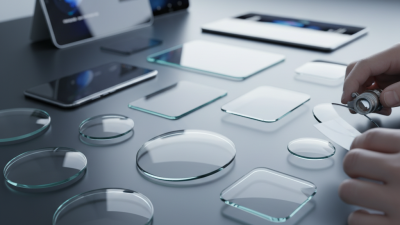
AG cover glass uses a fine surface texture to reduce mirror-like reflections. This texture can improve readability under office lights or direct sunlight. It also scatters transmitted light, so optical quality needs measured evidence. ASTM D1003 offers a practical framework for evaluating haze and luminous transmittance. Haze describes the percentage of transmitted light scattered away from the intended direction. Transmittance shows how much visible light passes through the glass.

In laboratory testing, the sample should be cleaned carefully before measurement. Fingerprints can raise haze readings. Calibration matters. An integrating-sphere instrument measures the relevant light paths, while the operator records surface condition and sample orientation. For AG glass, testing both orientations can show whether the treated side changes the result. Results should include haze, transmittance, thickness, and measurement conditions. For glass applications, confirm the laboratory’s scope and fixture suitability before applying ASTM D1003 directly.

Choosing glass only by appearance is risky. A panel may look pleasantly matte yet lose too much brightness. Another may transmit more light but create distracting glare. Visual checks are useful, but they cannot replace controlled measurements. I would not treat one attractive number as a final answer. ASTM D1003 also cannot predict every viewing condition. Viewing angle, touch performance, durability, and outdoor contrast deserve additional testing. That limitation is easy to overlook.

Surface Durability: Evaluating 6H–9H Pencil Hardness Under ASTM D3363

Why Choose AG Cover Glass for Display Applications?

Surface Durability: Evaluating 6H–9H Pencil Hardness Under ASTM D3363

Anti-glare (AG) cover glass reduces distracting reflections in bright offices, vehicles, and outdoor kiosks. Its surface texture also changes how durability should be evaluated. A pencil hardness result from 6H to 9H can indicate strong resistance to visible scratching under controlled conditions. It does not mean the glass is scratch-proof. That distinction matters during product design and customer testing.

ASTM D3363 uses pencils with defined hardness grades, a specified load, and a controlled surface stroke. Technicians inspect the track for gouging or permanent marks. Results can shift with pencil condition, cleaning quality, viewing angle, and operator pressure. AG coatings may also show slight texture differences across one panel. In practice, a 9H result is useful evidence, but it should not replace impact, abrasion, chemical, or repeated-touch testing. One test cannot represent every daily failure.

Tips: Clean the panel before testing. Use fresh, verified pencils. Record load, angle, stroke direction, and lighting. Test several areas, including edges and the center. Compare samples after cleaning, because residue can resemble a scratch. Small procedural errors matter. I would also photograph each track and repeat questionable readings. A single impressive number may hide uneven performance.

Application Fit: AG Cover Glass for Phones, Monitors, Vehicles, and Kiosks

Why Choose AG Cover Glass for Display Applications?

Application fit matters more than a glossy specification sheet. IDC’s Worldwide Quarterly Mobile Phone Tracker reported 1.24 billion smartphone shipments in 2024. On phones, anti-glare (AG) cover glass can reduce harsh reflections from windows and ceiling lights. Fingerprints remain visible, however. Surface texture, haze, and touch sensitivity must be balanced through real-use testing. A reading app may feel comfortable indoors, yet appear slightly softer outdoors. That trade-off deserves attention.

For monitors, AG glass supports long desk sessions under office lighting. The glass scatters reflected light instead of returning a sharp lamp image. Excessive haze can weaken text contrast, especially on fine interfaces. This is where measurement matters. Compare gloss, haze, transmittance, and color shift at several viewing angles. Do not judge performance under one showroom lamp. The display industry often reports luminance and contrast, but user comfort also depends on room geometry.

Vehicles create a harsher application. The International Energy Agency’s Global EV Outlook 2024 reported more than 17 million electric cars sold worldwide in 2024. Their larger central displays face sunlight, dust, gloves, and rapid temperature changes. AG cover glass can improve readability, but coatings must withstand cleaning and vibration. Kiosks need similar durability near entrances, where fingerprints and daylight compete. Grand View Research identifies self-service kiosk expansion across retail, healthcare, and transportation. Still, AG is not automatically better. A rough finish may collect dirt, scatter pixels, or reduce perceived sharpness. Engineers should test the complete display assembly, not glass alone.